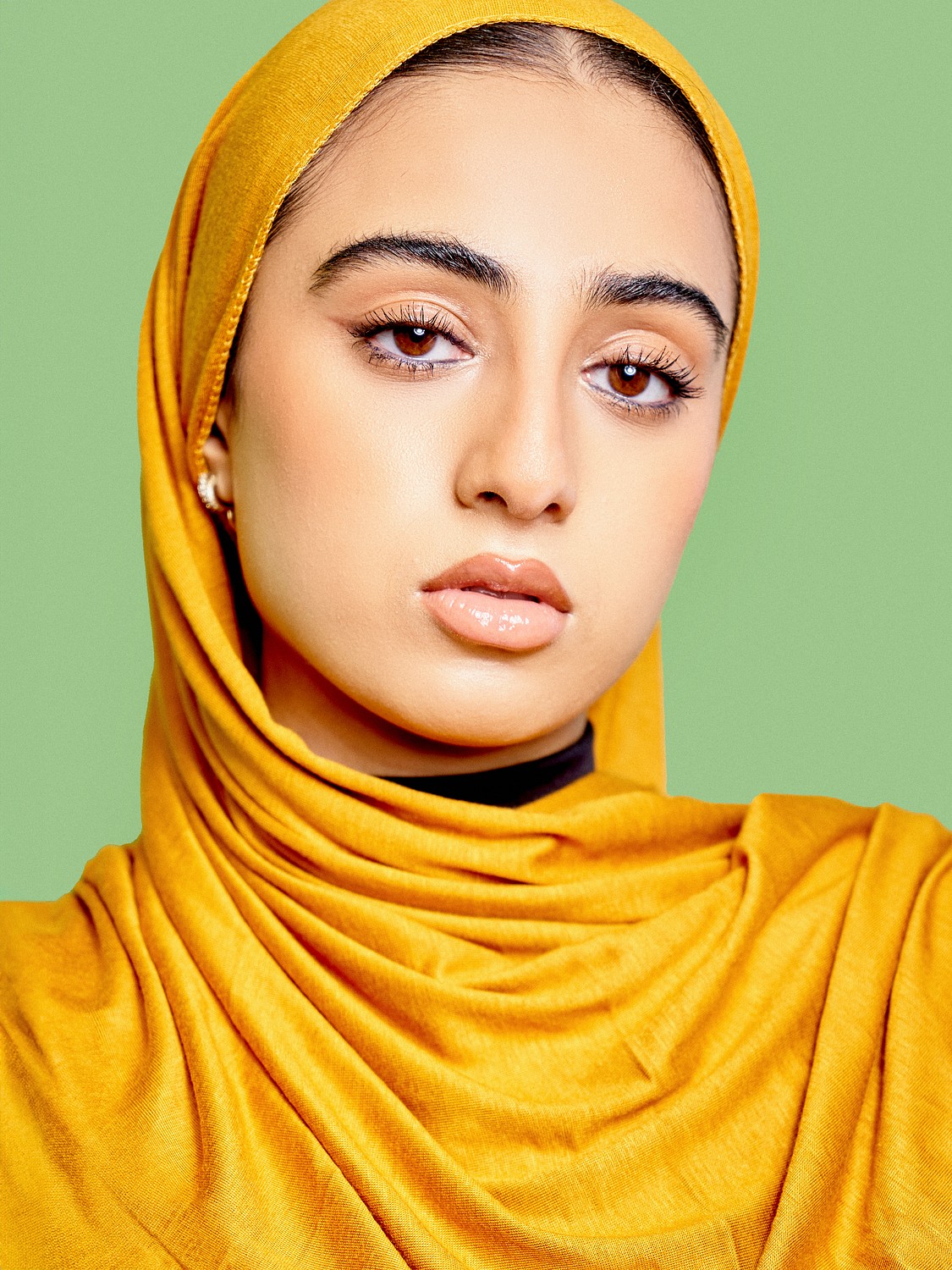
How to Become a Mature Model in the UK
Blog · Booked
How to Become a Mature Model in the UK
The Diversity Agency is an independent London model agency, founded in 2016. Our mature board — models from their forties into their eighties — is one of the busiest we run, and one of the least understood by the people who should be applying to it. This is the honest guide, written from the booker's desk.
The single most common thing we hear from people over fifty is that they assumed they had missed it. That modelling was something you started at seventeen and were finished with by twenty-five. That belief costs the industry a great many good faces, because the commercial reality in Britain now runs almost exactly the other way.
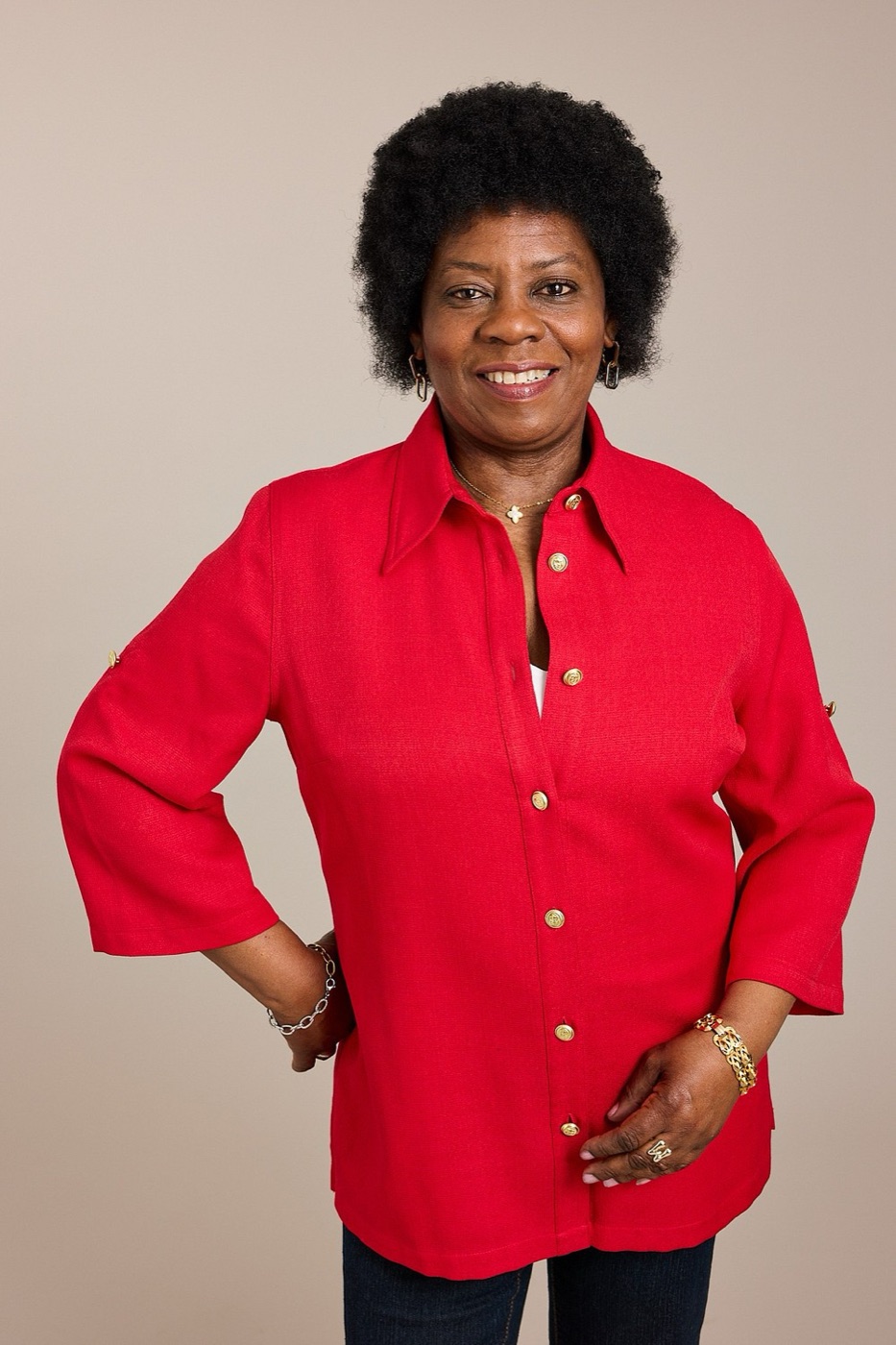
What counts as a mature model in the UK?
There is no fixed line, and any agency claiming one is simplifying. In practice UK mature boards — sometimes called classic boards — start somewhere around forty and run upward with no ceiling. We have models working in their eighties.
The categories overlap, which confuses people. Someone of forty-two is often booked as a "parent" in family and lifestyle work. Someone of sixty is booked for financial services, healthcare, travel and retail. Someone of seventy-five is booked because most brands still cannot find anyone of seventy-five who is comfortable on a set.
What matters is not the number on your passport. It is your playing age — the range a client believes when they look at the pictures — and whether you can do the job.
Why the demand is growing
Three things happened at once.
The money moved. The categories with the most spending power in Britain — pensions, insurance, healthcare, home, travel, automotive, garden, banking — are aimed at people over fifty. Brands worked out that showing only twenty-five-year-olds to a sixty-year-old customer was costing them.
Casting got more honest. "Real people" briefs are now the norm in commercial advertising rather than the exception. Lines, grey hair and lived-in faces read as trustworthy in a way that heavily retouched youth does not.
The supply is thin. This is the part worth understanding if you are considering applying. Far fewer people over fifty put themselves forward, so the competition on a mature board is a fraction of what it is on a mainboard for twenty-two-year-olds. The work is not easier to get. There are simply fewer people going for it.
What agencies actually look for
Not what most people expect.
- A face that reads as a real person. Not "distinguished", not "still got it". Someone a viewer would believe as a customer, a colleague, a parent, a neighbour.
- Grooming that is yours. If your hair is grey, we want the grey. Dyeing it to look younger removes exactly the thing that makes you castable — and there are far more briefs asking for authentic silver than for a fifty-five-year-old trying to pass for forty.
- Comfort on camera. This can be learned and it is mostly about not being self-conscious. It is the single biggest differentiator we see.
- Reliability. Turning up early, prepared, and being easy to have on a long day. Mature models are, as a group, notably better at this than the average twenty-year-old, and clients notice.
- Range in your look. Can you read as smart-professional and also as relaxed-at-home? Two very different sets of briefs.
Height and size matter far less on a mature board than on a fashion board. Commercial casting is about being believable, not about sample sizes. Our guide on what modelling agencies look for covers the general principles.
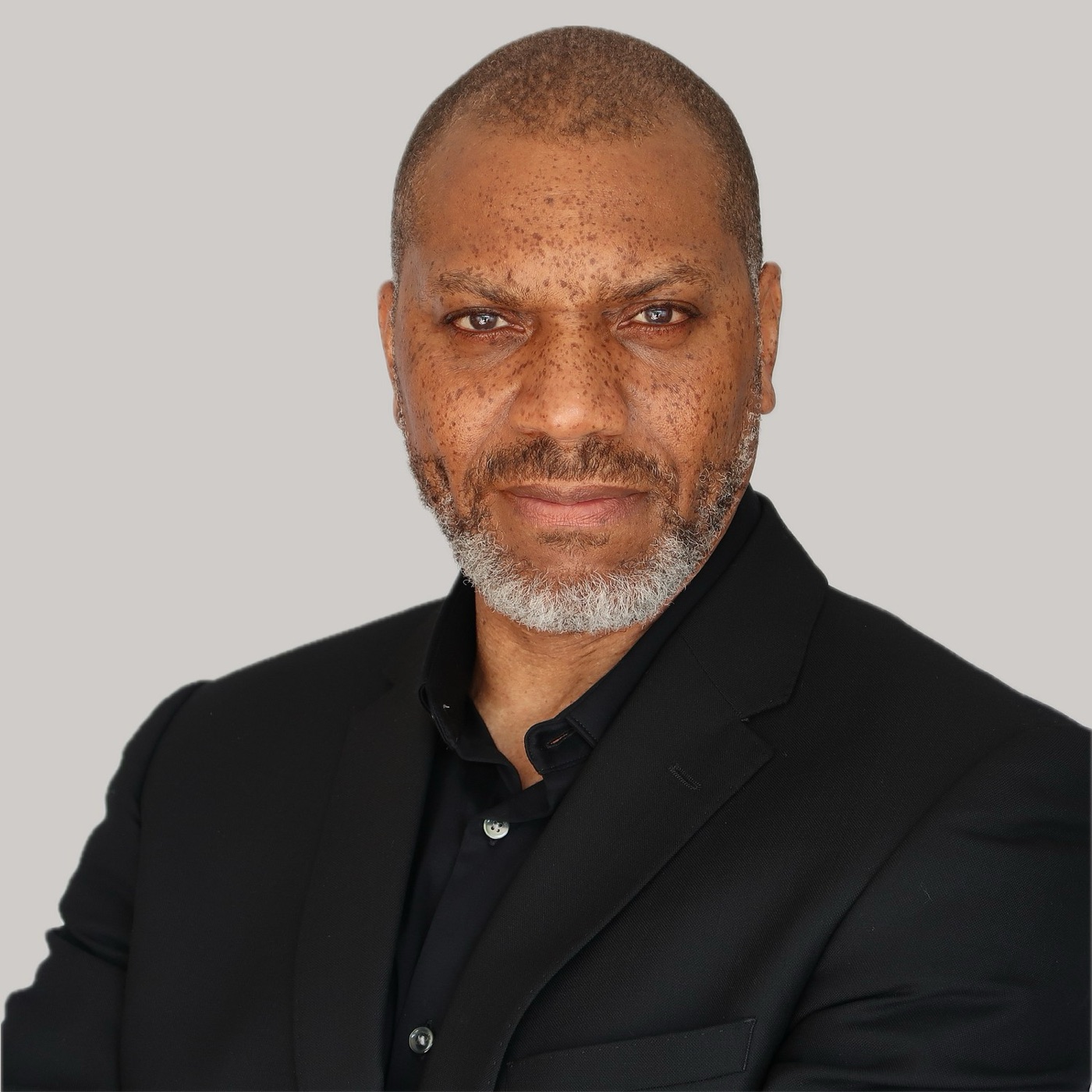
The work that actually books
Forget the runway. Mature work in the UK is overwhelmingly commercial, and it breaks down roughly like this.
- Advertising and lifestyle. The largest slice. Banks, insurers, supermarkets, telecoms, healthcare, travel, energy, charity. Print, digital, out-of-home and film.
- E-commerce. Retailers increasingly shoot their own ranges on models the age of the customer buying them. Steady, repeatable, well paid for the day.
- Pharmaceutical and healthcare. A large and often overlooked category, frequently with restricted usage that suits people who do not want their face on a billboard.
- Corporate and internal. Annual reports, recruitment campaigns, training films.
- Family and multigenerational. Grandparent roles, and increasingly parents of adult children.
- Hands and hair. Specialist close-up work where mature hands or silver hair are specifically requested.
Editorial and high fashion do book older models, and the visibility is good, but it is a small fraction of the actual paid work. If your plan depends on Vogue, plan differently.
What it pays
The same as any other commercial model, because it is the same work. UK day rates split into recognisable tiers — e-commerce roughly £150 to £400, commercial and lifestyle £400 to £1,500, beauty and luxury higher again — with usage priced on top according to where the images run, in which territories and for how long.
Usage is the part people miss. A day rate pays for your time; the usage licence pays for the right to use your face to sell something, and on a national campaign it is frequently the larger number. We set the whole thing out in how much UK models get paid.
What we will not do is pretend this is a salary. Work is irregular, particularly in the first year, and anyone promising you otherwise is selling something.
What it costs you — and what it should never cost
Nothing to be represented. A legitimate UK agency charges no joining fee, no registration fee and no compulsory photography package. Under the Conduct of Employment Agencies and Employment Businesses Regulations 2003, an agency may charge a model only "a charge or commission payable out of the work-seeker's earnings" — commission on work it has found you, and nothing else.
This matters especially at this age, because over-fifties are targeted heavily by outfits selling portfolio packages dressed up as representation. If money is being asked for upfront, it is not an agency. Our guide on how to spot a modelling scam goes through the warning signs.
Your genuine costs are small: simple digitals to apply with, travel to castings, and your own grooming.
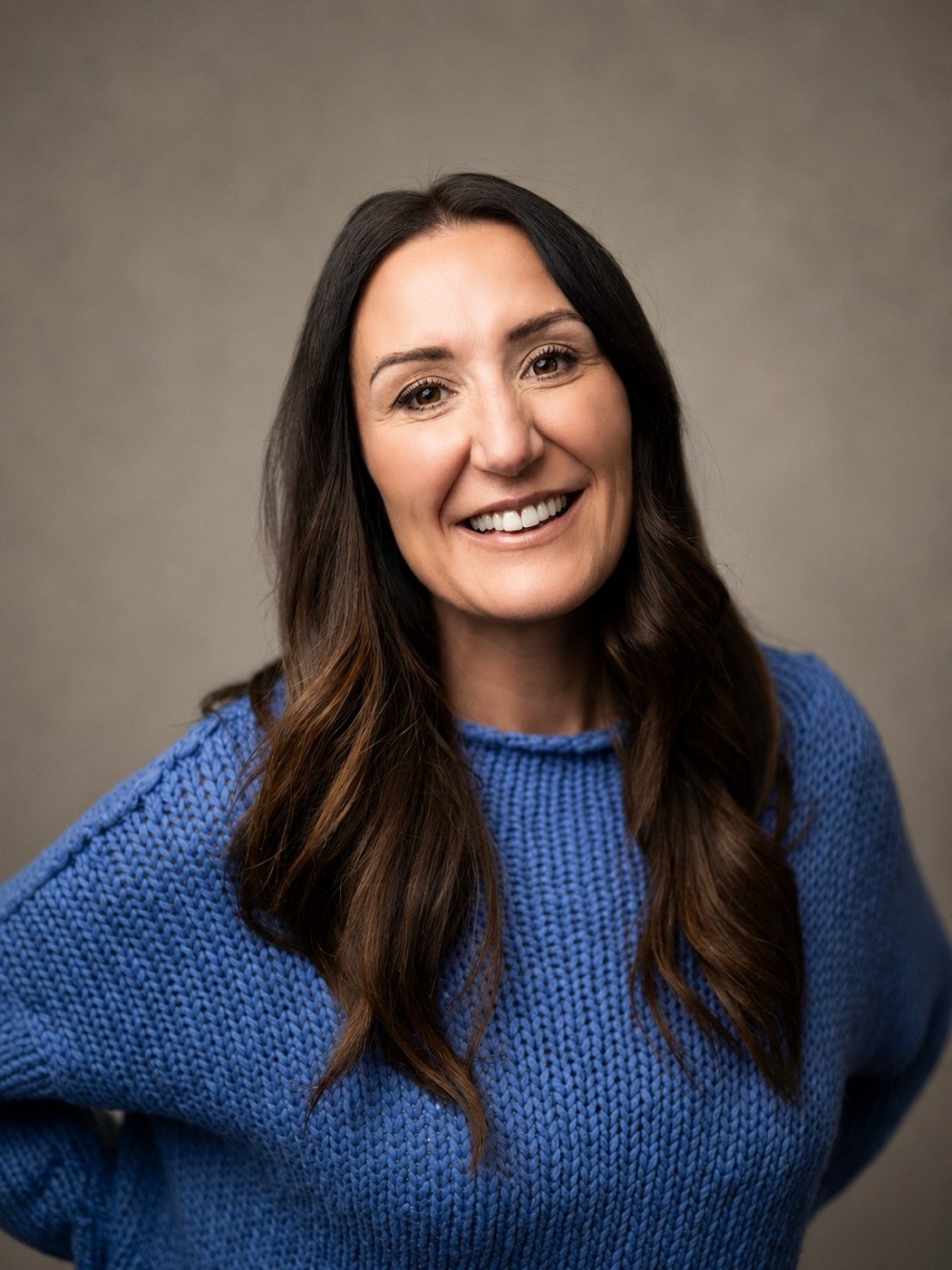
How to apply
You do not need professional photographs. You need clear, honest digitals, and they take twenty minutes.
- Natural daylight, indoors near a window or outside on an overcast day. No flash, no filters, no beauty mode.
- Plain background — a blank wall will do.
- Plain, close-fitting clothes. A plain top and jeans. Nothing baggy, no busy patterns.
- Hair down and natural, minimal or no make-up. We need to see your actual face and your actual hair.
- Four shots: head and shoulders straight on, head and shoulders in profile, full length front, full length side. Neutral expression in two, a natural smile in the others.
- Include your height, your location, and your age.
Then apply at thediversity.agency/apply. There is more detail on the process in how to apply to a UK modelling agency.
Applications are read within a week or two. Silence usually means no for now rather than no forever — agencies sign against what clients are currently booking, and mature briefs move in waves.
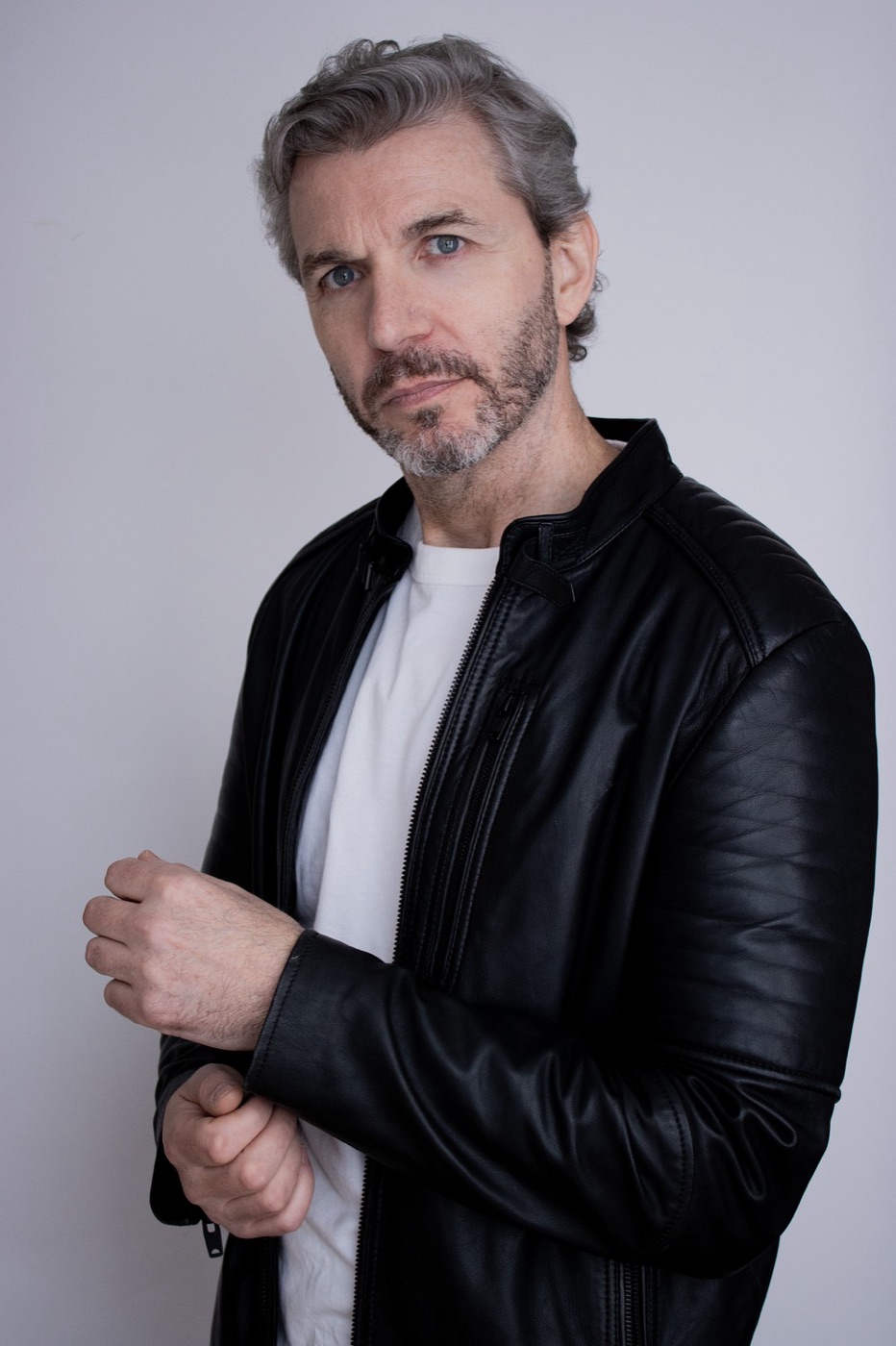
Starting in your fifties, sixties or seventies
Entirely normal, and more common every year. Most of the people on our mature board did not model when they were young. They came from other careers, often after a change — retirement, redundancy, children leaving, a divorce, or simply someone telling them enough times that they should.
The advantages of starting later are real. You are not intimidated by a room. You can hold a conversation with a client. You turn up on time. You do not need managing. In commercial casting those things are worth a great deal, and they are exactly what a twenty-year-old cannot offer.
The honest disadvantages: it takes time to build a book, the work is irregular, and you will be turned down more than you are booked. That is true at every age.
Mature men are under-supplied, not over-subscribed
Worth saying separately, because men over fifty consistently assume the industry is not interested in them.
The opposite is true. Briefs for older men arrive constantly — banking, insurance, DIY and trade, automotive, healthcare, golf and outdoor, whisky and premium drinks, and the entire category of "reassuring man who knows what he is talking about". The supply of men who will actually put themselves forward is thin, and thinner still for men over sixty-five.
The grooming advice is the same and men get it wrong more often: keep the grey, keep the beard if you have one, and do not dye anything. A brief asking for a distinguished sixty-year-old is asking for a sixty-year-old.
What happens once you are signed
The first three months are quieter than most people expect, and that is normal rather than a warning sign.
The agency will get your materials right first — digitals shot properly, measurements taken, your profile built and put live on the board. Then submissions begin, and the ratio is worth understanding before it frustrates you: submissions vastly outnumber castings, castings outnumber options, and options outnumber confirmed bookings. That is the shape of the job for every working model at every age.
What you should see inside three months is straightforward — you are being submitted, briefs are reaching you with enough notice, and someone answers the phone. Judging representation on six weeks tells you nothing.
Most mature models build steadily rather than suddenly. A first year with a handful of days is a normal first year, and re-bookings matter far more than any single job: a client who has had a good day with you will ask for you again, and that is where the income actually comes from.
Common questions
What age is a mature model in the UK?
UK mature or classic boards generally start around forty and continue with no upper limit — we represent models working into their eighties. There is no fixed industry definition, and what matters more than your actual age is your playing age, meaning the range a client believes when they look at your pictures. Commercial casting is about being believable as a particular person, not about hitting an age bracket.
Can I start modelling at 50 or 60 with no experience?
Yes, and most models on our mature board did exactly that. The majority came to it from other careers rather than modelling when they were younger. What agencies look for at this stage is a face that reads as a real person, comfort in front of a camera, and reliability on a shoot day — none of which require prior experience. Competition is also considerably lighter than on younger boards, because far fewer people apply.
Should I dye my grey hair to model?
No. Grey and silver hair is one of the most requested things on a mature board, and dyeing it removes the exact quality that makes you castable. There are far more briefs asking for authentic silver hair than for someone in their fifties trying to read as forty. The same applies to lines and to skin — brands casting mature models are casting for realism, and retouching that away defeats the booking.
What kind of work do mature models actually get in the UK?
Overwhelmingly commercial: advertising and lifestyle for banks, insurers, supermarkets, telecoms, healthcare, travel and energy; e-commerce for retailers shooting ranges on the age of customer who buys them; pharmaceutical and healthcare; corporate and internal films; and family or multigenerational work. Editorial and high fashion do book older models and the visibility is good, but it is a small share of the paid work.
How much do mature models get paid in the UK?
The same as any other commercial model, because it is the same work. Day rates run roughly £150 to £400 for e-commerce and £400 to £1,500 for commercial and lifestyle, with usage priced separately on top according to media, territory and duration. Usage is often the larger figure on a national campaign. Work is irregular, particularly in the first year, so it should not be treated as a salary.
Do I need a professional portfolio to apply?
No. Clear digitals taken on a phone are what agencies actually want to see first — natural daylight, plain background, plain close-fitting clothes, hair natural and minimal make-up, four shots covering head and shoulders and full length. Professional photographs can actually hinder an application, because heavy styling and retouching hide what you genuinely look like. Never pay an agency for a portfolio as a condition of being represented.
Is there an upper age limit for modelling?
No. We represent models working into their eighties, and demand for genuinely older faces currently outstrips supply because so few people put themselves forward. Brands in healthcare, financial services, travel and retail regularly need models in their seventies and eighties and struggle to cast them. If you are wondering whether you are too old, the honest answer is that you are more likely to be under-supplied than over-age.
Applying to the mature board
You can see the board at thediversity.agency/mature, and apply directly at thediversity.agency/apply. Send honest digitals, your height, your location and your age, and we will come back to you.
Related reading: How to become a model in the UK · Getting into modelling with no experience · For clients: hiring mature models