Hiring Plus-Size, Mature and Modest Models: A Client's Guide
Blog · Booked
Hiring Plus-Size, Mature and Modest Models: A Client's Guide
The Diversity Agency is an independent London model agency, founded in 2016. Three of our busiest boards are curve, classic and modest — and they are also the three where briefs most often arrive with a gap in them. Not a lack of intent, just a set of practical things nobody mentioned. This is the guide for the person doing the booking.
These three boards get grouped together here for one reason: in each case the casting is the easy part, and the shoot day is where it goes right or wrong. Book a size 20 model and arrive with a rail that stops at 16, and you have wasted a day and made someone feel awful. The same goes for a mature model whose hair nobody can style, or a hijab-wearing model whose wardrobe nobody discussed.
None of it is difficult. It just has to happen before the day.
Plus-size and curve
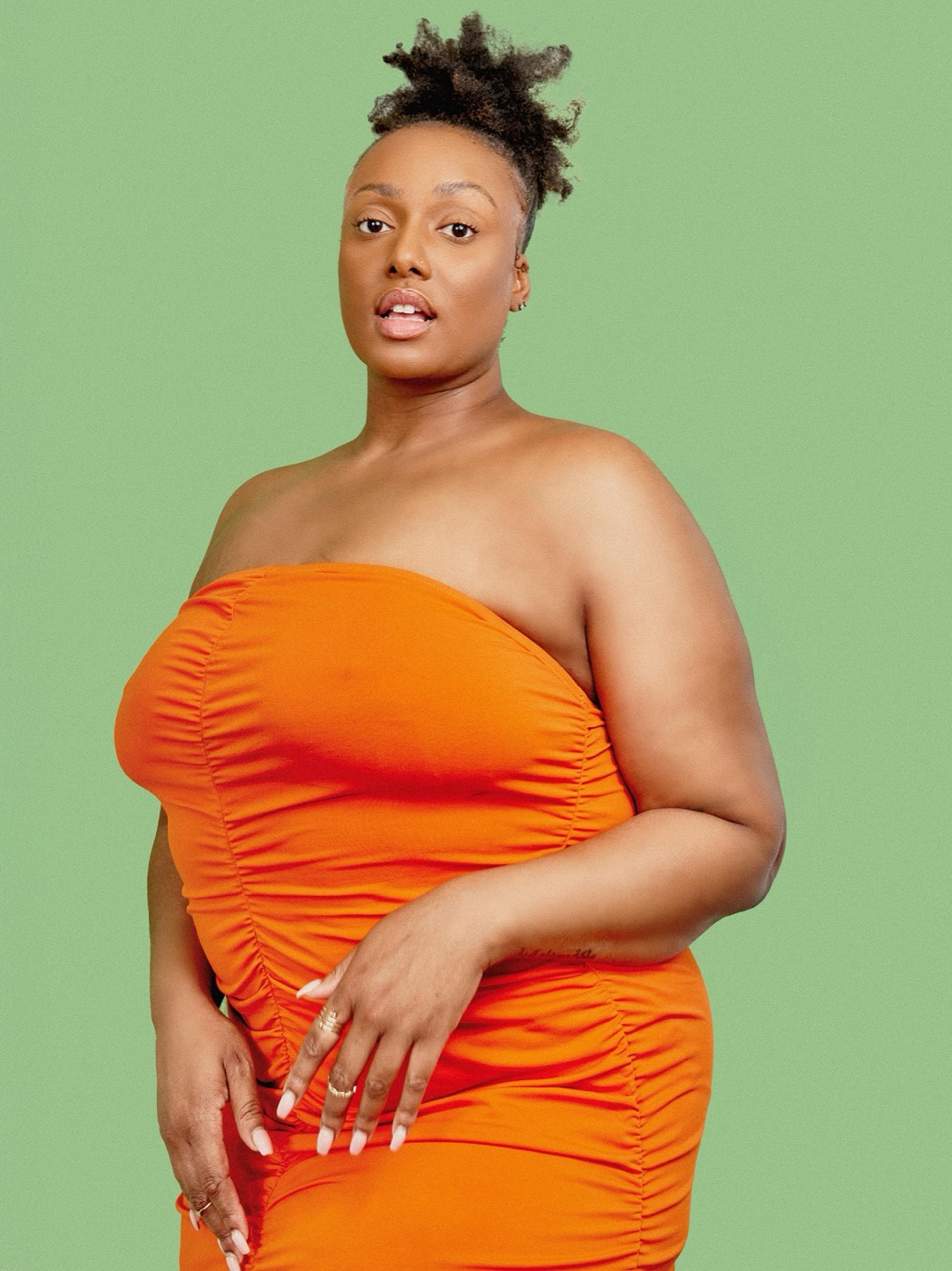
Terminology. "Curve" and "plus-size" are both used in the UK industry, and models differ on which they prefer. Neither is rude. If you are writing copy about the campaign, ask.
The size range is wider than most briefs assume. Curve boards in the UK broadly run from around a size 14 upwards, and a brief saying "plus size" without a number can mean a 14 to one person and a 24 to another. Give the size you are actually shooting. If your product range goes to a 28, cast to it — the most common complaint from customers about plus-size ranges is that the imagery only shows the bottom of the range.
The sample problem. This is the one that ruins shoot days. If you are shooting garments, confirm what sizes you will physically have on the rail before you confirm the model. A booking built around a size 22 model and a rail of size 16 samples ends in a corridor conversation nobody enjoys. If samples are limited, say so and we will cast to what you have.
Fit and posing. Experienced curve models know how to work with a garment that is meant to fit. What they cannot do is make a badly-fitting sample look right, and clipping a too-small dress at the back is visible in the final image.
Retouching. Do not slim the model you booked. It happens more than it should, usually from a retoucher applying default habits. If you cast a size 20 because you sell to size 20, and the final image shows a size 14, you have paid for representation and shipped the opposite — and your customer will notice before you do.
Mature and classic
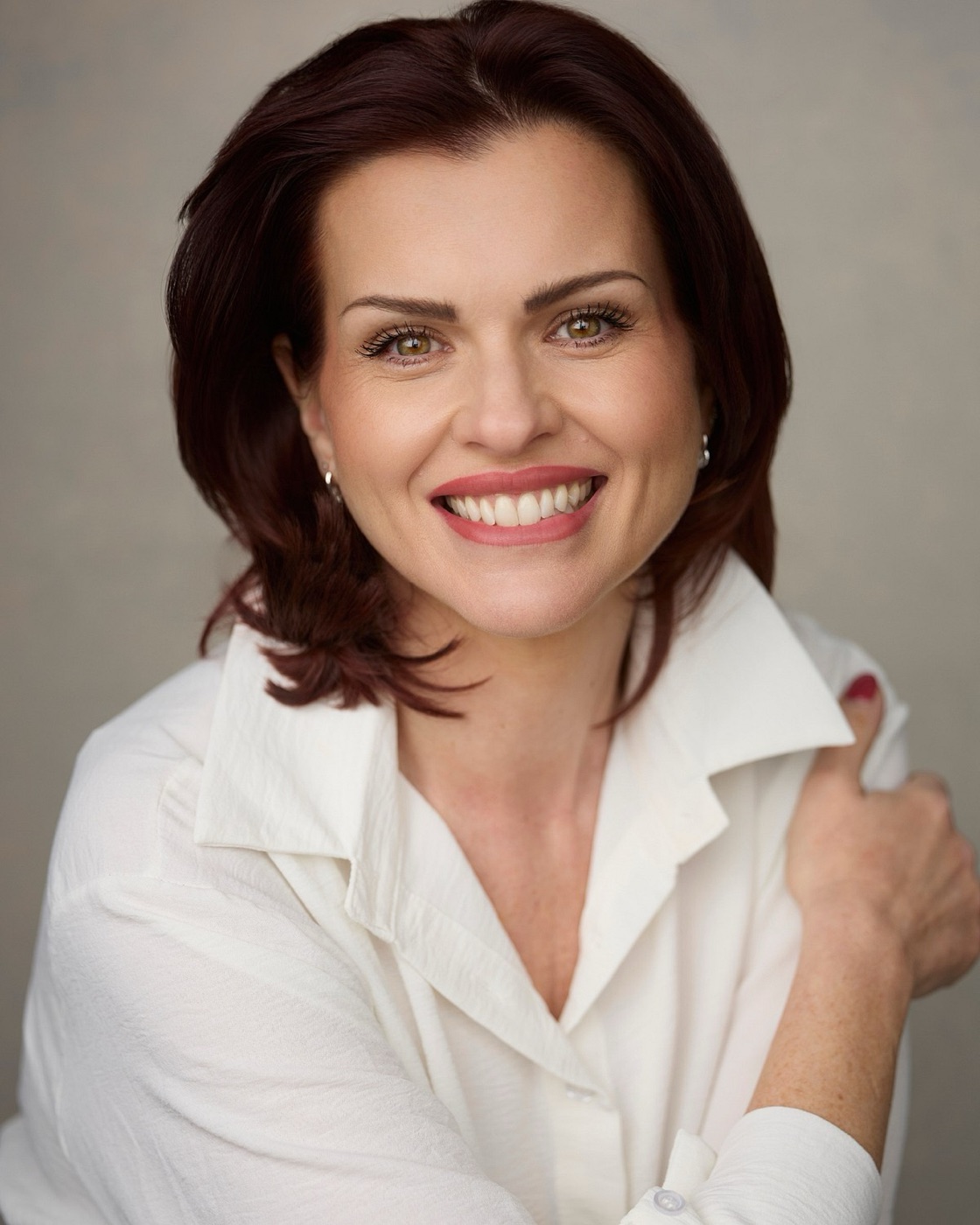
The demand is real and rising. Financial services, healthcare, travel, home, insurance, retail — the categories with the most spending power are increasingly casting the customers who actually have it. Our classic board is one of the busiest we run.
Cast them in ordinary roles. The most common failure is casting older models only for things that are about being older. A woman of 65 can be a customer, a colleague, a professional, a friend — not only a pension advert or a mobility product. If your brief only reaches for older talent when the subject is age, that is worth noticing.
Do not de-age them in post. If you have cast for silver hair and laughter lines, keep them. Smoothing the face of a 68-year-old model until she reads as 50 defeats the entire point of the booking, and it looks strange.
Hair and make-up. Grey and silver hair behaves differently and needs a stylist who understands that. Mature skin needs a different make-up approach, and heavy coverage tends to age rather than flatter. Brief the team.
Practicalities. Long days on hard studio floors are harder on some bodies than others. Somewhere to sit between set-ups, sensible break scheduling and realistic call times are small courtesies that produce better work.
Modest and hijab
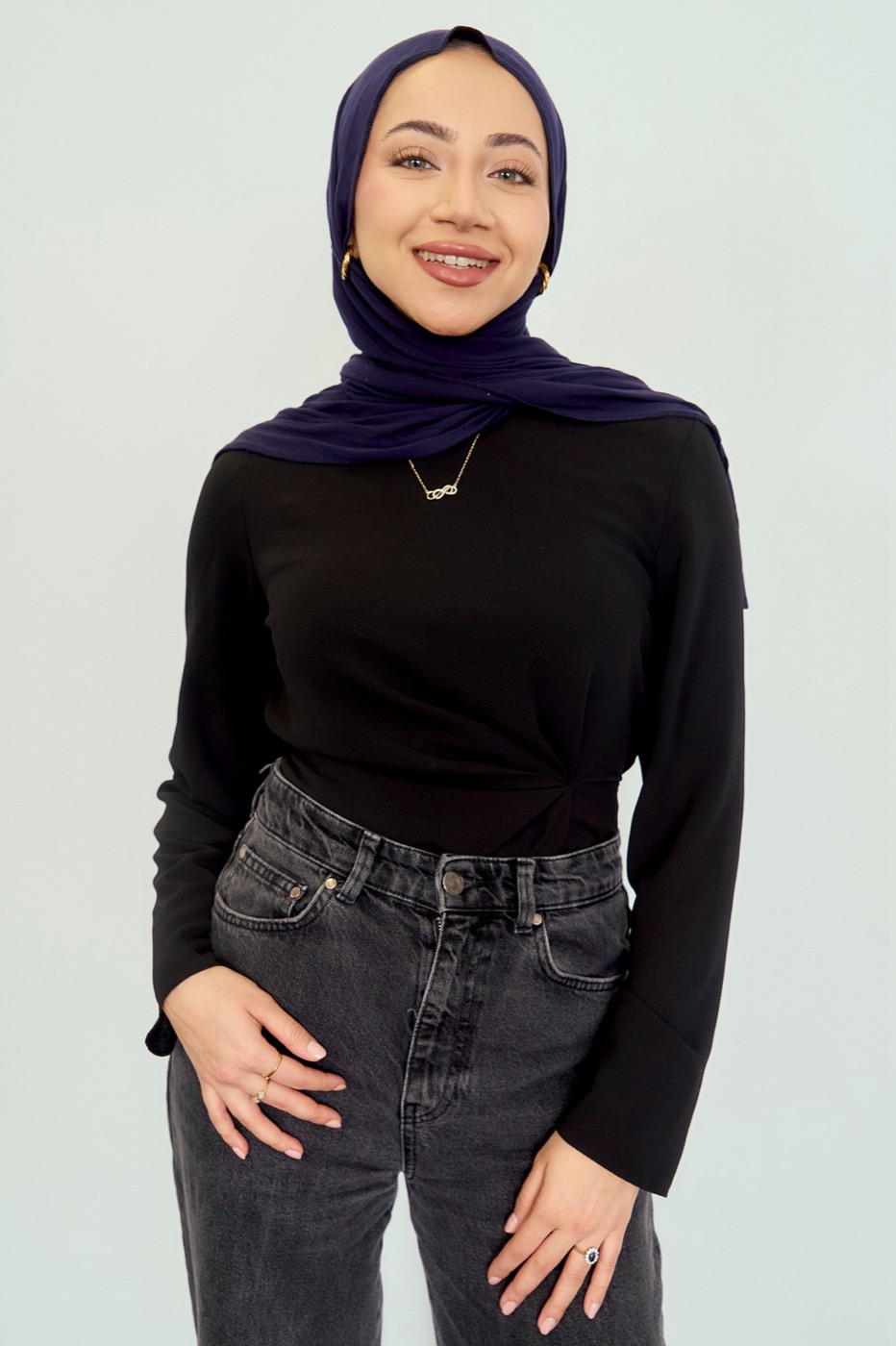
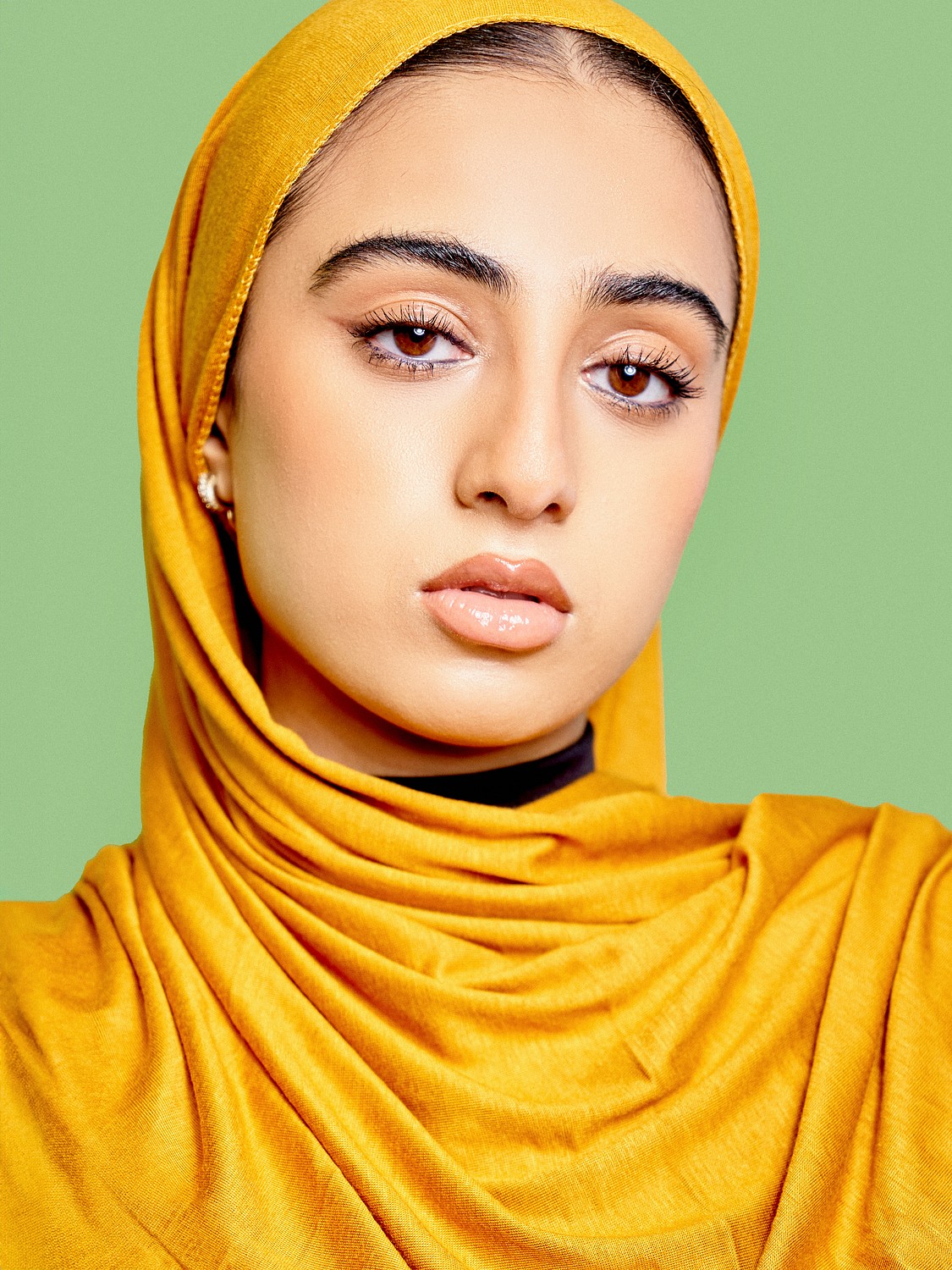
Modest is not one thing. It covers a range of practice, and it is a mistake to assume. Some models wear hijab and will not show hair, forearms or lower legs. Some will show forearms but not hair. Some wear modest dress without a headscarf. Some will not be photographed with male models, or will not do close physical contact. Some will not work with male crew in certain circumstances.
Every one of those is easy to plan around and nearly impossible to discover on the day. Ask before booking. The agency will have it on file.
Wardrobe is where it goes wrong. Discuss the styling before the shoot rather than in front of a rail. If your garments are short-sleeved, the question is whether layering is acceptable and who is providing it. If you need a specific colour of hijab to match the range, agree who supplies it. Many models bring their own and prefer to.
The changing area. A private space to change, not a corner with a rail pulled across. This is basic on any shoot and it matters more here.
Do not treat it as a costume. Asking a model to remove her hijab "just for one shot" is not a small ask, and the answer is no. Equally, casting a non-hijab-wearing model and putting a headscarf on her for a campaign aimed at Muslim customers is the kind of decision that gets noticed publicly and rightly.
Ramadan. If you are shooting during Ramadan, ask about fasting. It affects call times, break scheduling, catering and how long a day should reasonably run.
Booking more than one of these boards on the same shoot
Plenty of campaigns cast across all three at once — a size 18 model, a woman in her sixties and a hijab-wearing model in the same set of images. It works well and it is usually the right call, because a cast spanning size, age and faith reads as a real group rather than as three separate statements.
It does need one extra layer of planning. Your wardrobe now has to span a wider size range and offer modest options. Your hair and make-up team now needs to handle textured hair, grey hair and working around a hijab, which is three different skill sets rather than one. And your schedule needs to account for the fact that a model who is changing into layered styling takes longer than one pulling on a jumper.
Build fifteen minutes into each changeover and the day runs. Skip it and you lose an hour by lunchtime.
What models ask us before accepting a booking
It is worth knowing what gets checked on the other side, because the bookings that go smoothly are the ones where the brief answered these before they were asked.
- What sizes are actually on the rail? Asked by nearly every curve model, for good reason.
- Who is doing hair and make-up, and have they worked with my hair type before? A polite question with a lot behind it.
- Is there a private space to change?
- What is the usage, and for how long? Models care about this as much as clients do; it is their face.
- What are the call time and the wrap time, honestly? Not the optimistic version on the call sheet.
- Will the images be retouched, and how much? Increasingly common, and a fair thing to ask.
A brief that answers those unprompted gets you a faster yes from the people you actually want, and it signals that the shoot has been thought through. That reputation travels — models talk to each other far more than clients assume.
What these three have in common
The pattern is the same in all three cases: a short conversation before the booking prevents nearly every problem.
Four questions, sent with the brief, solve most of it:
- What sizes will physically be on the rail?
- Can the hair and make-up team work across all hair types, textures and skin tones — and have they been briefed?
- Are there any wardrobe, contact or scheduling requirements we should know about for this model?
- What is the retouching brief, and does it say what must not be changed?
An agency that knows its roster can answer the third one before you have finished asking. That is a large part of what booking through one is for.
Budget and usage are the same as any other booking
Worth saying plainly, because it occasionally comes up: rates for curve, classic and modest work are the same commercial rates as any other booking. There is no discount for casting inclusively, and it would be a strange thing to expect.
Quotes are built the same way as any other booking: a day rate for the type of work, the individual model's experience and demand, then usage priced on top according to where the images run, in which territories and for how long, plus the agency fee. There is no published UK rate card for commercial modelling — rates are set per job — so send the brief and the usage and you will get a firm figure back. We cover how that works in our guide to what UK models get paid.
How to brief us
Send the shoot dates and location, what you are shooting, the sizes physically available, the full usage, your budget range, and a description of who you are after — including what you do not want. If the shoot involves modest talent, say so up front so we can check requirements before we send options.
You will get matched options with firm quotes, usually the same day.
Common questions
What size is a plus-size model in the UK?
UK curve and plus-size boards broadly start around a size 14 and run upwards, which is why "plus size" on its own is an unhelpful brief — it can mean a 14 to one person and a 24 to another. Give the size you are actually shooting, and cast to the top of your product range rather than the bottom. The most common customer complaint about plus-size ranges is that the imagery only ever shows the smallest sizes in the range.
What should I check before booking a plus-size model?
What sizes will physically be on the rail on the day. A booking built around a size 22 model and a rail of size 16 samples ends the shoot before it starts. Confirm sample availability before you confirm the model, and if your samples are limited, say so and the agency will cast to what you actually have. Also brief the retoucher that body shape is not to be altered.
Is there demand for models over 50 in the UK?
Yes, and it is growing. Financial services, healthcare, travel, home, insurance and retail are all casting older talent more heavily, because that is where a great deal of spending power sits. The point most briefs miss is casting older models in ordinary roles — as customers, colleagues and professionals — rather than only when the subject of the advert is age itself.
What do I need to ask a modest or hijab-wearing model before booking?
Modest practice varies, so ask rather than assume: what she does and does not show, whether she will be photographed with male models or in close contact, whether there are considerations around male crew, and what the wardrobe needs to accommodate. Agree who is supplying hijabs if a specific colour is needed. All of it is easy to plan for in advance and nearly impossible to solve on the day.
Can I ask a model to remove her hijab for one shot?
No. It is not a styling choice or a costume, and it is not a small ask. Equally, casting a model who does not wear hijab and putting a headscarf on her for a campaign aimed at Muslim customers is a decision that tends to get noticed publicly, and rightly so. If the campaign needs modest talent, cast modest talent.
Does it cost more to cast inclusively?
No. Curve, classic and modest bookings are quoted exactly like any other commercial booking — a day rate for the type of work, the individual model's experience and demand, the usage, and the agency fee. There is no premium for casting inclusively and no discount either. It is simply a booking, priced the same way as every other booking on the shoot.
What should the retouching brief say?
That skin tone is not adjusted, body shape is not altered, and distinguishing features stay — including grey hair, laughter lines, stretch marks, scarring and vitiligo. Retouchers apply default habits unless told otherwise, which is how a size 20 model ends up looking like a size 14 and a 68-year-old ends up looking 50. If you cast someone for who they are, say so in writing to the person editing the pictures.
Booking with us
You can see the boards directly — curve, classic and modest — or send us the brief and we will come back with options and firm quotes. If you are not sure what you need yet, get in touch and talk it through with us first.
Related reading: How to become a plus-size or curve model · How to become a modest or hijab model
For clients: How to Cast a Diverse Campaign Without Getting It Wrong · What Does It Cost to Hire a Model in the UK? · Modelling agencies in London
You might like
View all →