How to Cast a Diverse Campaign Without Getting It Wrong
Blog · Booked
How to Cast a Diverse Campaign Without Getting It Wrong
The Diversity Agency is an independent London model agency, founded in 2016 as BAME Models and renamed after 2020. Diverse casting is not a side project for us — it is the entire reason the agency exists. We read briefs asking for it every week, and most of them are written in a way that makes it harder to deliver. This is what we would tell you before you send yours.
Almost every brand brief we receive now asks for a diverse cast. Far fewer are set up to produce one. The gap is rarely about intent. It is about how the brief is written, how the shortlist is assembled, and whether anyone has thought about the shoot day itself.
The failures are predictable, which is the good news, because predictable things can be designed out.
The most common mistake: diversity as a slot
Here is the brief we see most often. Five roles. Four are described without any reference to ethnicity — "mum, 30s", "office worker, 40s", "young professional". The fifth says "BAME, 20s".
That brief will produce a cast where four people were chosen as people and one person was chosen as a category. Everyone can see it in the final images, including the audience you were hoping to reach.
The fix costs nothing. Leave ethnicity unspecified across all the roles unless the story genuinely requires otherwise, and let casting bring you range. You will get a more interesting shortlist and a cast that looks like it happened rather than like it was assembled to satisfy a requirement.
Specify ethnicity when it is actually part of the story — a Diwali campaign, a product for textured hair, a film about a specific community. That is not tokenism, it is accuracy. The problem is not being specific; it is being specific in exactly one slot.
Diversity is not only ethnicity
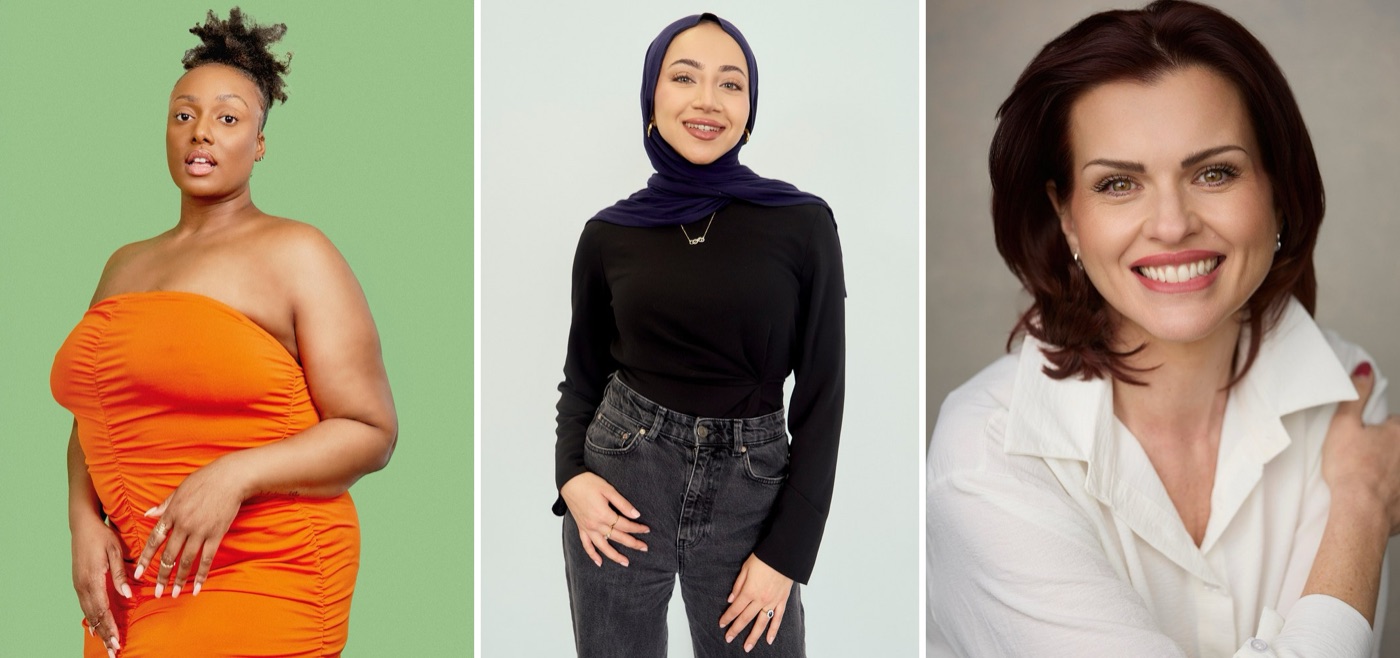
The word gets used as a synonym for ethnicity, and that is how casts end up ethnically varied and identical in every other respect: all between 25 and 35, all a size 8 to 12, all non-disabled, all secular in presentation.
The country you are selling to is not that. A cast that reflects it means thinking about:
- Age. Including people over 50, and over 70, in roles that are not about being old.
- Size. Genuine range, not one plus-size model among six sample sizes.
- Disability. Visible and non-visible, and not only as the subject of the story.
- Faith and dress. Hijab, turban, modest dress — worn by people doing ordinary things.
- Height and body shape. Petite, tall, and everything between.
- Gender presentation. Including non-binary talent where the brief allows.
You do not need all of it in every campaign. You do need to have considered it, because casts drift towards a narrow default unless someone actively widens them.
Write the brief so it can be delivered
Three practical rules.
Describe the person, not the demographic. "Warm, a bit dry, looks like she actually cooks" gets you a better shortlist than "female, 35–45, mixed ethnicity". Demographics narrow the field without telling us anything about who you want.
Give playing age as a band. "Playing 30 to 40" is useful. A single number is not, because nobody is cast on a birth certificate.
Say what you do not want. "Not model-y", "no polished presenter energy", "real rather than aspirational" — negatives are often more useful to a booker than positives, and they stop us sending you six versions of the same face.
And check your requirement list is survivable. Every additional hard requirement multiplies against the others. Ask for a South Asian woman, aged 28 to 32, size 8, 5'9", who is a fluent Punjabi speaker, drives, and is available on one specific Tuesday, and you have narrowed the field to almost nobody — at which point you are casting whoever is left rather than whoever is right. Rank your requirements: which are genuinely non-negotiable, and which would you trade?
The shoot day is where good casting gets undone
This is the part briefs almost never cover, and it is where the damage happens.
Hair and make-up. If your team cannot work confidently across textured hair and a full range of skin tones, your casting will fail on the day, in front of the talent. A Black model who arrives to find nobody can do her hair, or that the darkest foundation on the table is three shades too light, has been told something about how much thought went into booking her. Brief the team in advance. Ask directly whether they are comfortable. If they are not, book someone who is — it is not an insult, it is a specialism.
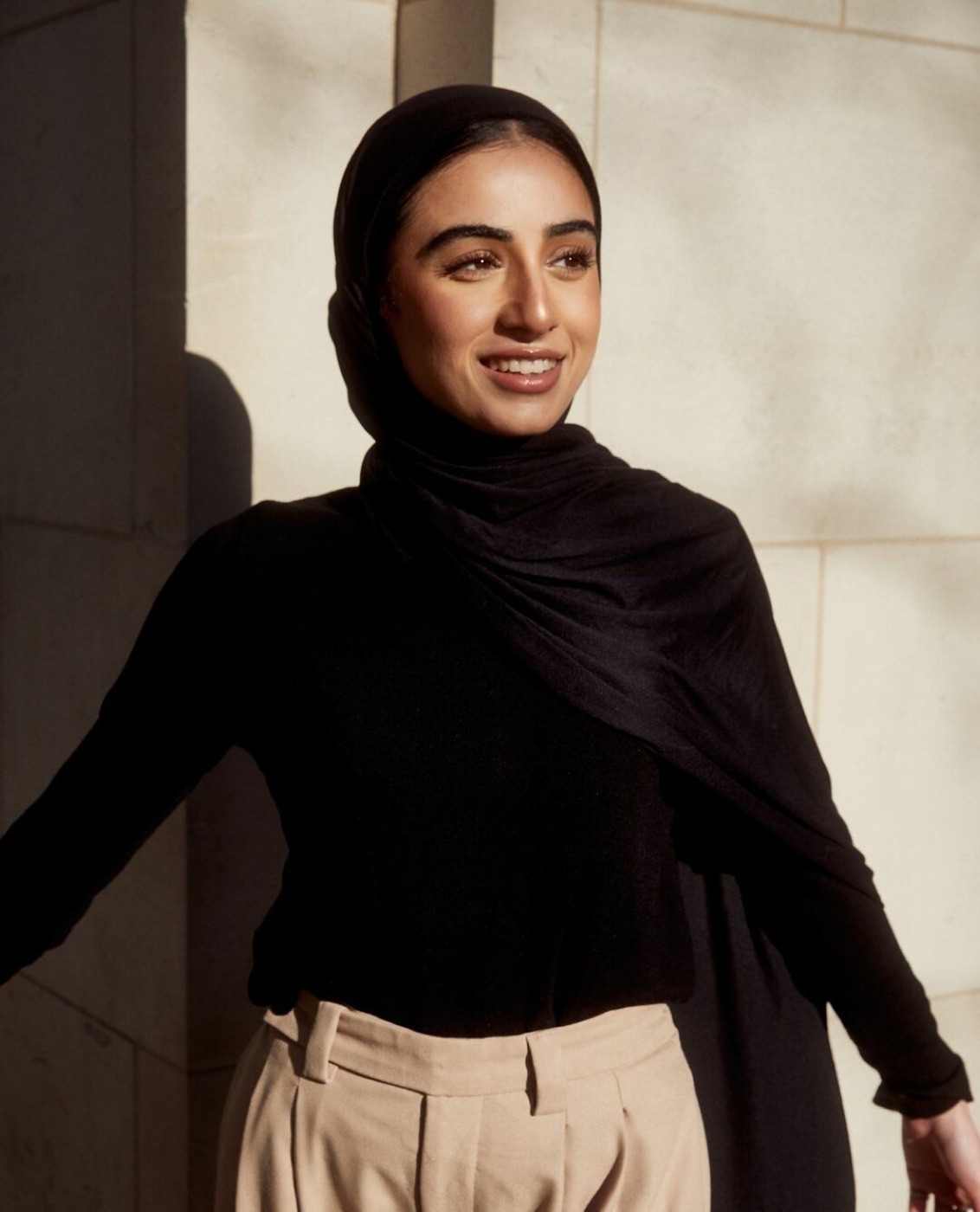
Modest dress. If you are casting a model who wears hijab, discuss wardrobe before the day, not in front of a rail. Ask what she does and does not wear, whether she works with male crew, and what the styling needs to accommodate. These are short, easy conversations that become awkward only when they happen at the last minute.
Accessibility. If you are casting a disabled performer, ask what they need rather than guessing, and check the location properly — the studio, the entrance, the loo, the parking, the route from the car to the set. "Accessible" on a booking page is not the same as accessible.
Sizing. If you have cast across a range of sizes, make sure the wardrobe actually spans it. Booking a size 20 model and arriving with a rail that stops at 16 is a wasted day and an unpleasant one for her.
Call times and food. Small, and they matter. Someone fasting during Ramadan, or with dietary requirements, should not have to raise it themselves at lunchtime.
Retouching: where good work gets thrown away
You can cast perfectly and lose all of it in post.
Skin lightened a stop "for consistency". A plus-size model's waist quietly narrowed. Vitiligo, freckles, scarring or stretch marks removed because someone thought they were blemishes. Grey hair darkened. It happens routinely, often without malice, from a retoucher applying habits rather than instructions.
Put it in the brief to the retoucher explicitly: skin tone is not adjusted, body shape is not altered, distinguishing features stay. If you cast someone for who they are and then edit that out, you have paid for authenticity and shipped the opposite.
Casting for the audience, not the boardroom
The commercial argument is simple enough. People buy from imagery they can place themselves in. A brand whose imagery shows one narrow demographic is telling everyone else that the product is not really for them, whatever the copy says.
There is a version of this that goes wrong, though, and it is worth naming: casting diversity as a statement rather than as normality. A campaign where every image is about difference is still treating difference as the subject. The more effective version is quieter — a range of people doing ordinary things, with no particular attention drawn to it. That is what actually reflects a British high street.
When the room pushes back
Casting rarely fails at the agency stage. It fails in the review, when a shortlist that reflects the brief meets a client or a stakeholder who is nervous.
The objections are predictable. "Is this too much for our customer?" "Will people think we are making a point?" "Can we do it next campaign instead?" They are usually not hostility; they are risk-aversion from someone who has not seen it done well.
Three things that help. First, bring the audience data rather than the argument — who actually buys the product, and what proportion of them are represented in the last three campaigns. That conversation ends quickly and without anyone having to defend a principle.
Second, show the cast in context rather than as a grid of headshots. A line-up of individual faces invites individual objections. The same people in a mocked-up layout read as a campaign, and the conversation moves to whether it works rather than whether each person is acceptable.
Third, deal with "next time" honestly. Next time is how a brand ends up five years into the same narrow casting, each individual decision defensible and the pattern indefensible. If it keeps being next time, it is a decision, not a delay.
Knowing whether it worked
Casting is the one part of a campaign that rarely gets measured, which is why the same mistakes repeat.
Two straightforward checks. Look back over your last year of imagery as a set rather than campaign by campaign — age range, size range, ethnicity, disability, faith — because drift is invisible in any single shoot and obvious across twelve months. And read the comments. Audiences are direct about casting, and they are especially direct about casting that looks like a slot being filled.
Timing: why last-minute diverse casting fails
Finding one model of a particular background at short notice is straightforward. Assembling a genuinely varied group at short notice is not, because you are now solving for availability across several categories at once.
Give it the same lead time you would give a location. A week is comfortable. Two days is possible if you are flexible on at least one requirement. Twenty-four hours will get you whoever is free, and "whoever is free" is exactly how you end up with the cast you were trying to avoid.
If your timeline really is tight, tell the agency which requirement is the flexible one. That single sentence changes what we can do for you.
How to work with an agency on this
Say what the campaign is actually for and who it is meant to reach. Booking briefs that describe the audience get better casting than briefs that only describe the roles.
Ask us to push back. If a brief is going to produce a narrow cast, we would rather say so before the shortlist than after the shoot. That is a large part of what a specialist roster is for.
And be honest about the budget and usage, because those determine who is genuinely available to you. A campaign paying properly with clear usage gets a better shortlist than one where the terms are vague — that is true of all casting, not only this.
Common questions
How do I write a brief for a diverse cast?
Describe people rather than demographics, give playing age as a band, and leave ethnicity unspecified across roles unless the story genuinely requires it — then let casting bring you range. Say what you do not want as well as what you do. And check your hard requirements are survivable: every additional non-negotiable multiplies against the others until you are casting whoever is left rather than whoever is right.
What is tokenism in casting, and how do I avoid it?
Tokenism is when four roles are described as people and the fifth is described as a category — the brief itself creates the problem before anyone is seen. Avoid it by leaving ethnicity open across all roles rather than specifying it in one, and by treating diversity as covering age, size, disability, faith and body shape rather than ethnicity alone. A cast that looks assembled to satisfy a requirement is visible to the audience you were trying to reach.
Does diversity in advertising actually affect sales?
The commercial logic is that people buy from imagery they can place themselves in, and a brand showing one narrow demographic signals to everyone else that the product is not really for them. The version that works is normality rather than statement — a range of people doing ordinary things, without particular attention drawn to it. Campaigns where every image is about difference still treat difference as the subject.
What does my crew need to get right on the day?
Hair and make-up that can work confidently across textured hair and a full range of skin tones, briefed in advance rather than discovered on the day. Wardrobe that actually spans the sizes you cast. Accessibility checked properly if you have booked a disabled performer — the entrance, the loo, the parking, not just the studio. And wardrobe conversations with modest models held before the shoot, not in front of a rail.
How far ahead should I book a diverse cast?
A week is comfortable, because you are solving for availability across several categories at once rather than finding one person. Two days is workable if you can be flexible on at least one requirement. Twenty-four hours gets you whoever is free, which tends to produce exactly the narrow cast you were trying to avoid. If your timeline is tight, tell the agency which requirement can move.
How should diverse casting be retouched?
Brief the retoucher explicitly: skin tone is not adjusted, body shape is not altered, and distinguishing features such as vitiligo, freckles, scarring, stretch marks or grey hair stay. Retouching habits applied without instruction routinely undo good casting — lightening skin for consistency, narrowing a waist, removing the features someone was cast for. It is possible to pay for authenticity and then edit it out in post.
Can an agency help me widen a brief?
It should. If a brief is going to produce a narrow or tokenistic cast, a specialist agency will say so before the shortlist rather than after the shoot, and suggest where to open it up. Telling us what the campaign is for and who it is meant to reach — not just the roles — gets you materially better casting than a list of demographics.
Talk to us about your campaign
Send us the brief and we will come back with options, and with an honest view on whether it will give you the cast you are describing. Our boards span women, men, curve, modest, classic, family and non-binary, or get in touch and tell us what you are making.
Related reading: From BAME Models to The Diversity Agency · Modest and hijab modelling in the UK
For clients: Hiring Plus-Size, Mature and Modest Models · What Does It Cost to Hire a Model in the UK? · Modelling agencies in London