How to Become a Modest or Hijab Model in the UK — TDA
Blog · Booked
How to Become a Modest or Hijab Model in the UK — TDA
The Diversity Agency, London. Founded 2016. An independent UK model agency built on commercial and diverse casting across every board. This is the honest guide to becoming a hijab or modest model in the UK — the work, the pay, and how to get signed.
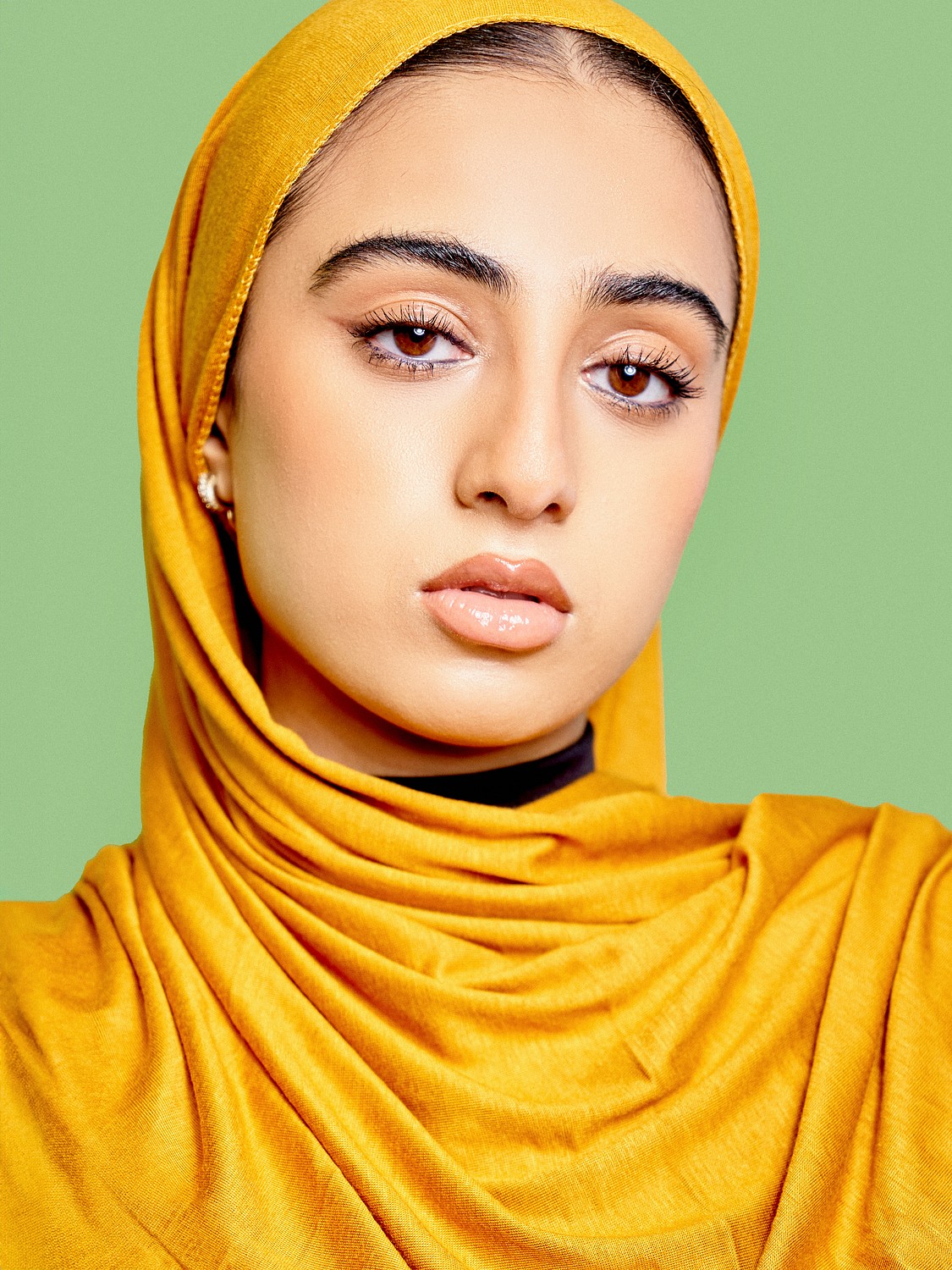
The UK modest and hijabi modelling market is one of the fastest-growing in commercial casting.
The short version
- A hijab model is a working model who keeps her hijab on set, books for brands aimed at modest and Muslim consumers, and increasingly for mainstream UK retail, beauty and commercial campaigns. Modest modelling is the wider category, and you do not have to be Muslim to work in it.
- Heights from 5'5" upwards work for fashion and runway. Any height works for beauty, commercial and lifestyle. UK casting works in inches and asks for real measurements, not guesses.
- Paid work sits in modest e-commerce, beauty, modest activewear, occasionwear, high-street commercial, editorial and runway. Day rates run from around £80 per hour to £1,500+ per campaign day, plus usage fees on top.
- You apply with four honest digitals (front, side, full-length front, full-length back), your measurements, and a short note on the hijab styles you wear or the modest cuts you prefer.
- Free to apply, no upfront fees. TDA's Modest board signs hijabi models, modest non-hijabi models, and Muslim and non-Muslim modest models. Apply at thediversity.agency/apply.
If you want to know how to become a hijab model in the UK without paying for empty courses, doing test shoots that lead nowhere, or being told that this market is too niche, this is the guide we wish the industry had ten years ago. I run The Diversity Agency in London. Our Modest board has been signing hijab models and booking them for high-street brands, beauty campaigns, modest activewear and runway since Mariah Idrissi walked for H&M in 2015 and the UK industry quietly rewrote its casting rules.
Modest modelling and hijab modelling are not the same thing. Both pay, both are growing, and both have agencies behind them that book real work every week. The honest version of the path follows.
What is a hijab model?
A hijab model is a working model who keeps her hijab on for the camera and books for jobs where the brand wants visibly Muslim representation, modest dress, or both. The hijab stays on whether the brief is high-street commercial, modest activewear, beauty, occasionwear, runway or e-commerce.
In casting terms, "hijab model" is a specific cast within the wider modest fashion category. The brand briefs us for a hijabi model in a particular style (full drape, soft drape, turban). The model is never asked to take the headscarf off on set. Any agency that lets a client renegotiate that on the day is the wrong agency.
In the UK, hijab models work for retailers like ASOS Modest, Marks & Spencer, Mango, H&M and Zara, specialist modest brands like Aab and Inayah, Turkish and Emirati modest e-commerce, halal beauty, and a long list of high-street advertisers running representative campaigns aimed at the UK Muslim consumer.
Hijab model vs modest model: what's the difference?
A hijab model keeps a headscarf on. A modest model dresses in modest cuts (covered arms and legs, higher necklines, looser fit) but does not always wear a hijab. Every hijab model is a modest model. Not every modest model is a hijab model.
That distinction matters because casting briefs ask for one or the other. A South Asian occasionwear shoot might want visible hair and no hijab. A modest activewear catalogue might want a hijabi cast only. A halal beauty campaign might book both hijabi and modest non-hijabi models, photographed separately on the same day. Knowing which lane you sit in stops you turning up to the wrong castings.
At TDA we represent:
- Hijabi models who wear hijab on every booking.
- Modest non-hijabi models who dress modestly but show their hair.
- Crossover models who do hijabi styling for one brief and modest non-hijabi for another, when the model is comfortable with both and her own practice allows it.
The booker's job is to put you forward for the briefs that fit, never the briefs that don't. Decide where you sit on day one and we cast you accordingly.
Why the UK modest modelling market matters now
UK modest modelling went from invisible to standard inside ten years. The moment most people in the industry point to is the 2015 H&M campaign that booked Mariah Idrissi as the first hijabi model in a global high-street shoot. After that, Nike launched the Pro Hijab for Muslim athletes, modest e-commerce platforms grew into nine-figure businesses, and the Modest Fashion Week circuit set a fixed date in the London diary.
The UK Muslim population is large, young, urban, with real disposable income. Brands that ignored that audience for two decades now openly cast for it. High-street retailers brief us monthly for hijabi e-commerce, modest occasionwear, Ramadan campaigns and Eid creative. The boards that book this work expanded because the work expanded.
If anyone has told you that modest modelling is a niche with no money in it, the information is a decade out of date.

Modest models book editorial, lifestyle, e-commerce and campaign work.
What types of work do modest and hijab models get?
Modest and hijab models in the UK book across seven main lanes: modest brand e-commerce, beauty and skincare, editorial fashion, high-street commercial, modest activewear and swimwear, runway, and fit modelling. Most signed models touch four or five of these in a working year.
Modest brand e-commerce. ASOS Modest, Aab, Inayah, Modanisa, Turkish and Emirati labels shipping to the UK. Volume e-commerce, multi-look days. Day rates from £400 to £900 depending on use.
Beauty and skincare. Halal-certified beauty ranges, hair-care for hijabi hairlines, skincare. Close-up work where the hijab is part of the styling. Strong category for hijab models because brands want a visibly Muslim face for a Muslim consumer.
Editorial fashion. British editorial fashion press now cast hijabi and modest editorial regularly. Modest Magazine and Azeema run dedicated editorials. Editorial pays modestly in cash, but it builds the portfolio.
High-street commercial. Marks & Spencer, Mango, H&M, Zara, supermarket clothing, plus high-street representative campaigns. Often the best-paid lane for commercial modest and hijabi work.
Modest activewear and swimwear. Nike Pro Hijab, modest sportswear from specialist labels, modest swimwear (burkini and full-coverage). Growing fast.
Runway. London Modest Fashion Week and modest shows on the wider London calendar. Editorial credit more than cash, but useful on the portfolio and for casting follow-on.
Fit modelling. Brands building modest ranges need a hijabi or modest fit model with the right measurements to size their cuts on. Less glamorous, very steady, usually a regular weekly hour.
Do you need to be a certain height to become a hijab model?
You need to be around 5'5" or taller for fashion-led modest work. There is no minimum height for beauty, commercial and lifestyle bookings. The hijab does not change the height brief. The brief follows the lane.
Rough numbers for the main lanes:
- Modest e-commerce and runway: 5'5" upwards is standard, 5'7"+ for runway.
- Modest fashion editorial: 5'7"+ is usual but not strict.
- Beauty and skincare: any height. The frame is the face, not the body.
- Commercial and lifestyle: any height. The brand books a believable person.
- Fit modelling: brand-specific. Their sample size sets the bar.
Stats matter. UK casting works in inches. We ask for bust, waist and hips measured properly, not estimated, and we update them every six months. If you arrive with the wrong stats, the client walks out.
Do you need to be Muslim to be a modest model?
No, you do not need to be Muslim to work as a modest model in the UK. Modest casting is about dress code and styling, not about faith. We sign modest non-hijabi models from every background.
Hijab modelling is different. To work as a hijab model, the hijab has to be part of how you present yourself, on camera and on set. Brands booking hijabi cast are buying representative imagery for a Muslim consumer audience. Bookers in this industry can spot a styled-for-the-day hijab, and so can the audience. We do not put non-hijabi models forward for hijabi briefs. If you wear hijab as part of your daily life, you sit on the hijabi side of the board. If you do not, you sit on the modest non-hijabi side, and there is plenty of work there too.
The rule cuts both ways. A hijabi model is never sent to a brief that requires the hijab to come off. The booker holds that line, and any agency that does not is the wrong one to sign with.
How do you become a hijab model in the UK?
You become a hijab model in the UK by sending honest digitals to an agency that already books modest and hijabi work, signing if they want to represent you, building a small set of test-shoot images, and turning up well-prepared to your first castings. The steps in order:
- Pick the right agencies. Modest and hijabi casting is a small lane. Apply to UK agencies that openly list a Modest board and a modest landing page, not generic agencies that hope to "place" you somewhere. TDA's Modest board is one of the few in the UK that books modest and hijabi work weekly.
- Take four honest digitals. Front head-and-shoulders, side profile, full body front, full body back. No makeup, natural daylight, plain wall. Wear the hijab style you wear day to day. Detail below.
- Send your stats with the digitals. Height, dress size, bust, waist, hips, shoe size, eye colour, hair colour (or hijabi, you do not need to display your hair), age, location.
- Apply at the agency's official page only. TDA's application sits at /apply. It is free. Any UK agency asking for an application fee, a portfolio fee or a training course up front is the wrong agency.
- Wait the response window. A real agency answers within a week. If we sign you, you are sent terms and a model contract. If we pass, we say so straight.
- Onboarding and test shoots. First month or two is about building proper polaroids and test images, calibrating your stats, and setting up your digital casting profile.
- First castings. Castings come in by self-tape and in person. Read the brief, dress for it, turn up on time.
- Build the diary. Year one is about consistency. Bookings beget bookings.
Building digitals for a modest model application
Digitals for a modest application are not a glamour set. They are a working document. The booker is reading your stats, your face, the way the hijab sits, and your fit. Get the digitals right and you get a decision either way.
Four shots is the baseline:
- Front head-and-shoulders. Daylight. Plain wall. Eyes to camera. Hijab in the style you wear day to day. No makeup or a bare-skin look.
- Side profile. Same set-up. Hijab visible from the side. This shot tells the booker the frame and the way the wrap sits.
- Full body, front. Standing tall. Modest cut clothing you would actually wear. Shoes on. Hands relaxed.
- Full body, back. Same posture. Same wall.
A second set of two or three styling shots is useful if you wear multiple hijab styles (full drape, turban, soft drape). Label each.
Honest is the operative word. We sign people on what they actually look like. A heavily retouched digital that does not match the model walking into the casting room is a wasted day for everyone.
What gets a modest model application rejected?
The most common reasons modest applications get rejected are filtered or edited digitals, the wrong board fit, missing or estimated measurements, religious requirements not flagged, and a generic application that could be from any model.
- Filtered or edited digitals. Smoothed skin, slimmed waist, posed-for-Instagram angles. We need to see what a brand will see. If the digital is filtered, the casting will not match.
- Wrong board for the model. Modest applicants who do not actually dress modestly, or hijabi applicants who would rather take non-hijab briefs, get put forward for the wrong work. Better to pick the lane that fits.
- No measurements or estimated ones. "About a size 10" is not a measurement. We need exact inches.
- Religious requirements not flagged. If the model has hard rules (no mixed-gender shoots, prayer time non-negotiable, no specific fabrics), say so on the application. A booker can build a working day around clear rules, not around surprises.
- Generic application. Every paragraph reads like five other applications. No sense of who the model actually is.
If we pass on an application, it is usually one of these. We do not pass on faith, body, ethnicity or age.

Beauty brands cast hijabi and modest models for mainstream campaigns.
How much does a hijab model earn in the UK?
A hijab model in the UK earns somewhere between around £80 per hour at the e-commerce end and £1,500 to £5,000 per day for a national high-street or beauty campaign, plus usage and image-buyout fees on top. The same scale applies to modest models more broadly. No agency can promise a figure, but the working ranges are public.
Rough working numbers for the main lanes:
- Modest e-commerce day rate: £400 to £900.
- Beauty stills shoot: £800 to £2,000 per day plus usage.
- National campaign stills day: £1,500 to £5,000 plus a separate usage or buyout figure, often as much again or more.
- Modest Fashion Week runway: £150 to £400 per show, sometimes more for opener or closer slots.
- TV commercial day rate: £1,000 to £2,500 plus performer usage uplift. UK performer fees and use rights are mapped out by the union Equity.
- Fit modelling hourly: £40 to £80 per hour, often a regular weekly slot.
Agencies take commission on the booking, paid by the brand. The model is paid the net rate. At TDA we set the commission out in the model contract. You should not be paying any UK agency anything up front. Representation is free.
Year one for a signed muslim model
Year one for a signed Muslim model in the UK looks like onboarding for a month, test shoots for the next two, first paid castings from month three, and steady bookings from around month six if the model is castable and reliable. It is not a straight line and it is not instant.
A rough timeline at TDA's Modest board:
- Months 1 to 3. Onboarding. Polaroids, agency digitals, stats finalised. One or two test shoots to fill out the portfolio. Profile goes live on the Modest board.
- Months 3 to 6. First castings drop. Most will be modest e-commerce and modest brand work. The model learns the casting rhythm, what to wear, how to read a brief, how to turn around a self-tape.
- Months 6 to 12. Repeat bookings start. The model is requested by name for certain brands. Day rates settle.
The models who break through are the ones who treat it like a working job. On time, prepared, professional, easy to work with on set. The job is camera-ready, not Instagram-ready.
How to apply to TDA's Modest board
You apply to TDA's Modest board through our public application page at thediversity.agency/apply, with four honest digitals, your stats, and a short note on the hijab styles you wear or the kind of modest work you want. No upfront fees, no training fees. We answer real applications within a week.
A few practical notes:
- Use the apply form, not Instagram. Instagram DMs land in a pile and rarely reach the bookers' desk. The application form goes straight to the team that signs.
- Pick one board. If you wear hijab, apply to the Modest board. If you are modest non-hijabi, also Modest. If you do not dress modestly, apply to one of our other boards instead, including Main or Classic.
- Include any prior work. If you have shot for a modest brand or worked editorial, link to it. If not, your digitals are the application.
- State your location. UK-based is preferred. We do book international when the brief calls for it.
What you should expect back: an honest answer either way, no pressure to take expensive test shoots, and no rebrand of who you are as a model.
What's the bottom line on becoming a hijab model?
The bottom line on becoming a hijab model in the UK is that the work is here, the brands are casting it weekly, and the only real barriers are an honest application and the right agency. Modest and hijab modelling are no longer fringe categories. They are a working lane of the UK industry that pays.
If you have read this far and you are thinking about applying, take the four digitals this week, write the short note, send it in. The agency on the other side wants the applications. We built the Modest board at TDA because the casts were already there. The roster only needed putting against them.
Related reading: How much do UK models get paid? · How to apply to a UK model agency · What modelling agencies look for.
You might like
View all →


