How to Apply to a UK Modelling Agency — TDA London
Blog · Booked
How to Apply to a UK Modelling Agency — TDA London
The Diversity Agency, London. Founded 2016. An independent UK model agency built on commercial and diverse casting across every board. This is the honest, step-by-step guide to applying to a UK modelling agency and getting signed.

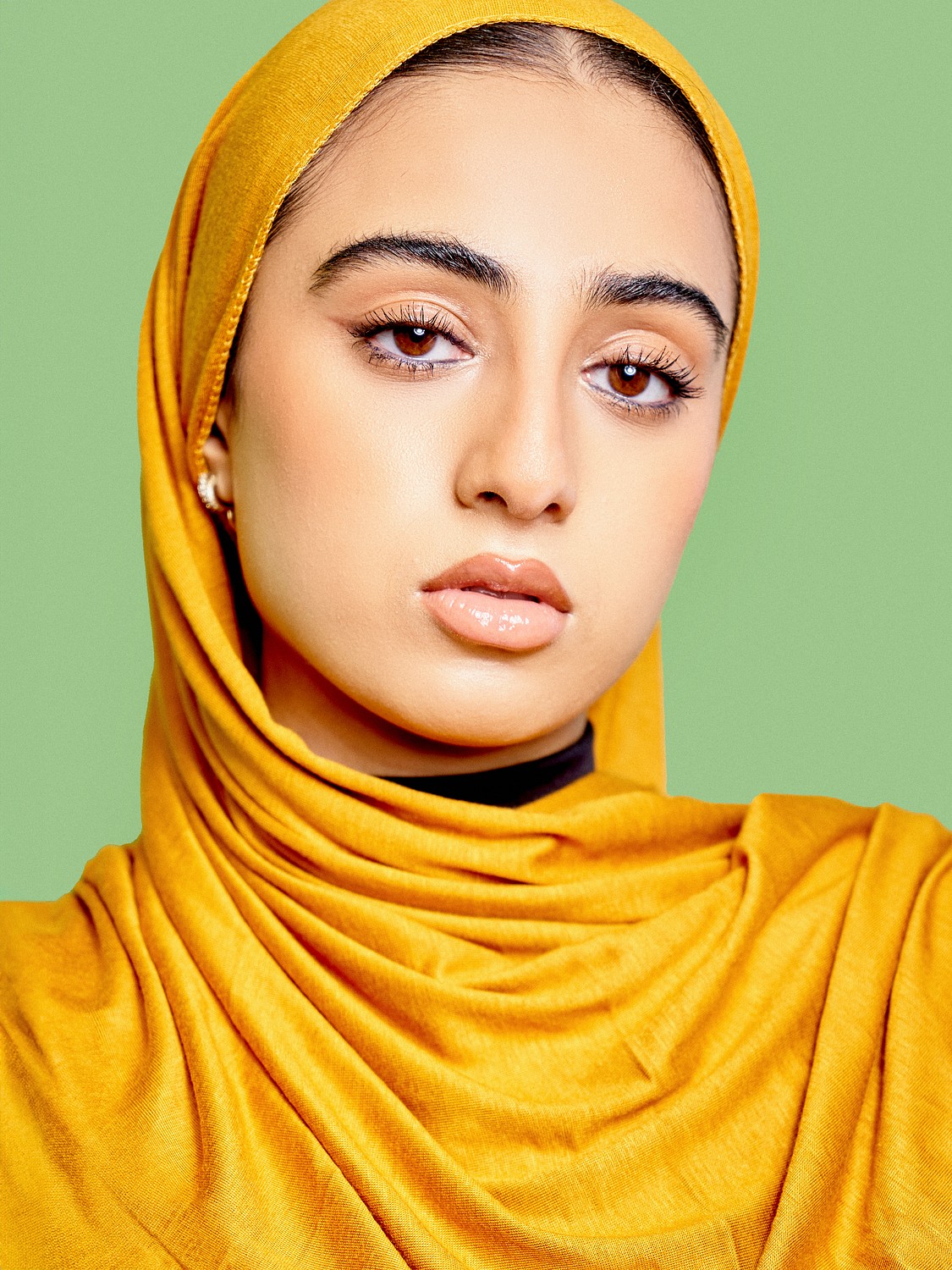
A simple front headshot in natural light is the first thing a booker opens.
The short version
- Applying to a modelling agency in the UK takes four honest phone photos, your real stats, and a short, clear note. That is the whole application.
- You do not need experience to get signed. New faces are signed every week. What we need to see is a clean canvas: no filters, no makeup, no studio lighting.
- Digitals are the four-shot test set: front headshot, side profile, full body front, full body side or back. Plain wall, daylight, fitted clothes.
- A legitimate UK agency never asks for an upfront fee, a paid portfolio, or a paid "training course". Representation is commission-based or it is not real representation.
- Apply to two or three agencies you actually fit. Mass-blasting every London agency works against you. Pick the rosters that look like you and write a real note.
Most weeks at The Diversity Agency we open between forty and a hundred applications to a modelling agency that is open to new faces. Most of them get a fair look. A lot of them get binned in under fifteen seconds, and almost always for the same handful of reasons. None of those reasons are about how you look. They are about how the application was put together.
This is the booker's-desk version of how to apply to a modelling agency in the UK in 2026. What to send, what we look at, what triggers a "no" before we have read your name, and what new applicants get wrong. If you have never modelled in your life, this still applies to you. Especially you.
How do you apply to a modelling agency in the UK?
You apply by sending four phone photos, your real measurements and stats, and a short note. That is the entire application at every legitimate UK modelling agency, including ours. There is no fee, no audition tape, no agent meeting at the start.
The mechanics: most agencies have an online apply form on their site. A few still accept emails. You fill it in, you upload the four images, you press send. Bookers like me open it on a desktop the next working day and triage. If your application clears the basic checks, we reply with a yes, a no, or a polite "come back to us in six months". Honest agencies do reply, even with a no. If a site has no clear apply page or wants payment to "register", close the tab.
Two underestimated details before you click send. Send accurate measurements: if you say 5'8" and turn up at the meeting 5'5", you will not be signed. Include a date of birth, because adult boards in the UK sign from 16 and under-16 work runs under licensed child employment rules.
How do you get into modelling in the UK with no experience?
You get into modelling in the UK with no experience by applying to two or three agencies you actually fit, with honest digitals, and waiting. That is genuinely it. New faces are the lifeblood of every working roster, including ours. We sign people every month who have never been in front of a paid camera in their life.
The thing the internet gets wrong about how to get into modelling UK side is the idea that you need to "build a portfolio" first. You do not. A pre-signing portfolio is money badly spent. We do not want retouched studio images. We want to know what the canvas looks like at 9am on a grey Tuesday.
How to become a model with no experience, in practical order:
- Pick two or three agencies whose rosters look like you (size, age, ethnicity, height, board).
- Take the four standard digitals on a phone, in daylight, against a plain wall.
- Write down your real measurements, age, location, and any visible tattoos or piercings.
- Fill in the apply form and press send.
- Wait a week. If they say yes, you go in. If they say no, apply to two or three more.
If you have done a school play, a charity catwalk, a friend's lookbook, a Depop shoot, mention it in one line. If you have not, do not invent anything. Bookers like new.
What is a modelling agency actually looking for in an application?
A modelling agency is looking for one specific thing: castability. Whether a casting director, somewhere in the next twelve months, will look at your image and click "book". Everything else is downstream of that one question.
The decision is faster than people imagine. We open the application, glance at the front headshot, glance at the full-length, scan the stats, read one or two lines of the note. The shortlist gets passed around the booker team for the next sign-off meeting. If you make it that far, you are doing fine.
What we are actually looking at, in the order it happens:
- Bone structure and proportions. Symmetry, the way the face reads in a flat phone photo, the line from shoulder to hip in the full-length.
- Range. Could this person plausibly book commercial, beauty, e-commerce, bridal, occasionwear? The wider the range, the higher the diary fills.
- Skin in honest light. Not airbrushed. Real skin tells us how it will photograph.
- Energy in the face. A soft, present expression beats a try-hard smile every time.
- Where you fit on our boards. Curve, classic, modest, family, mainboard, hand, foot. A specific lane often beats "could be on anything".
What we are not looking for: pretty in a generic way, perfect makeup, a tan, a heavy edit, a model pose copied from Instagram. None of those help. Most of them actively hurt.

The four digitals every UK agency wants: front head-and-shoulders, side profile, full-length front, and back.
How do you send digitals (and what should they look like)?
You send digitals as four unedited phone photos taken in flat daylight against a plain wall, wearing fitted clothes. Nothing else. No filter, no studio, no professional photographer, no makeup.
The four-shot set, in this exact order:
- Front headshot. Head and shoulders, looking straight into the lens, soft expression. Mouth closed or just open, not a forced smile.
- Side profile. Same framing, full side-on. We use this for the jawline, nose, and neck length.
- Full body, front-on. Standing straight, arms loose at sides, feet together. Fitted t-shirt and jeans or leggings. Trainers or bare feet.
- Full body, side or back. Same outfit, same wall. Side is better for posture, back is better for body line.
Lighting: stand at a window in the morning or early afternoon. Face the window. Stand a foot or two off the wall so you do not throw a shadow. Daylight is free, and it is what tells us the truth.
Clothes: a plain black or white fitted t-shirt, dark jeans or black leggings. No print, no logo, no baggy hoodie, no swimwear, no "going out" clothes. Hair tied back loosely or down naturally. No jewellery beyond small studs.
Background: a plain, flat wall in cream, grey, white or beige. Not a kitchen, not your bed, not a parked car, not a holiday villa.
If you cannot get all four in one go, do them over two days. We would rather wait twenty-four hours and see honest images than open a rushed set.

Clean, natural, daylight — a digital shows the real you, not a glamour shoot.
What stats and information should you include?
You should include height, bust or chest, waist, hips, dress size, shoe size, eye colour, hair colour and length, age, date of birth, location (city and postcode area), and a note on visible tattoos or piercings. That is the full set. It fits on five lines.
Why each one matters:
- Height. Filters you for board and for the brief. Commercial briefs are wide, runway is narrow, hand and foot work has its own.
- Measurements. A booker needs to know whether you sit on the curve board, the main board, or somewhere in between. We do not judge them; we sort by them.
- Shoe size. Shoots provide sample shoes. Saying "size 4 or 5" loses you the day if the brief is a size 6.
- Eye and hair. Castings sometimes brief specifics. This is how you appear in the right search.
- Location. London-based, Greater London, regional. It changes the rate, the travel, the kind of work we put you up for.
- Date of birth. Adult boards sign from 16 in the UK. Some boards sign under-16s under licensed child employment rules. Either way we need the date to know.
- Tattoos and piercings. Not a problem in commercial work in 2026, but bookers and clients need to know what is on the canvas before booking.
Do not pad. Do not write a paragraph about your hobbies. We will ask in person if we sign you. Two lines about why you want to model is enough. Three sentences max.
How do you get signed to a model agency?
You get signed to a model agency by sending the right application to the right agency, getting through to a meeting, and turning up as the person in the digitals. The three stages are: application, meeting, sign. Most rejections happen at stage one. Most signings happen at stage two.
How to get signed to a model agency, the honest version:
- Apply only to agencies whose roster you fit. A high-fashion-only house will not sign a 5'5" commercial face. A commercial agency will. Pick correctly. Look at the boards on each agency's site before you apply.
- Apply to two or three, not twenty. Bookers do talk. A serial blast to every London agency gets noticed and dismissed.
- Reply quickly. If we invite you to a meeting, reply the same day. If we send a follow-up question, send a clean answer within twenty-four hours. Reliability is the actual job.
- Come to the meeting as the person in the digitals. No new haircut, no spray tan, no full glam. Show up in fitted plain clothes, hair back, face clean. The whole point of the meeting is to see you in person.
- Be honest about availability. Tell us your job, your school, your visa status if relevant. Booking around real life is fine. Discovering it after we have signed you is not.
The meeting is not a screen test. It is a thirty-minute conversation. We walk you through how the agency works, how money flows, what we would put you up for, what your first six months might look like. We test how you read in person and how you handle a normal back-and-forth.
What gets your modelling agency application binned?
Your modelling agency application gets binned for three reasons more than any other: heavy edits or filters on the digitals, a paid studio portfolio sent instead of digitals, and lying about measurements. Any one of those and the application is closed within seconds.
The full binnable list, in the order we see it most often:
- Filter, beauty mode, smoothing. TikTok-style face filters render your skin and bone structure unreadable. We cannot cast what we cannot see.
- Pro-shot studio portfolio sent as the application. A retouched book tells us nothing about the person under the retouch. Send the four phone shots even if you also have a portfolio.
- Measurements that do not match the photos. If the digitals read 5'5" and the form says 5'9", we either think the digitals are wrong or the form is. Either way we move on.
- Going-out photos, holiday photos, mirror selfies. Not digitals.
- A novel about your life. Three lines, not three paragraphs.
- No full-length shot. Headshot only means we cannot read the canvas. Half the decision is the full-length.
- Heavy makeup. It hides skin and softens features. We need to see both.
- Photo of a photo, or a screenshot. Send the original file off the phone.
- Asking what we pay. Day rates are discussed at the meeting, not the application.
- Hostile tone. "I know I'd be great, you'd be lucky to sign me" gets you closed faster than anything.
None of these are about how you look. All of them are within your control. The candidates who make it through are not the most striking, they are the cleanest applications.
The boards you might get sorted onto
When an application clears, the booker quietly tags it for a board. UK commercial agencies run several at once and yours will sit on one or two at a time. At TDA the working boards are mainboard women's, mainboard men's, development (new faces), curve, classic (over 40s and 50s), modest, family and kids, plus specialist hand and foot. Sandra-Reynolds-style category pages have made this kind of board structure the working standard for commercial UK rosters, and a good agency will tell you exactly where you sit.
The board decides who casts you. Beauty pulls from main and classic. Plus-size e-commerce pulls from curve. Bridal and occasionwear pull from main, modest and classic. Supermarket and high street pull from everywhere. If we sign you to a board you didn't expect, it is because we know the work, not because we have boxed you in.
Red flags: scams, upfront fees, and fake agencies
There are still agencies and "agency-shaped" companies in the UK that make their money off applicants rather than clients. A real agency takes commission on jobs you book. A fake one takes money from you before any job exists. The split is binary.
Three checks before you sign anything. First, verify the business at Companies House. A real UK agency is a registered company with filing history. Second, check the roster pages have working booking links and the agency is named on real campaign credits. Third, before any first paid shoot the legitimate process involves photo ID, right-to-work paperwork, and sometimes a DBS check for work involving children. Paying the agency for a "test shoot package", a "portfolio session", or a "training course" is not part of that process.
Paid work itself is governed by the advertising code when it appears in ads, and UK performer pay norms sit in the Equity ecosystem alongside modelling. None of that involves you paying anyone upfront to be a model. If it ever does, you are in the wrong room.
How to apply to TDA
TDA's apply page is at apply. It takes the four digitals, the stats, and the short note we have walked through above. There is no fee. The whole form takes ten minutes.
The full TDA board structure sits at faces if you want to see who is already on the books before you apply. If you want to keep reading first, the rest of the modelling advice blog covers how much UK models actually earn, what a commercial model is, and the category guides for curve, classic, hand, foot, modest and family work.
One closing note. Applying is the easy part. Showing up as the person in the digitals, replying quickly, and being honest about your life is what gets you a working career. The application is the door. The rest is the work.
Related reading: How much do UK models get paid? · How to apply to a UK model agency · What modelling agencies look for.
You might like
View all →