From BAME Models to The Diversity Agency — TDA London
Blog · Booked
From BAME Models to The Diversity Agency — TDA London
The Diversity Agency, London. Founded 2016 — originally as BAME Models. This is the story of how a modelling agency built to represent everyone the industry overlooked became TDA, and what it stands for now.
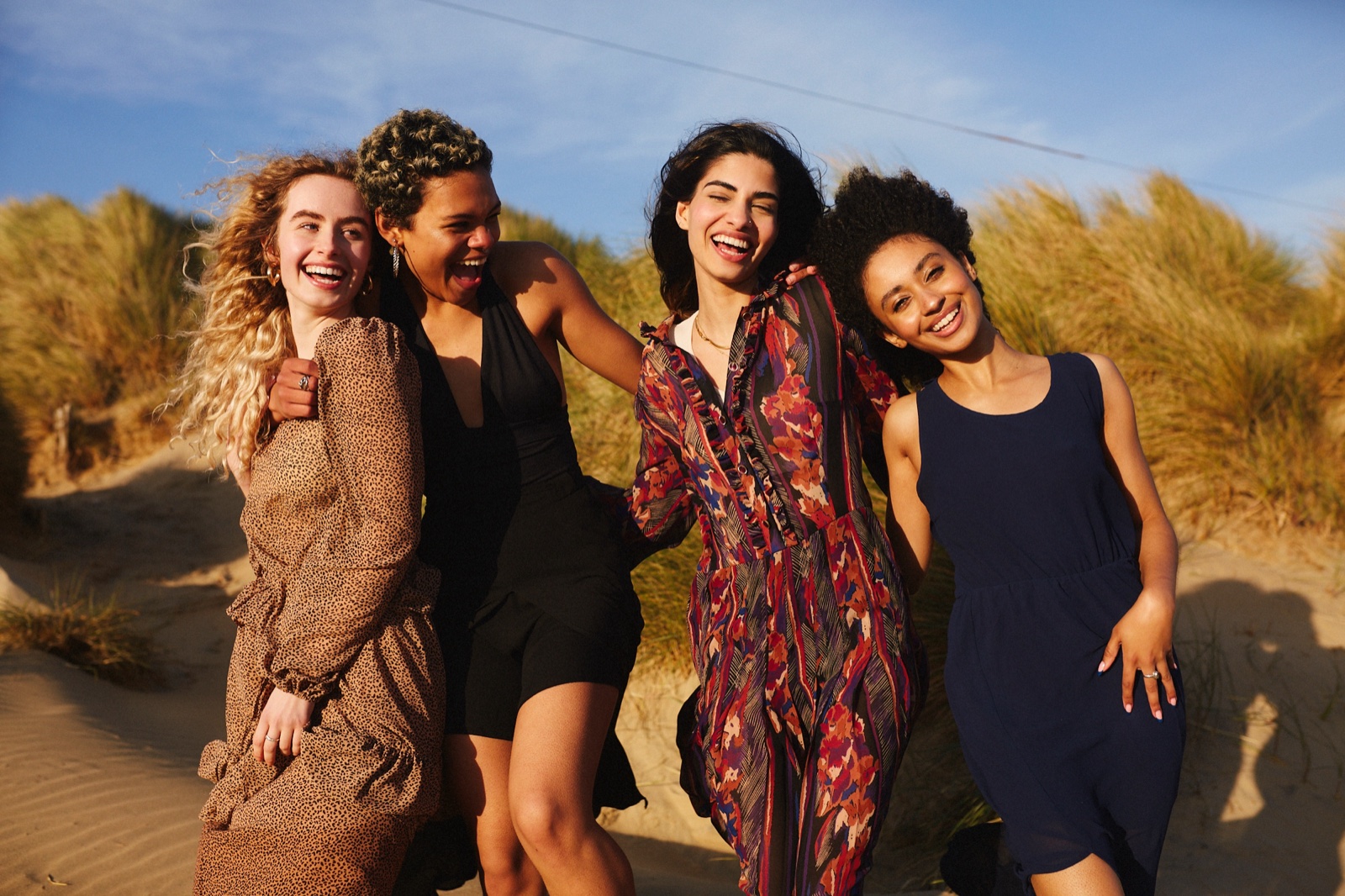
One agency, the full range — every colour, age and identity under one roof.
Where it started: BAME Models, 2016
The Diversity Agency began in 2016 under a different name: BAME Models. It was founded by Marcus Flemmings to represent the talent the mainstream London agencies kept overlooking — models of colour who could see the work happening around them but couldn't get through the door. "BAME" — Black, Asian and Minority Ethnic — was the term British institutions used at the time, and naming the agency after it was deliberate. In the early days the roster was built largely around models of colour: Black models, South Asian models, East Asian models, and mixed-race and mixed-heritage models who weren't being represented properly anywhere else.
The gap was obvious to anyone who looked. Brands were starting to ask for casting that reflected real Britain, and there was no agency built from the ground up to supply it across the full range. BAME Models set out to be that agency.
Those first few years were about proving the premise. The agency signed models who'd been turned away or boxed in elsewhere, built their portfolios, and put them in front of the casting directors and brands who were beginning to ask for representative casting. As the work came in — e-commerce, commercial, beauty — the roster grew, and so did its range. What began as an agency for models of colour widened, deliberately, into one that represented difference of every kind. The premise held: there was real, paid work for the talent the mainstream had overlooked, and an agency built specifically to serve it could not only survive but lead. By the early 2020s, BAME Models had become one of the names brands and casting directors reached for when they wanted casting that looked like the country.
Why we called it BAME Models — reclaiming the term
Here's the honest part: Marcus never liked the term "BAME". It took millions of different people — different countries, cultures, faiths, histories — and flattened them into a single box for the convenience of forms and policy documents. So the agency took the term on directly and reclaimed it. The way communities have always turned words used against them into something of their own, BAME Models used the label to build the exact thing the label denied: a roster so broad that no single category could ever contain it.
That was the whole idea. Call it "BAME", then fill it with every kind of person until the word's reductiveness fell apart on contact with the reality of the roster.
A roster built to break the box
From early on, the agency signed widely and on purpose — not only models of colour, but talent across every line the industry had historically drawn:
- Models of every background — Black, Asian, South Asian, East Asian, Middle Eastern and North African (MENA), Latin American (LATAM), mixed-race and mixed-heritage models, alongside Caucasian and white models, because diversity means everyone in the room.
- Models of every height — from tall high-fashion models to petite and shorter commercial models.
- Models of every size — straight-size, curve models and plus-size models.
- Models of every age — new young faces through to mature models, over-50 models and older models with decades of presence.
- Classic models — experienced talent for the work that wants real, lived-in faces.
- Modest and hijabi models — for the brands and campaigns that cast modestwear.
- Men and women, across all of the above.
- Models of every gender identity and sexuality — including LGBTQ+, gay, lesbian, bisexual, queer, transgender and non-binary models — with everyone's pronouns asked for and respected.
"BAME" tried to reduce people to a category. The roster proved how little one category could ever hold.
The boards today
That breadth is still how the agency is organised. TDA's boards run across Women, Men, Curve, Modest, Classic, Family, Non-Binary, and specialist Hands and Feet boards. One agency, the full range — by design, not as an afterthought.
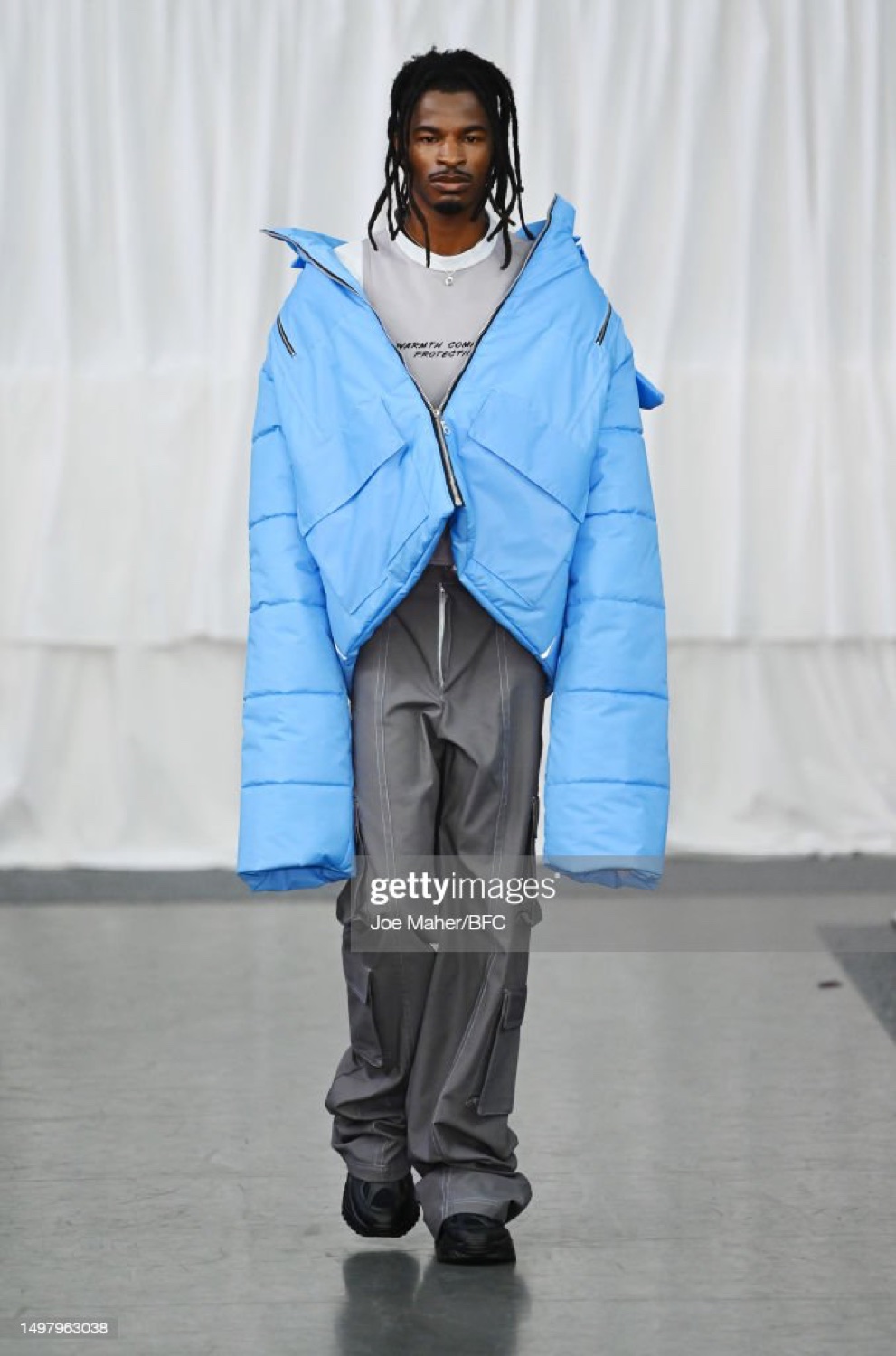
From e-commerce to the catwalk — TDA models work right across the industry.
George Floyd, 2020 — and the end of "BAME"
The plan was always to change the name once the term itself fell out of use. That moment came sooner than expected. After the killing of George Floyd in 2020 and the global response that followed, UK institutions took a hard look at the language they used to describe people — and "BAME" was widely judged to be exactly the reductive, lump-everyone-together term that its critics, Marcus included, had always said it was. Public bodies and the media began retiring it.
With the term on its way out, the agency rebranded. BAME Models became The Diversity Agency. Far from a loss, Marcus saw it as the goal reached: the agency had outlived the very word it was named after.
Why "The Diversity Agency"
The new name says plainly what "BAME" tried to obscure. This is an agency for the full range of people — every colour, height, size, age, gender and identity. Diversity isn't a box to tick on a casting brief; here, it's the entire roster. The short form, TDA, is how most clients know the agency now.
What TDA represents now
Today The Diversity Agency is one of the UK's go-to agencies for diverse and commercial casting. The roster still leads on models of colour — Black, South Asian, East Asian, Middle Eastern, mixed-race and mixed-heritage models — and extends across curve and plus-size, modest, classic, mature and over-50, family, non-binary and LGBTQ+ talent, men and women, across every height and size. The agency's models work across e-commerce, beauty, commercial and lifestyle campaigns, editorial fashion, bridal and occasionwear, music video, and film and television, for national brands and major productions.
The mission hasn't changed since 2016 — only the name has. Represent the people the industry overlooked, sign the full range, and make it normal for casting to look like the country actually does.
The models we represent — in full
If you're looking for a particular kind of model, the chances are TDA's roster covers it. Here is the range, in plain terms:
Models of colour
The heart of the agency. Black models of African and Caribbean heritage — Nigerian, Ghanaian, Jamaican, Somali, Sudanese and beyond. South Asian models — Indian, Pakistani, Bangladeshi and Sri Lankan. East Asian and Southeast Asian models — Chinese, Korean, Japanese, Filipino and Vietnamese heritage. Middle Eastern and North African models (MENA). Latin American models (LATAM) — Latino, Latina and Hispanic heritage. And mixed-race and mixed-heritage models, who are some of the most-booked faces in UK commercial work.
Caucasian and white models
Diversity means everyone in the room, so the roster includes Caucasian and white models too. Brands and beauty clients often cast by colouring, so it's worth being specific: blonde models, brunette models, redhead and ginger models, and auburn. Hair colour and complexion are part of how a lot of commercial and beauty work is briefed.
Curve and plus-size models
A dedicated Curve board. Curve and plus-size models book consistently across UK e-commerce, lingerie, commercial and editorial work, and the demand keeps growing.
Modest and hijabi models
For the brands and campaigns that cast modestwear, the Modest board represents models who dress modestly, including hijabi models.
Classic, mature and over-50 models
The Classic board is for experienced talent — mature models, over-50 models, grey-hair and silver models, and older faces with real presence. Brands cast them across commercial, lifestyle, beauty and health campaigns, and there is no upper age limit to apply.
LGBTQ+, transgender and non-binary models
TDA represents models of every gender identity and sexuality, including LGBTQ+, gay, lesbian, bisexual, queer, transgender and non-binary models, with everyone's pronouns asked for and respected.
Every height and size
From tall models for high fashion to petite models and short models for commercial work; from straight-size to curve and plus-size models — the same categories UK e-commerce casts by (petite, tall, curve, plus). Women, men and family talent, plus specialist hands and feet models for parts work.
Why brands cast diverse models now
This isn't only about doing the right thing — though it is that. UK brands have worked out that casting which reflects their actual customers performs better. Shoppers respond to seeing people who look like them, across colour, size, age and identity, and brands that cast narrowly look out of step with the country. Representation has moved from a nice-to-have to a normal part of a casting brief, and agencies built for the full range — rather than retrofitting it — are the ones that can deliver. That shift is exactly the one TDA was founded ahead of in 2016.

TDA models front national and international brand campaigns.
The work TDA's models do
The roster doesn't sit on a board for show — it works. TDA's models book across the full spread of UK modelling: e-commerce and catalogue shoots for high-street and online retailers; beauty and skincare campaigns, including the shade-range work that has changed the industry; commercial and lifestyle advertising for telecoms, banking, supermarkets, health and charity brands; editorial fashion; bridal and occasionwear, including the large South Asian bridal market; modestwear; music videos; and film and television, from commercials and supporting-artist work to on-screen roles. Diverse casting now runs through all of it, which is exactly why a roster built for range keeps people in work.
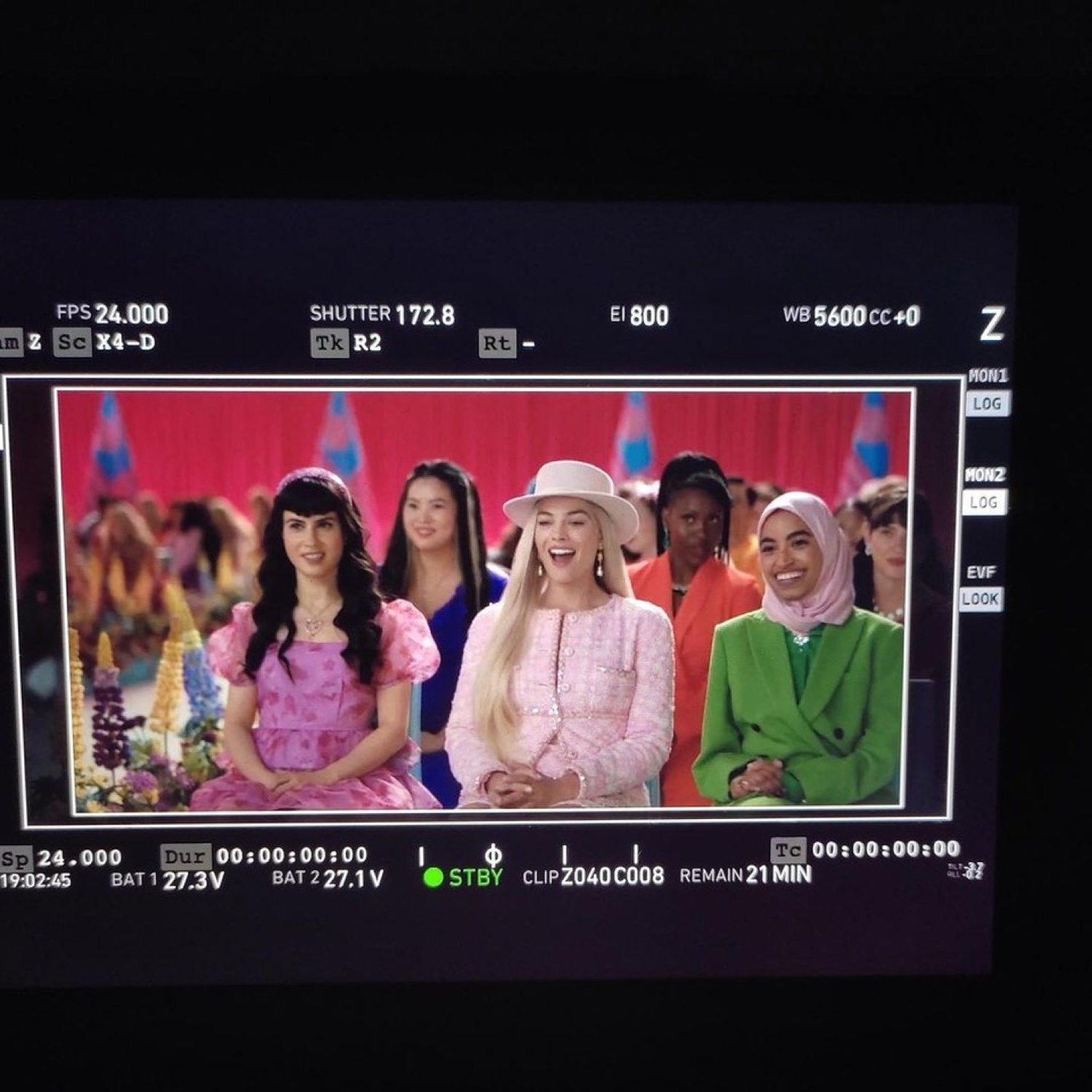
TDA talent appears across major film and television productions.
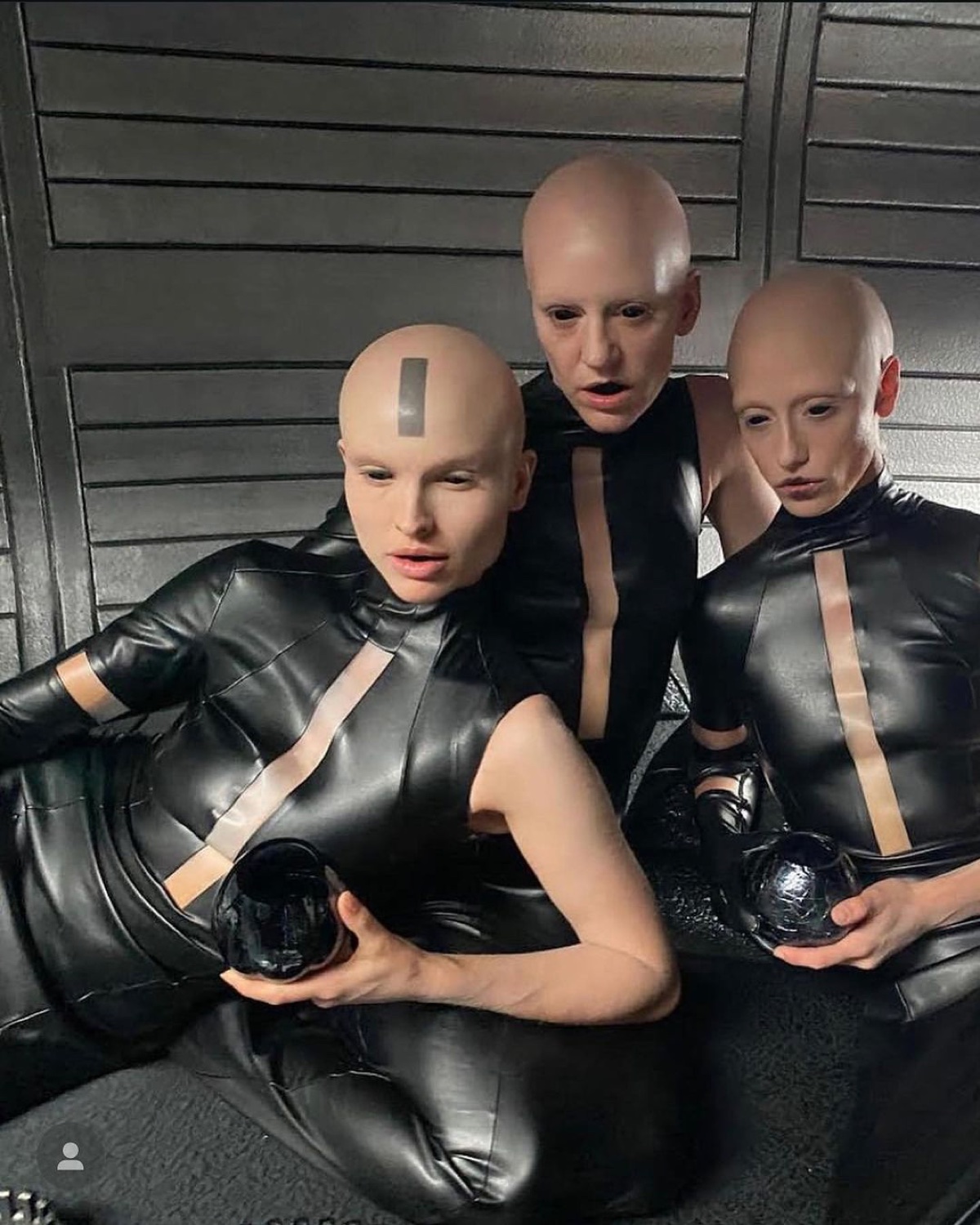
Screen work — from costume-led productions to commercials.
Diversity in UK modelling, then and now
When the agency started in 2016, "diverse casting" was still treated as a special request — a separate line on the brief, often an afterthought. A decade on, it's the default expectation for any brand that wants to look like modern Britain. That change didn't happen by accident; it was pushed by models, agents, campaigners and the brands willing to lead. TDA was part of that push from the start, and being early is part of why the agency has the depth of roster it does today — across colour, size, age, gender and identity — rather than scrambling to add it now.
What makes The Diversity Agency different
Plenty of agencies now have a diverse face or two on the books. The difference at TDA is that breadth was the founding idea, not a later addition. The agency was built across every board from the start — Women, Men, Curve, Modest, Classic, Family, Non-Binary, Hands and Feet under one roof — so the range runs deep rather than tokenistic. You won't find a single curve model or one older face wheeled out for the right brief; you'll find a proper board behind each category. That depth is what lets the booking team cast a full, representative group from one agency.
Booking diverse models in the UK
It works both ways. For brands, casting directors and producers, TDA is a single point of contact for diverse casting across the whole range — models of colour, curve and plus-size models, modest and hijabi models, classic and mature models, LGBTQ+ and non-binary models, every height and size, men, women and family. Instead of calling round several specialist agencies, you can brief one roster built for breadth, and the booking team will pull options across boards quickly — whether you need a single face or a full, representative cast. Brands and casting directors can reach the team at thediversity.agency/contact.
How to apply to The Diversity Agency
Applying is free and takes a few minutes — whatever your background, height, size, age, gender or identity. Send a few honest phone-camera photos in daylight (no filters), your stats (height, size, measurements, shoe size, age and location), and a short note about yourself. Apply at thediversity.agency/apply or through thediversity.agency/contact. The booking team reads every application and replies within a week.
Related reading: How to apply to a UK model agency · What modelling agencies look for · How to become a curve model.
Frequently asked
What does BAME mean?
BAME stands for Black, Asian and Minority Ethnic — a term UK institutions used to group together people from non-white backgrounds. It's now widely considered reductive and has largely been retired.
Why did BAME Models change its name?
The agency was always going to rename once "BAME" fell out of use. After 2020, UK institutions dropped the term, so BAME Models became The Diversity Agency (TDA) — the same mission, a name that fits it better.
Do you only represent models of colour?
No. Models of colour are at the heart of the agency, but TDA represents the full range — every background, height, size and age, including curve, plus-size, modest, classic, mature and over-50 models, men and women.
Do you represent LGBTQ+ and non-binary models?
Yes. TDA represents models of every gender identity and sexuality, including LGBTQ+, transgender and non-binary models, with everyone's pronouns respected.
Do you represent mature and over-50 models?
Yes. There's no upper age limit. The Classic board and the wider roster include mature, over-50 and older models, who are in real demand for commercial and lifestyle work.
Do you represent curve and plus-size models?
Yes — across the dedicated Curve board and beyond. Curve and plus-size models book consistently across UK e-commerce, commercial and editorial work.
Where is The Diversity Agency based?
London, with models from across the UK. Most shoots are London-based, so travel is part of the work, but you don't have to live in London to be signed.
From BAME Models in 2016 to The Diversity Agency today, the point has stayed the same: one agency, every kind of person, representing the talent the industry left out — and proving, with the roster, that diversity was never a box in the first place.

You might like
View all →


