Commercial Modelling Agency London — TDA London
Blog · Booked
Commercial Modelling Agency London — TDA London
This is The Diversity Agency, a London agency founded in 2016 with a working commercial modelling agency London board — real models, booked for real e-commerce, advertising and lifestyle jobs, by the same booker writing this. If you've been searching for a commercial modelling agency London brands actually book through, rather than a name sitting in a directory, this guide is for you. It covers what a commercial agency actually does day to day, why commercial is where most of the paid UK work sits, how to tell a genuine agency from a paid-portfolio scam, what a strong application looks like, what the pay genuinely is, and the exact steps to get signed.
We're not covering fashion week here and we're not trying to. Our board is built for the work that actually pays UK models month after month: e-commerce, beauty, advertising, product and lifestyle campaigns. If your question is closer to "what is commercial modelling", read our guides on what a commercial model is and what commercial modelling is first — this piece assumes you already know the basics and want to know how to choose an agency and get signed.
What a commercial modelling agency in London actually does
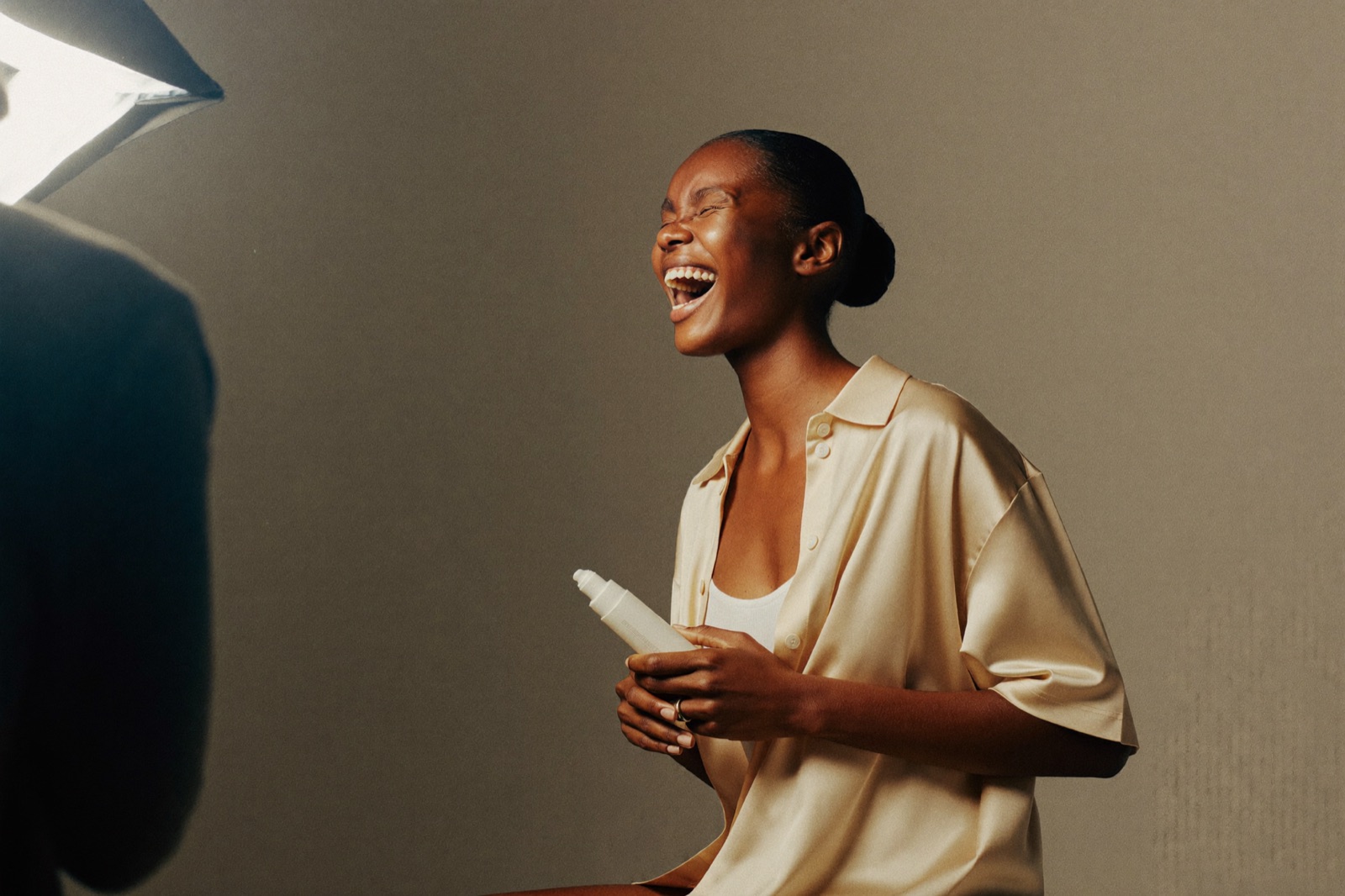
A commercial modelling agency represents models for the type of paid work that keeps the UK industry running — e-commerce, beauty, advertising, product and lifestyle content — and handles the parts a model can't do alone. That means building and maintaining a portfolio, submitting the right faces for the right briefs, negotiating day rate and usage fee, invoicing the client and chasing payment, and generally standing between the model and the commercial side of the job so the model can concentrate on turning up and doing the work well. We've already written the fuller definition pieces, on what a commercial model is and what commercial modelling is — this guide picks up from there.
What matters here is the word "agency". An agency represents you to clients and earns commission only when you're booked. That's different from a directory site charging you to list, or a "modelling academy" selling courses and photoshoots dressed up as a career start. Confusing the three is the single biggest reason people waste money looking for commercial work in London.
Why commercial is where the real UK money is
Commercial work is the largest, steadiest category of paid modelling in the UK, and it isn't close. Fashion editorial and runway are a small, height-gated slice of the industry — sample garments are cut to one size, and casting directors won't re-tailor a show for one face. Commercial is everything else: the product shots on a retailer's website, the "real people" adverts on the Tube, the skincare campaign, the lifestyle imagery for a bank or an insurer, the social content a brand shoots for its own feed. Every one of those needs a model, constantly, at every height, age, size and ethnicity, because the brief is always the same: cast someone the customer recognises.
That volume is why agency income and model income both actually come from commercial work. A high-fashion agency might place a handful of models on a handful of shows a season. A working commercial modelling agency London brands actually use is booking models onto jobs every week, across e-commerce, beauty, advertising and lifestyle at the same time, because that's where the client demand sits.
Clients booking commercial work aren't casting a look. They're casting a person their customer already trusts. That's a much bigger door than fashion ever was.
None of this means commercial work is easier to get than fashion — the casting bar is real, and clients are precise about who represents their brand. It means the door is open to far more people, at every stage of life, than the fashion end of the industry ever was.
How to choose a commercial modelling agency London
Search "commercial modelling agency London" and the results page fills with sites that all look similar: clean design, stock-photo-perfect models, promises of "opportunities". Most of it is noise. A handful of practical checks separate a working agency from a directory or a scam wearing an agency's branding:
- A public board you can actually see. A genuine commercial agency shows the models it represents, not a submission form leading into a black box. If you can't see who they've signed, be sceptical of who they'll sign.
- A registered company, not just a website. Check Companies House for a UK registration and a trading history. A site that appeared six months ago with no company behind it is worth a second look.
- No fee to apply, ever. Legitimate agencies earn commission when you work, full stop. If there's a "registration fee", a "portfolio package" or a paid assessment day before you're even signed, that's not an agency.
- A transparent commission rate. Ask directly. UK agency commission on commercial bookings typically runs around 20%. An agency that dodges the question or buries it in small print isn't one to trust with your invoices.
- Evidence of real bookings. Client names, case studies, models with visible commercial work already in their portfolio. Anyone can build a website; not everyone can show a paid campaign.
- A straight answer to your application. A working agency replies with a yes, a no, or an invitation to meet, usually within a couple of weeks. A string of "still reviewing" replies with the occasional upsell email is a pattern worth noticing.
We cover the wider version of this, not specific to commercial work, in our guide to what modelling agencies look for, which is worth reading alongside this one.
Real agency or paid-portfolio scam: how to tell the difference
The scam version of a commercial modelling agency in London follows a near-identical script every time: an unsolicited message telling you you've been "scouted", a fast-tracked meeting, and a requirement to pay for a "professional portfolio" or "registration" before you're offered any actual work. Some outfits lean on the word "commercial" specifically because it sounds more attainable than fashion, and because applicants who've already been told they're the wrong height or size for a runway board are an easier sell on a paid photoshoot.
The rule that cuts through all of it: money flows from the client, to the agency, to you. Never from you to the agency at application stage. Test shoots, when a real agency arranges them, exist to build your book for casting, not as a product sold to you as a condition of signing.
Our full breakdown of the warning signs, with the specific phrases and pressure tactics scammers use, is in our guide to spotting a modelling scam in the UK. Read it before you meet anyone claiming to represent you, especially if the meeting was their idea.
What makes a strong commercial application
Commercial casting briefs are about believability, not a fixed look. When a commercial application lands on our desk, this is what actually moves it forward:
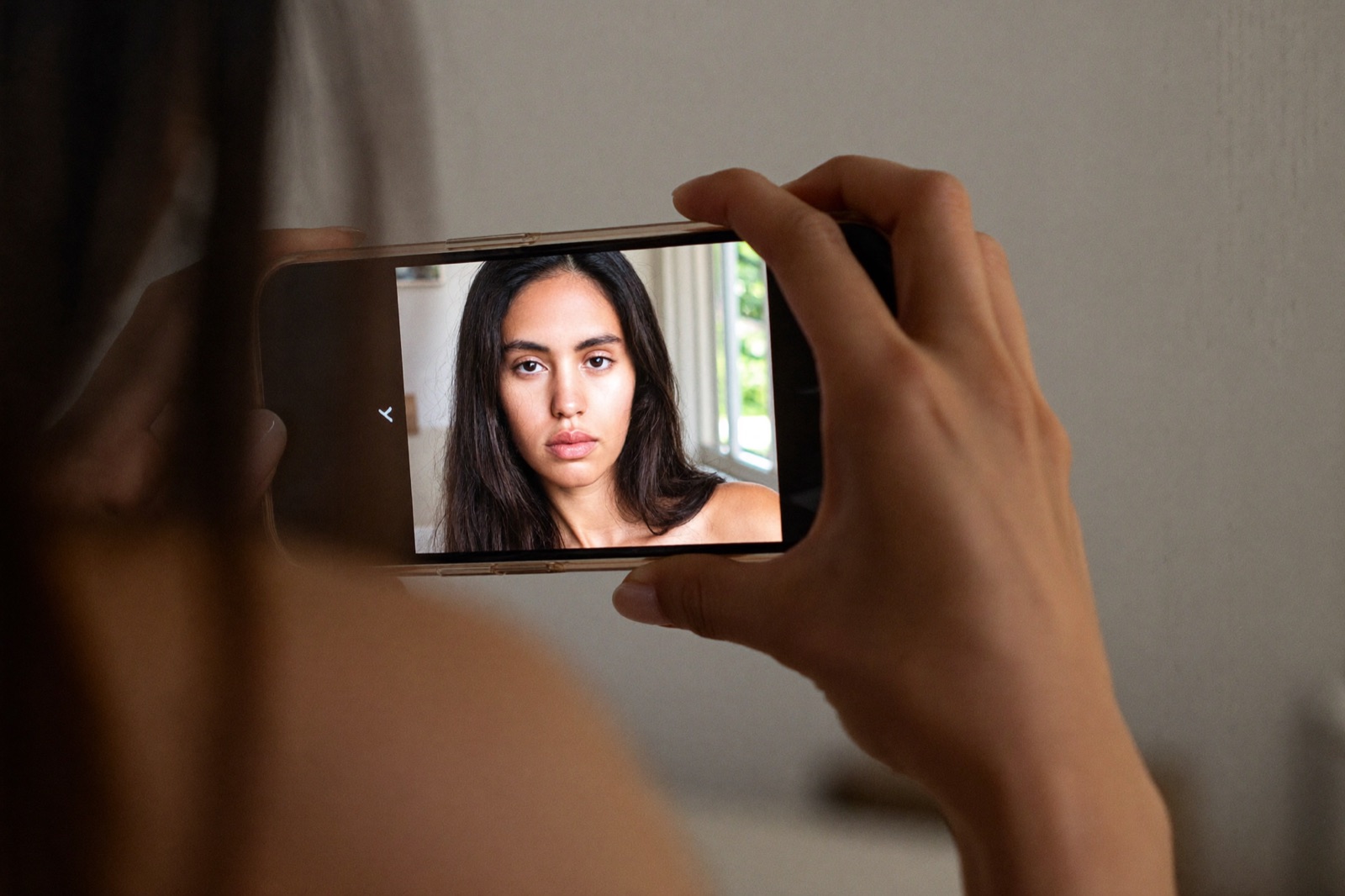
- Clear, unfiltered digitals. Six to eight simple phone photos in daylight — face front-on, face profile, a genuine smile, full length front and side — plain background, minimal make-up, no filters.
- An expressive, natural face. Commercial work is carried by reaction and warmth on camera far more than symmetry. Bookers are looking for a face that photographs the way it actually moves in person.
- Honest measurements. Height, sizing, shoe size, all accurate — clients book against them, and a mismatch on set costs the agency a client relationship it worked to build.
- Range across looks. Commercial casting covers every age, size, ethnicity and style going. Being distinctly, consistently yourself matters more than fitting one narrow mould.
- Reliability. Turning up on time, answering emails, taking direction on set. It sounds basic; it's the single biggest reason models get rebooked.
None of that requires a professional portfolio, an agency-run photoshoot, or prior experience. Our guide to how to apply to a UK model agency walks through the practical mechanics of putting an application together.
Realistic commercial modelling pay: rate, usage and commission
Commercial day rates in the UK vary by the type of job. E-commerce and catalogue days typically pay £150–£400. Commercial advertising, the kind that ends up in a paid campaign, usually carries a base fee of £500–£1,500, plus a separate usage fee for where the images or footage run and for how long. Usage is where the bigger money sits — a national advertising campaign's usage fee can be worth several times the day rate itself.
Agency commission on commercial bookings is typically around 20%. That covers the agency finding the brief, negotiating the rate and usage, invoicing the client and chasing payment — work that happens whether or not the model ever sees it directly. The honest caveat we give every applicant: commercial work builds up through rebookings, it doesn't start as a salary. Don't leave a job on the strength of one booking, especially in year one. Our full breakdown of UK model pay, across every category, is in how much UK models earn.
How TDA's commercial board works
Our commercial board sits alongside our other boards — petite, plus size, hand and feet, and more — and it's the busiest one we run, because it's where the volume of London client demand actually lands. Every model on it has been checked in person, not just approved from photos, and every booking that comes off it follows the same process: the client sends a brief, we put forward models who genuinely match it, we negotiate the fee and usage before anyone's booked, and we invoice the client directly so the model is never chasing payment themselves.
We don't put a model forward for a brief they don't suit just to pad numbers. It costs us the client relationship if we do, and it wastes the model's time on a casting that was never going anywhere. Have a look at who's already on the commercial board to see the range of looks that actually get booked — it's broader than most people expect before they check.
The steps to get signed
Here's the process, start to finish, with nothing to buy:
- Take honest digitals. Six to eight simple photos on a phone, daylight, plain background, no filters, no heavy make-up.
- Record accurate measurements. Height, sizing, shoe size — agencies check at the first meeting, and inflated stats cost trust before a career even starts.
- Apply through the agency's official channel. Not a DM, not a third-party casting site — the agency's own application form. Ours is the TDA apply page.
- Expect a straight answer. A real agency replies with a yes, a no, or an invitation to meet, free, always. Anything asking for money first isn't a genuine offer.
- If signed, build from the first booking. Your agency arranges test shoots to build your book and puts you forward for castings that genuinely fit. Your side of it is showing up, on time, ready to work.
Most applicants who get stuck do so at step one, either by over-thinking the photos or by applying to the wrong kind of board entirely. Commercial casting doesn't need a portfolio shoot to get started — it needs an honest, unedited look at who you actually are.
Mistakes that slow a commercial application down
We read commercial applications every week, and the same handful of self-inflicted problems come up again and again. Every one of them is avoidable:
- Applying with a paid, retouched portfolio. Filters and heavy editing don't strengthen an application, they undermine it — the booker needs to know what turns up on set, not what a photographer's software can produce.
- Rounding measurements up or down. You will be measured. Soft stats on an application make a booker question the rest of it too.
- Chasing fashion rejections instead of trying commercial. A no from a runway board is a statement about sample sizes, not about whether you can earn as a model. Commercial casts a far wider range of looks.
- Applying to a scattergun list with no research. Sending the same generic message to twenty agencies with no commercial presence wastes everyone's time. A handful of applications to agencies with a genuine commercial board beats a mass mail-out.
- Paying anyone, for anything, before being signed. Money flows from the client to the agency to you. If an "agency" reverses that, it isn't one.
Commercial modelling agency FAQs
What does a commercial modelling agency do?
It represents models for paid commercial work — e-commerce, beauty, advertising, product and lifestyle jobs — building their portfolio, submitting them for castings, negotiating rate and usage, and invoicing the client. The agency earns commission only when the model is booked.
How do I find a genuine commercial modelling agency in London?
Look for a public board of the models the agency already represents, a registered UK company you can verify on Companies House, no fee to apply, a transparent commission rate around 20%, and evidence of real client bookings rather than stock imagery.
Do commercial modelling agencies charge a fee to join?
No, not a legitimate one. Agencies earn commission from client bookings, not from applicants. Any request for a registration fee, portfolio package or paid assessment before you're signed is a warning sign, not a normal part of the process.
What's the difference between a commercial and a fashion modelling agency?
Fashion agencies book runway and editorial work, which keeps a strict height gate because sample garments are cut to one size. Commercial agencies book e-commerce, beauty, advertising and lifestyle work, which casts every height, age and size because the brief is a believable person, not a sample size.
How much commission do commercial modelling agencies take?
Around 20% is standard in the UK. That covers the agency sourcing the brief, negotiating the fee and usage, and chasing invoices on the model's behalf — it's a service fee, not a deduction for nothing.
Do I need professional photos to apply?
No. Six to eight natural digitals taken on a phone in daylight are the correct format for every legitimate agency. A professional portfolio, if you ever need one, gets built after signing through test shoots your agency arranges.
How long does it take to hear back after applying?
A genuine agency typically replies within a couple of weeks with a yes, a no, or an invitation to meet. Silence stretching much beyond that, or replies that only ever push a paid product, both suggest the application isn't being handled by a real agency.
Can anyone apply to a commercial modelling agency?
Yes. Commercial casting covers every age from 18 up, every size, height and ethnicity, because the work is about representing real customers rather than fitting one look. Applying costs nothing, so there's no downside to trying.
What's the difference between an agency and a modelling directory?
An agency actively submits you for briefs, negotiates on your behalf, and takes commission only from work it brings in. A directory is a paid listing you sit on, hoping to be found — it doesn't work for you, and typically charges whether or not you're ever booked.
Ready to apply?
Choosing a commercial modelling agency London applicants can trust comes down to a short list: a visible board, a registered company, no upfront fee, a transparent commission, and a straight answer to your application. The pay is real — day rate plus usage, agency commission around 20% — and the work is broader than most people expect, covering every age, size and background a real customer might be. Getting signed costs nothing but honest digitals, accurate measurements and ten minutes on an application form.
The Diversity Agency has booked commercial models since 2016, and our commercial board exists because the client demand is constant. Have a look at the board, then send us your digitals through the apply page. If you'd rather ask something first, get in touch — you'll get the same straight answers we've given here.


