How to Become a Fitness Model in the UK — TDA London
Blog · Booked
How to Become a Fitness Model in the UK — TDA London
This is The Diversity Agency, a London agency founded in 2016 with a working Sports board — real fitness and sports models, booked for real activewear, gym and campaign work, by the same booker writing this. Most of what circulates online about fitness modelling assumes you need a stage-ready bodybuilder's physique before anyone will look at you. That's not how the UK market actually works. This is the honest version of how to become a fitness model or sports model in the UK: what the work actually covers, what condition genuinely gets booked, what it pays, and how to apply without spending a penny.
One thing before we start. We only earn when a client books one of our models, so we have no reason to talk up a physique that won't get repeat work, and no reason to gatekeep a genuinely fit, healthy applicant who doesn't compete. If you train consistently, look after your condition, and move naturally in front of a camera, there is real, regular work for you. It just isn't the extreme-physique market most fitness modelling articles describe.
What fitness and sports modelling actually covers
Fitness and sports modelling is a commercial category, not a competition category. The work sits across a handful of connected markets, and most fitness models earn from several of them at once rather than one:
- Activewear and sportswear e-commerce. Leggings, sports bras, training tops, trainers — shot on-model for a brand's own site and product listings. High volume, repeat clients, the backbone of most fitness bookings.
- Sportswear and gym-brand campaigns. Bigger advertising jobs for activewear labels, supplement brands and gym chains, often shot in a studio or a real training environment.
- Gym and supplement brand content. Protein, pre-workout and recovery brands need faces that look like they actually use the product — training footage, packaging shots, before-a-session and mid-session content.
- Health and wellness lifestyle work. Yoga, running, cycling, outdoor training — brands selling a healthy routine rather than a specific product, cast for relatability as much as condition.
- Athleisure. Clothing designed to move between the gym and the street. These briefs want a fit look that also reads as everyday and approachable — less gym-floor, more real life.
- Sports retail. Catalogue and e-commerce work for the big sports retailers, covering everything from football boots to running kit, usually shot at pace across a large product range.
- Fitness editorial. A smaller slice — magazine features and brand editorial content — but it exists, and it's usually where the more technique-driven, movement-heavy shots come from.
Notice how much of that list has nothing to do with a stage physique. Most of it is commerce: a brand needs a genuine-looking, in-shape person wearing or using their product, photographed in a way that makes a customer believe they could look and feel like that too.
Fitness model or bodybuilder? The difference that actually matters
This is the confusion that stops the most genuinely bookable people from ever applying. A fitness model and a competitive bodybuilder or physique athlete are not the same job, and a client casting one is very rarely casting the other.
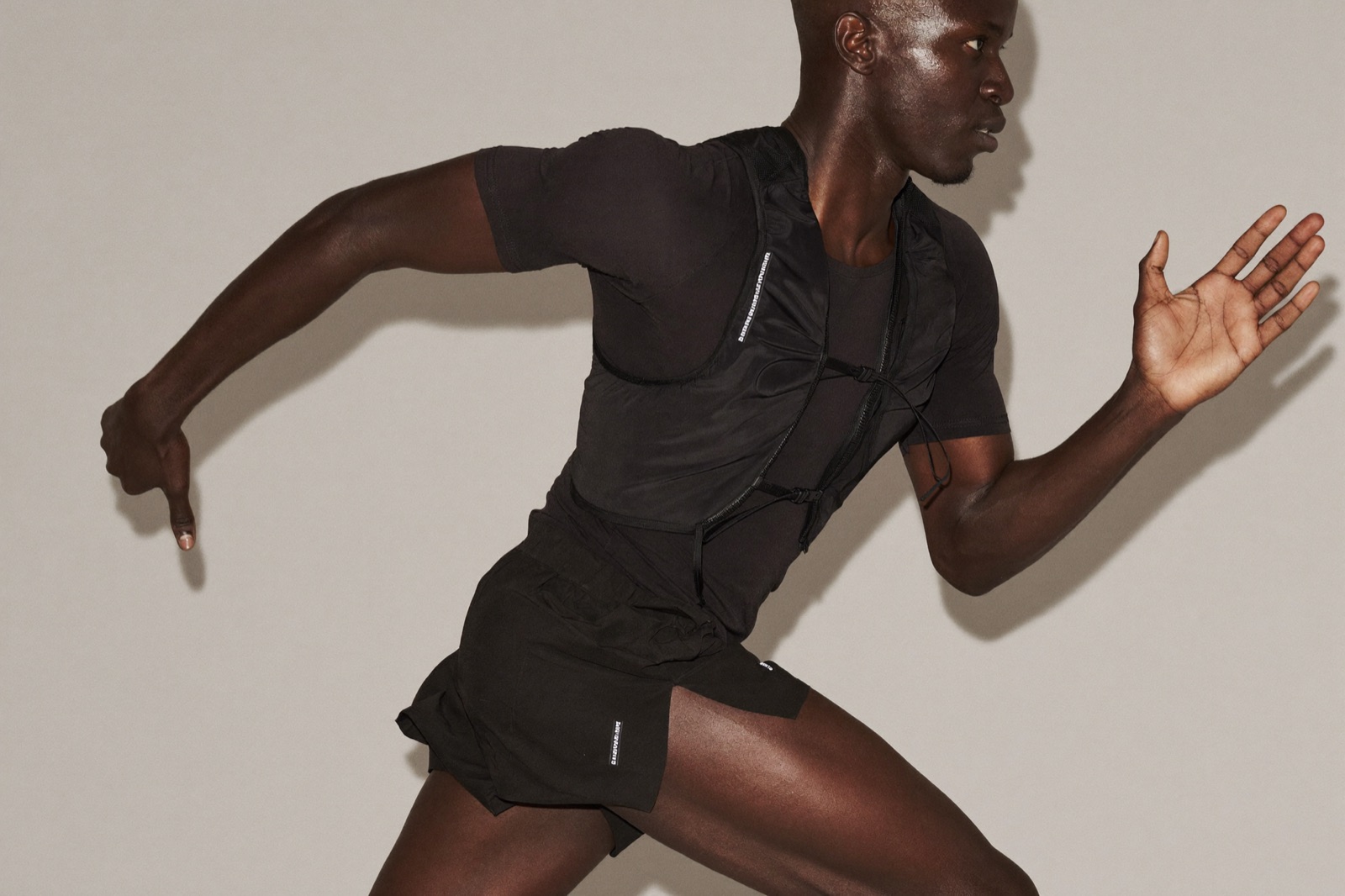
A competitive bodybuilder trains for a stage: extreme muscle size, stripped-back body fat, timed to peak on one specific day, judged against a strict category standard. A fitness model trains for a camera, on any given week, and needs to look consistently good — not once, but every time a client books them. Most fitness and sports modelling clients are not looking for competition-level muscularity at all. They're looking for fit, healthy, relatable bodies of many different shapes: toned rather than extreme, athletic rather than stage-conditioned, and — critically — a face and manner that reads as genuine rather than performed.
Clients don't ask "could this person win a show?" They ask "does this look like someone our customer wants to become?" For most fitness briefs, that's a completely different bar than a competition stage.
A genuine competitive background is a bonus, never a requirement. If you've competed, or you train a specific sport seriously, that's a real credential — it tends to show up as ease of movement and technical competence on set, which clients notice. But plenty of our busiest fitness and sports bookings go to models who have never stood on a stage in their life and simply train consistently, eat well, and show up in condition every time. Male fitness modelling has its own version of this same confusion — worth reading alongside our guide to becoming a male model in the UK if that's the angle you're coming from.
What agencies and clients actually look for
When a fitness or sports application lands on our desk, the extreme physique is rarely what gets someone booked. This is what genuinely moves the needle:
- Condition you can maintain. Not a peak you hit once for photos, but a level of fitness and body composition you can turn up in, reliably, month after month. A client who books you off one flattering photo and gets a different body on set doesn't rebook — and word travels between clients.
- Comfort moving on camera. Fitness work is rarely a static pose. Clients want someone who looks natural mid-lunge, mid-stretch, mid-stride — not stiff, not overly aware of the camera. This is a skill, and it's one of the things a booker is actually assessing.
- A genuine, relatable expression. Gritted-teeth intensity photographs badly for most commercial briefs. Brands want a face that looks like effort feels good — focus, ease, the occasional real smile — because that's what sells the product to a normal customer.
- Honest measurements. Height, chest, waist, and current training condition, stated accurately. Agencies check at the first meeting, and a body that doesn't match the profile is the fastest way to lose a booking and a client's trust in the agency.
- Genuine athletic ability, as a bonus. Real skill in running, weightlifting, yoga, martial arts or a specific sport reads on camera and opens up technique-led briefs that a merely fit-looking model can't cover.
- Reliability. Fitness shoots move fast and cost money by the hour. Bookers remember who turns up on time, in condition, ready to work — and those are the models who get called again.
None of that requires a competition physique, a personal-training qualification, or a professional portfolio. We cover the wider picture of what gets an application through in our guide to what modelling agencies look for.
How much do fitness and sports models earn in the UK
Fitness modelling day rates sit broadly in line with other commercial modelling, sometimes a shade higher for jobs that demand real athletic ability or a longer, more physically demanding day. E-commerce and catalogue days for activewear and sports retail commonly pay £150–£400. Campaign work for sportswear and supplement brands typically pays a base fee of £500–£1,500 for the day, plus a separate usage fee for where and how long the images or footage run — and usage, not the day rate, is usually where the bigger money sits. A national campaign's usage fee can be worth several times the shoot fee itself.
The same honest caveats apply here as to any other category. Agency commission in the UK is typically around 20% — that pays for the agency finding the brief, negotiating the rate and usage, and chasing the invoice once the job's done, not for anything taken from you up front. And the work is irregular, especially in the first year: fitness bookings build as clients rebook you and word spreads through casting directors, they don't switch on like a salary. Nobody should give up a day job off the back of one booking. Our full breakdown of what UK models actually get paid covers how rates and usage work across every category, fitness included.
The work reality: early calls and looking natural mid-movement
Fitness and sports shoots are physically the most demanding modelling work there is, and it's worth being straightforward about that before you apply. Call times are often early — activewear brands like the light of first thing, and outdoor or location shoots build in time for hair, make-up and warm-up before the sun's high. A day can run six, eight, sometimes ten hours, much of it spent actually moving: running on the spot for a stride shot, holding a plank position while lighting is adjusted, repeating the same lunge a dozen times until the fabric falls right in frame.
The skill clients are actually paying for is holding a pose, or looking natural mid-movement, take after take, without your form breaking down or your expression turning to strain. That's harder than it sounds and it's exactly why genuine training experience shows up as an advantage on set — your body already knows how to hold a plank or a stretch cleanly, so the camera gets a natural result instead of a forced one. Between takes, most sets expect you to keep your energy up, stay hydrated, and go again — there's rarely a long break to recover fully before the next set-up.

Building the right digitals for fitness and sports work
Your application photos need to show what a fitness client is actually casting for — condition and movement, not a filtered gym-mirror selfie. Six to ten simple, unedited shots, all in good daylight against a plain background:
- Face front-on and profile. Clear, unfiltered, no sunglasses or heavy make-up.
- Full length, front and side, in fitted activewear. Plain leggings or shorts and a fitted top — clients need to see your actual proportions and condition, not baggy training kit that hides them.
- One genuine action or movement shot. A mid-stretch, a held plank, a running stride, a lifting position you're comfortable and safe holding. This is the shot that tells a fitness client you can move naturally on camera, not just stand still.
- A relaxed, natural smile. Not a performance face — the expression a real customer would trust.
No filters, no flattering angles chosen to disguise anything, no gym lighting designed to exaggerate definition. A booker needs to know what arrives on the actual set, and an honest phone photo in daylight tells us that far better than an edited one. If you've had a professional shoot already, that's a bonus at this stage but never a requirement — your working book gets built through test shoots your agency arranges after you're signed.
How to become a fitness model in the UK: the actual steps
Here's the process from a genuine fitness model agency, start to finish, with nothing to buy:
- Get consistent, then get honest digitals. A body you can maintain matters far more than a peak you hit for one photoshoot. Once your condition is steady, take your six to ten digitals as described above.
- Measure and describe yourself accurately. Height, chest/bust, waist, and a plain description of your current training and condition. Overstating either your physique or your athletic ability shows up fast at the first meeting and costs trust, not just one booking.
- Apply to agencies that actually book fitness and sports work. A dedicated sports or fitness board, not just a general commercial one, is the sign an agency genuinely has these clients. Apply through the agency's official website form — ours is the TDA apply page — and our wider guide to applying to a UK model agency covers the process end to end.
- Expect a straight answer, not a sales pitch. A legitimate agency replies with a yes, a no, or an invitation to meet — free, every time. If a reply asks for a registration fee, a paid photoshoot, or a "portfolio package" before you're signed, that's not an agency. Our guide to spotting a modelling scam in the UK lists the exact warning signs.
- Build from your first bookings. Once signed, your agency arranges test shoots to build your book, submits you for castings that genuinely fit your look and ability, and negotiates every fee. Your side of the deal is staying in condition, staying available, and staying easy to work with. Fitness and sports careers are built on rebookings, the same as every other category.
The mistakes fitness applicants actually make
We read fitness and sports applications regularly, and the same handful of self-inflicted problems come up again and again — every one of them avoidable:
- Peaking for the photos, not for the job. A stage-conditioned physique held for one shoot and not maintained afterwards is worse than a steady, honest one — because the client books the profile, and the profile has to turn up on set.
- Treating it as a bodybuilding application. Sending competition stage shots to a commercial fitness board reads as a mismatch, not a strength. Most fitness and sports clients want relatable, not extreme.
- Over-editing or over-posing the digitals. Flexed, oiled, gym-lit photos don't show a booker what actually arrives on a real set in daylight. Natural condition, honestly photographed, gets taken more seriously.
- Skipping the movement shot. A static, front-on-only application misses the one thing fitness clients actually want reassurance on — that you can look natural while moving, not just while standing still.
- Paying for a portfolio first. Money flows from the client to the agency to you — never the other way at the application stage. Paid "fitness portfolio" packages target this category specifically, because applicants assume the bar is higher than it is.
Fitness and sports model FAQs
Do I need to be a bodybuilder to become a fitness model?
No. A fitness model and a competitive bodybuilder are different jobs. Most fitness and sports modelling clients cast fit, healthy, relatable bodies for activewear, gym brand and lifestyle work — not stage-conditioned physiques. A competitive background is a bonus, never a requirement.
What is a sports model exactly?
A sports model is booked for work connected to sport and athletic wear specifically — sportswear campaigns, sports retail catalogues, athletic footwear, and content for gym or supplement brands built around genuine training ability. It overlaps heavily with fitness modelling but leans further towards clients who want real technique on camera.
Do fitness models get paid more than other models?
Not automatically. Rates are set by the client, the type of work and the usage, the same as any commercial category. Fitness and sports jobs that demand real athletic ability or a physically longer day can sit at the higher end of commercial rates, but there's no blanket "fitness premium".
What body type do fitness modelling agencies look for?
A genuinely varied one. Clients want condition you can maintain and a body that photographs as fit and healthy — toned rather than extreme muscularity in most cases. A fitness model agency casts for many different builds because brands are selling to customers of many different builds.
Do I need to be a personal trainer or have a sports qualification?
No. Genuine training experience or athletic ability helps because it shows on camera as ease of movement, but no qualification is required to apply or to be booked for the vast majority of fitness and sports briefs.
What photos should I send for a fitness modelling application?
Six to ten natural digitals: face front and profile, full length front and side in fitted activewear, one genuine movement or held-pose shot, and a relaxed natural smile — all taken in daylight without filters, heavy make-up or flattering gym lighting.
Is fitness modelling only for young people?
No. The health and wellness market in particular books fitness models across every decade, including 40s, 50s and beyond, because brands increasingly want campaigns that show fitness as something for life, not just for one age group.
How physically demanding is a fitness modelling shoot?
Genuinely demanding. Call times are often early, days can run long, and much of the day is spent actively moving or holding positions through repeated takes rather than standing still between shots. Consistent training makes this noticeably easier to sustain.
Can men and women both work as fitness and sports models?
Yes. Fitness and sports modelling books across genders for activewear, gym brand content, sports retail and lifestyle work. Male applicants sometimes find the physique confusion even sharper — our guide to becoming a male model in the UK is worth reading alongside this one.
Ready to apply?
Here's the whole guide in one paragraph. Fitness and sports modelling covers activewear e-commerce, gym and supplement brands, health and wellness lifestyle work, athleisure, sports retail and some editorial — and almost none of it requires a competitive bodybuilder's physique. What actually gets booked is condition you can maintain, comfort moving naturally on camera, honest measurements, and reliability. The pay follows the same day-rate-plus-usage structure as any other commercial category, and applying costs nothing but ten minutes and a phone.
The Diversity Agency has booked fitness and sports models since 2016, and our Sports board exists because the work exists. Have a look at the board, then send us your digitals through the apply page. If you'd rather ask something first, get in touch — you'll get the same straight answers we've given here.


