How to Become a Petite Model in the UK — TDA London
Blog · Booked
How to Become a Petite Model in the UK — TDA London
This is The Diversity Agency, a London agency founded in 2016 with a working Petite board — real petite models, booked for real jobs, by the same booker writing this. Most of what you’ll read online about petite modelling is either a brush-off (“sorry, models must be 5’8””) or a sales pitch for a portfolio you don’t need. This is neither. It’s the honest version of how to become a petite model in the UK: what “petite” actually means to an agency, where the paid work genuinely is, what it pays, and how to apply without spending a penny.
One thing before we start. We only earn when a client books one of our models, so we have no reason to flatter you and no reason to gatekeep. If you’re 5’2” and photogenic, there is a real market for you in 2026. It just isn’t the market most modelling articles talk about.
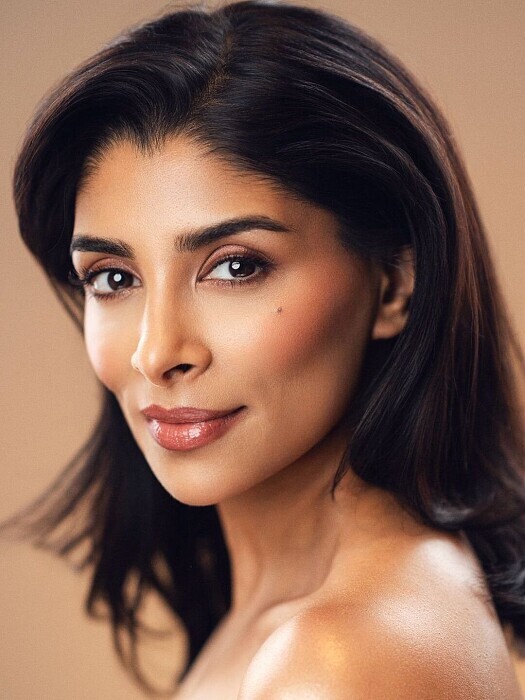
Beauty work is judged from the shoulders up — height never enters the conversation.
What counts as a petite model?
In the UK industry, a petite model is generally a female model under around 5’6” (168 cm). That’s it. There’s no lower cut-off, no certificate, and no committee. If you’re 5’0”, you’re a petite model. If you’re 5’5”, you’re a petite model. The label describes a height bracket, not a lesser category of person.
It’s worth separating two things people mix up. “Petite” in fashion retail describes clothing cut for shorter proportions — the petite ranges at major UK retailers are designed for women 5’3” and under. “Petite” in modelling is broader: it covers everyone below the traditional fashion minimum of about 5’7”–5’8”. Both meanings matter for your career, because that retail petite market is one of the places you’ll actually get booked — more on that below.
Can you really be a model if you’re short?
Yes — and not as a consolation prize. The honest picture: high-fashion runway and editorial work keeps a hard height gate, roughly 5’8” and above, because sample garments are cut to one size and casting directors won’t re-tailor a show for one face. We won’t pretend otherwise, and any agency promising a 5’2” applicant a catwalk career is telling you what you want to hear.
But runway is a sliver of the UK’s paid modelling work. The majority of bookings — the ones that pay invoices month after month — are commercial: e-commerce, beauty, advertising, lifestyle campaigns, product work, social content. Those clients aren’t casting a catwalk. They’re casting a believable person to represent their customer, and their customers come in every height. The average British woman is about 5’3” — which means a petite model often looks more like the customer than a 5’10” fashion model does.
The question clients ask is never “how tall is she?” It’s “does she sell this to our customer?” For most commercial work, height doesn’t enter the brief at all.
So the real answer to “can short girls be models” is: you almost certainly won’t walk for a fashion house, and you can absolutely build paid, repeat modelling work everywhere else. Knowing that from day one puts you ahead of most applicants.
Petite model requirements: what agencies actually look for
Petite model requirements are less about hitting numbers and more about what reads on camera. When a petite application lands on our desk, this is what genuinely moves the needle:
- Proportions over height. Clients booking petite models want balanced proportions that photograph well — how you’re built matters far more than the number on the tape measure.
- A photogenic, expressive face. Beauty and commercial work is carried by the face. Clear skin, good teeth and a face that moves — smiles, reacts, holds a thought — earn more bookings than bone structure.
- Clear, recent, unfiltered photos. Phone snaps in daylight, plain background, minimal make-up. We want the raw you, not your Instagram grid.
- A consistent body. Not a specific size — a maintained one, so the measurements on your profile are the measurements that arrive on set.
- Reliability. Answering emails, arriving on time, taking direction. Bookers remember the models who make their lives easy, and rebook them.
Notice what isn’t on that list: experience, a professional portfolio, a modelling course, or a minimum height. None of those are requirements at a legitimate agency. We cover what the application process looks for in more detail in our guide to what modelling agencies look for.
Where petite models actually get booked
This is the part most petite modelling articles skip, so let’s be specific. These are the markets where UK petite models genuinely earn:
- Petite fashion ranges. Most major British retailers run dedicated petite lines — clothing cut for 5’3” and under. Those garments have to be shot on petite bodies, or the fit looks wrong and returns go up. That’s a structural, repeating demand for petite e-commerce models that taller models literally cannot serve.
- Beauty and hair. Skincare, cosmetics, haircare — shot from the shoulders up. Height is irrelevant; the face is the product’s stage. Petite models with strong beauty looks work constantly in this market.
- Commercial and lifestyle advertising. Brands casting “real people” briefs — families, offices, healthcare, travel, finance — want relatable faces at every height. This is the largest pool of paid work in the country.
- Parts modelling. Hands, feet, jewellery, nails. Judged entirely on the part in question. Several of the UK’s busiest parts models are petite; nobody has ever asked a hand how tall it is. If this interests you, read our guide to hand and feet modelling.
- Social and content work. Brands increasingly book models to appear in their own social content and UGC-style campaigns. Phone-first, personality-led, and completely height-blind.
- Petite fit work. Behind the scenes, petite clothing ranges need fit models — the body the garments are actually sized on. Unglamorous, steady, and paid.
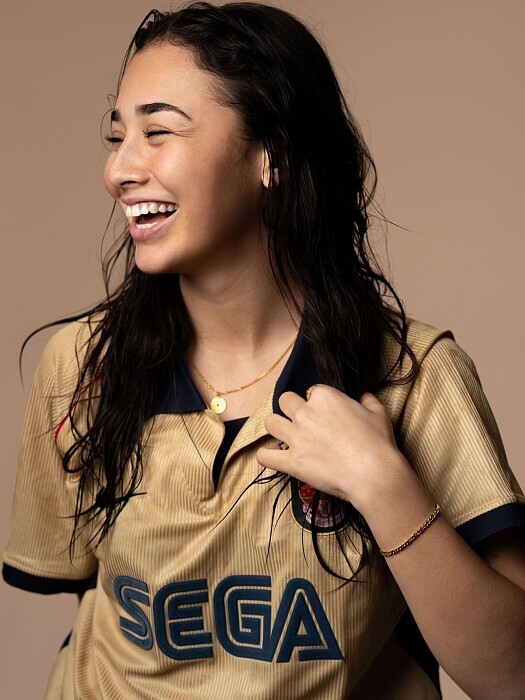
Lifestyle and commercial campaigns cast personality and relatability — the brief is a believable person, not a height.
How much do petite models earn in the UK?
Petite models in the UK earn the same day rates as any other commercial model — there is no “petite discount”. E-commerce and catalogue days commonly pay £150–£400. Commercial advertising shoots typically pay a base fee of £500–£1,500, plus a separate usage fee for where and how long the images run — and usage is where the real money sits. A national campaign’s usage fee can be worth several times the shoot fee itself.
The honest caveats, same as we give every applicant. Agency commission in the UK is typically around 20% — that pays for the agency finding the work, negotiating your rate and usage, and chasing your invoice. And the work is irregular, especially in year one: petite modelling builds up as clients rebook you, it doesn’t switch on like a salary. Nobody should quit their job off the back of a first booking. For the fuller picture on rates, see our breakdown of what UK models actually get paid.
How to become a petite model: the actual steps
Here’s the process, start to finish, with nothing to buy:
- Take your digitals. Six to eight simple photos on a phone: face front-on, face profile, a genuine smile, full length front and side, all in daylight against a plain wall. Fitted plain clothing, minimal make-up, no filters, no sunglasses.
- Measure yourself honestly. Height, bust, waist, hips, dress and shoe size. Agencies check at the first meeting, and exaggerated stats end careers before they start — a client who receives a different body than the profile promised doesn’t rebook the model or trust the agency again.
- Apply to agencies that actually book petite work. This is the step most people get wrong. Applying to high-fashion boards with a 5’8” minimum is a stamped, addressed rejection. Look for agencies with commercial boards, beauty work and — ideally — a dedicated petite division, and apply through their official website form. Ours is the TDA apply page, and our guide to applying to UK agencies walks through the whole thing.
- Expect a straight answer, not a sales pitch. A legitimate agency replies with a yes, a no, or an invitation to meet — free. If the “agency” replies asking for a registration fee, a paid photoshoot or a “portfolio package”, walk away. That’s not an agency, it’s a photography sales business wearing one as a costume. Our guide to spotting modelling scams lists the warning signs.
- Build from your first bookings. Once signed, your agency arranges test shoots to build your book, puts you forward for castings that fit, and negotiates every fee. Your job is the unglamorous half: be available, be punctual, be easy to work with. Petite careers are built on rebookings.
The mistakes petite applicants actually make
We read petite applications every week, and the same handful of self-inflicted wounds come up over and over. Every one of them is avoidable:
- Applying to the wrong boards. Sending a 5’3” application to a high-fashion agency with a published 5’8” minimum isn’t optimism, it’s a guaranteed no — and each rejection chips away at confidence that should have been spent on the right doors. Read the agency’s boards before you apply. If there’s no commercial division and no petite or “real people” presence, move on.
- Rounding up your height. Adding an inch “to be safe” is the single most common lie on applications, and it’s pointless: you will be measured. Worse, it signals to the booker that your other stats might be soft too. Petite is a category we book — there is nothing to hide.
- Over-editing the photos. Filters, skin smoothing and stretched proportions don’t improve an application, they invalidate it. The booker needs to know what arrives on set. An honest phone photo in daylight beats a retouched shoot every time.
- Paying for a “portfolio” first. Money flows from the client to the agency to you — never from you to anyone at the application stage. Paid-portfolio outfits target petite applicants specifically, because they know the fashion gate has already knocked their confidence.
- Giving up after fashion rejections. A no from a runway board is a statement about sample sizes, not about whether you can earn as a model. The applicants who end up on our petite board are usually the ones who understood the difference.
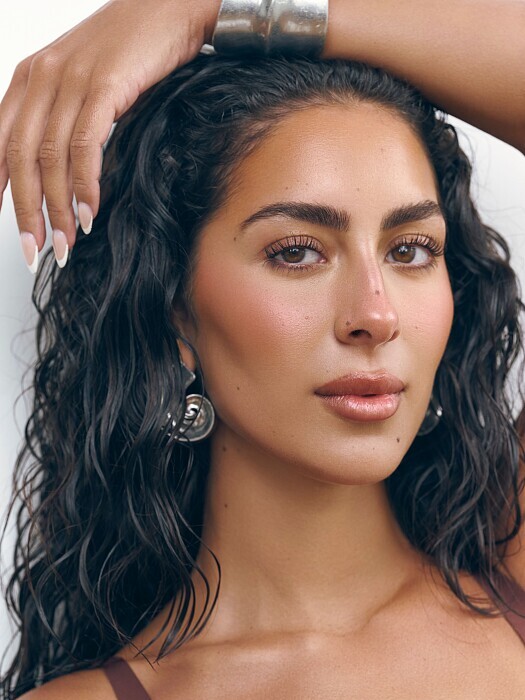
Jewellery, beauty and accessories campaigns are framed close — markets where petite models compete on exactly equal terms.
Petite modelling FAQs
How tall is a petite model?
A petite model is generally under 5’6” (168 cm). Fashion retail’s petite clothing ranges are cut for women around 5’3” and under, and models in that bracket are in particular demand for shooting those ranges.
Can I be a model at 5’2”?
Yes. At 5’2” you’re outside runway and high-fashion editorial briefs, but squarely inside beauty, e-commerce petite ranges, commercial advertising, parts and content work — which together make up most of the paid modelling in the UK. Apply with honest digitals to agencies that book commercial and petite work.
Do petite models get paid less?
No. Day rates are set by the type of work, the client and the usage — not the model’s height. A petite model on a beauty campaign is paid the same rate the brief pays. The difference is which briefs you’re right for, not what they pay.
Is there real demand for petite models in the UK?
Yes, and it’s structural rather than a trend. Petite clothing ranges need petite bodies to shoot and fit them, beauty work is height-blind, and commercial casting has moved hard towards representative, realistic faces. Searches don’t create the demand — the bookings on our petite board do.
Can petite models ever do runway work?
Mainstream fashion week runway, realistically no — sample sizes keep that gate shut. But petite-specific fashion shows, brand showcases, bridal and boutique events do book shorter models, and petite ranges sometimes present on petite bodies precisely because that’s who the clothes are cut for. Treat runway as a rare bonus, not the goal.
What age do petite models need to be?
Agencies sign adults from 18 up, and the commercial market books petite models across every decade — including 40s, 50s and beyond, where authentic-looking campaigns actively want older faces. There’s no expiry date on commercial work.
Do I need a professional portfolio to apply?
No. Phone digitals are the correct application format — every legitimate agency says the same. Paid portfolios before signing are the classic scam entry point. Your book gets built after signing, through test shoots your agency arranges.
Is there petite modelling for men?
The petite label is used almost only for women, but the same logic covers men under the fashion standard of about 5’11”: commercial, e-commerce, beauty grooming, parts and character work all book shorter men. The men’s market runs on the same rule — commercial work casts believable people, not heights.
What photos should I send with a petite modelling application?
Six to eight natural digitals: face front and profile, a smile, full length front and side, taken in daylight against a plain background in fitted clothing, without filters or heavy make-up. Add your honest measurements and location, and you have a complete application.
Ready to apply?
Here’s the whole guide in one paragraph. Petite means under about 5’6”, and it closes one door — runway — while leaving the busiest doors in UK modelling open: beauty, e-commerce and petite ranges, commercial campaigns, parts and content work. The requirements that matter are proportions, a photogenic face, honest digitals and reliability. The pay matches any other commercial model’s. And applying costs nothing but ten minutes and a phone.
The Diversity Agency has booked petite models since 2016, and our petite board exists because the work exists. Have a look at the board, then send us your digitals through the apply page. If you’d rather ask something first, get in touch — you’ll get the same straight answers we’ve given here.

You might like
View all →