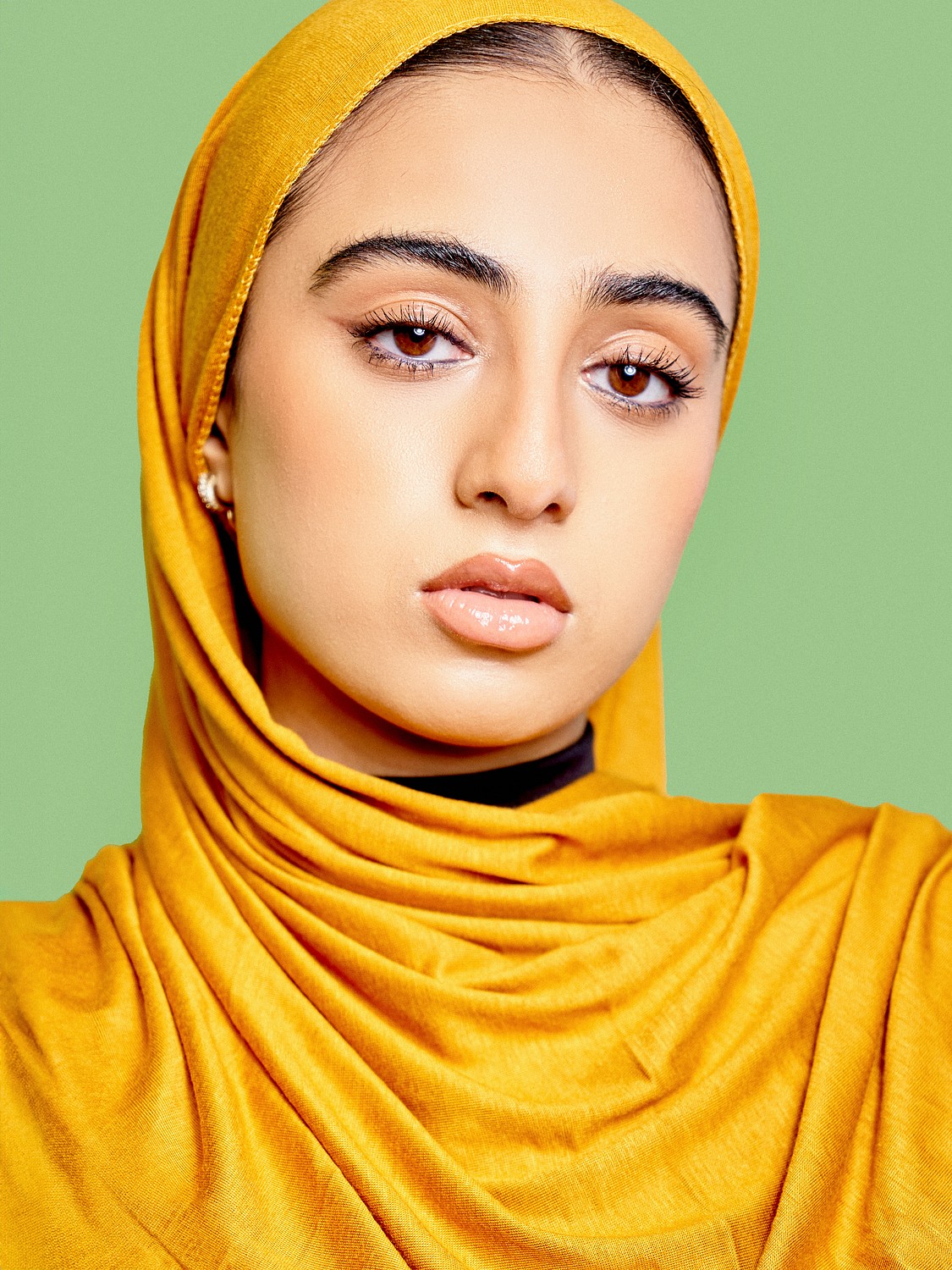
How to Become a Black Model in the UK — TDA London
Blog · Booked
How to Become a Black Model in the UK — TDA London
The Diversity Agency, London. Founded 2016. A working roster of Black and mixed-heritage models — Black British, Caribbean, African, dual-heritage — across UK fashion, beauty, e-commerce and lifestyle casting.
How to become a Black model in the UK
The UK Black modelling industry has been on a long, uneven journey. Naomi Campbell broke through in the 1980s and stayed effectively alone at the top for years. Adwoa Aboah, Leomie Anderson, Anok Yai working with London brands, Edward Enninful's tenure at British Vogue — each of those moments shifted the conversation. But for most of that period, UK agencies cast Black models tokenistically: one face per campaign, lighter skin preferred, hair treated as an afterthought.
That picture has changed materially in the last five years. Brands cast Black models in volume now. Beauty brands carry shade ranges that go properly dark. Casting briefs specifically request Black hair and skin texture rather than treating them as a problem to solve on the day. The infrastructure to match — agencies with real Black rosters, bookers who understand hair and skin protocols, photographers who know how to light a darker skin tone — has been slower to build. The Diversity Agency was founded in 2016 specifically to be part of that build.
This guide is for aspiring Black models in the UK. What the category actually covers, what bookers scan for, what the work pays, the practical things about hair and skin and set conditions that other guides skip, and how to apply.

What "Black model" actually covers in UK casting
"Black" in UK casting briefs is a broad term. It covers Black British, Caribbean, Sub-Saharan African, mixed-heritage, dual-heritage, and Black diaspora models. Some briefs are specific — "dark-skinned Black", "mixed-race", "Caribbean" — most are open. TDA's Black roster includes the full spread.
Worth saying clearly: light-skinned and mixed-heritage Black models have historically been disproportionately booked over dark-skinned Black models in UK fashion. Colourism is a real industry pattern. TDA's Black board is built to push back on that — bookers actively push dark-skinned models onto shortlists where the brief allows, and turn down briefs that quietly request only lighter-skinned options. That doesn't make the problem disappear, but it shifts the casting mix at the margin.
BIPOC (Black, Indigenous, People of Colour) is a wider US-origin umbrella that's getting more use in the UK industry. POC (People of Colour) and "ethnic minority" remain the more common UK terms. For application purposes: describe yourself in the terms that fit you. The booker reads to understand, not to grade vocabulary.
Why the UK Black modelling market is in transition
Five years ago, casting a fashion editorial in the UK with three or four Black models out of ten was unusual. Today it's standard. Beauty brands led the shift — Fenty Beauty's 2017 launch with 40 foundation shades reset what UK beauty brands could get away with. Pat McGrath Labs scaled in the UK with a darker-skin-first approach. Charlotte Tilbury, MAC and Bobbi Brown extended their darker ranges. The brands that wouldn't keep up lost market.
UK fashion followed. British Vogue under Edward Enninful (2017–2024) made Black models cover-regular, and the work has continued under Chioma Nnadi. Bianca Saunders, Wales Bonner, Mowalola and Labrum London built Black-led British fashion houses casting Black models as default. ASOS, Marks & Spencer, John Lewis and Selfridges all expanded the Black presence in their seasonal casting.
The lag is in the agency layer. UK fashion still has a small handful of agencies who'd been building Black rosters seriously since the 2010s, and a longer tail of agencies who added "diversity" sections under pressure after 2020. TDA is one of the former.
The types of work UK Black models book
Beauty
The strongest single category for Black models in the UK right now. Fenty, Pat McGrath Labs, MAC, Charlotte Tilbury, Bobbi Brown, Sephora UK, Cult Beauty and most prestige skincare brands cast Black models specifically for darker-shade ranges, hair products and skincare made for melanated skin. Usage fees on beauty work are strong.
E-commerce
Volume work. UK fashion retailers — ASOS, Boohoo, PrettyLittleThing, Marks & Spencer, Next, John Lewis — shoot hundreds of products a week. Black models are cast across the brief weekly. Day rates are lower than editorial, work books months in advance.
Editorial fashion
Magazine work. UK editions of Vogue, Elle, Harper's Bazaar, Grazia, plus titles like Hunger, Dazed, i-D, Azeema and gal-dem (before closure). Editorial pays less but builds a model's portfolio in a way that pulls higher-tier commercial work later.
Commercial & lifestyle
Telecoms, banking, holiday brands, supermarkets, automotive. Lifestyle briefs in 2026 explicitly want representative casting. Day rates run higher, usage longer.
Music & entertainment
UK music videos, album artwork, artist editorial, festival campaigns. Black models work consistently with Universal, Warner, Sony UK and the major independent labels.
Hair & beauty editorial
A distinct category in UK Black modelling — campaigns for Black-haircare brands (Cantu, Shea Moisture, Olaplex's textured-hair range, Pattern by Tracee Ellis Ross), wigs, weaves and braiding salons. Hair-first castings; the model's hair texture and style is the brief.
Sports & performance
Nike, Adidas, Gymshark, Sweaty Betty all cast Black models for athletic campaigns. The brief looks for body, movement and energy on camera as much as face.

Hair, skin tone, beauty — the practical bits
Three things UK Black models deal with on set that other guides don't mention:
Hair
Many UK shoots still book stylists without textured-hair experience. The result: damage, frustration, lost shooting time, and a model whose hair doesn't sit right on camera. TDA's booker briefs production teams in advance — a stylist with textured-hair credit, a brief on the model's preferred styles (braids, locs, twists, natural afro, weaves, wigs), and an agreed plan for who does what on the day. Models with natural hair should send digitals in their actual day-to-day style range; bookers cast accordingly.
Skin tone matching
Makeup artists who don't carry the right foundation shades for darker skin are still booked on UK sets more often than they should be. The booker pushes for an MUA with shade-range credit when the brief involves makeup. For digitals, send unfiltered, un-edited shots that show your actual skin tone in daylight — bookers and casting directors need to see what your skin does, not what your phone's HDR thinks it should look like.
Lighting
Some photographers — even working ones — still light darker skin the same way they light lighter skin and produce results that flatten the face. This is a craft issue, not the model's problem. TDA tests new signings with photographers who light Black skin properly, and pushes back on briefs where the photographer's body of work suggests they won't deliver.
Measurements and stats — what UK Black agencies want
Same checklist as any board. Specifically for Black applicants:
- Dress size: 6–10 for fashion mainboard, any size for curve, beauty and commercial.
- Height: 5'8" upwards for fashion mainboard, 5'9"+ for runway, anything for beauty and commercial.
- Bust, waist, hips: measured in inches.
- Hair: natural texture, current style, length, and the styles you wear in rotation (e.g. "natural 4C, currently in box braids; also wear bantu knots, twist-outs, and silk press").
- Skin tone: daylight digitals show this best. Don't filter.
- Heritage: Black British, Caribbean, African (state country if you'd like), mixed-heritage (specify), dual-heritage. Bookers brief brands accordingly.
Beyond stats, the casting decision comes down to face, presence on camera, skin, eyes and how the model carries themselves. There is no single Black-model body type.
Skin tone — beyond the "lighter-skinned default"
One of the structural failures of UK fashion has been the over-booking of lighter-skinned and mixed-heritage Black models relative to dark-skinned Black models. The pattern is real and well-documented. TDA's Black roster is intentionally built to push the other way: dark-skinned models, deep-skinned models, models with the full range of melanin the UK Black community actually contains.
For aspiring dark-skinned Black applicants: the demand from brands has caught up. Fenty's 40-shade launch trained the UK beauty market to cast darker. Pat McGrath's brand operates dark-first. Brands like Bianca Saunders and Wales Bonner cast dark-skinned models as default. The work is there. Applications from dark-skinned Black applicants are read with particular interest by TDA's booking team — and the booker has the receipts to push for them on shortlists.
What TDA's bookers scan for in a Black application
Same checklist as any application, with three specific weightings:
1. Skin in unfiltered daylight
The single biggest signal in a Black application. Daylight, plain wall, no filter, no HDR. Bookers need to see what the skin actually does — clarity, evenness, texture, tone. Phone-filter "smoothing" hides everything they need to see.
2. Hair you actually wear
Models who send digitals in a style they don't wear day-to-day get matched against briefs that don't fit their real life. Send your natural texture, your typical protective styles, and any current style you're committed to for the next 4–8 weeks (the casting cycle).
3. Confidence and presence
A Black model who occupies her own frame on camera — eyes up, shoulders open, a clear face read — books seasons of work. The face doesn't have to be smiling; it has to be present.
What gets Black applicants rejected
The mistakes the booking team sees most often:
- Heavy filters and smoothing apps. The single biggest disqualifier. Bookers see filtered submissions in seconds and reject them — the application becomes a guessing game about what the skin actually looks like.
- "Inspirational" overproduced shots. Studio-lit, post-production-heavy submissions from a paid photographer get put aside for unfiltered daylight digitals. Polished doesn't mean booked.
- Hair in a style the applicant doesn't normally wear. A model who only wears braids on shoot day creates a styling problem on every booking.
- Aspirational descriptions. Skip "I've always wanted to be a model" — the booker just needs the digitals, stats and a short note on who you are and what you do day-to-day.
- Application photos taken in poor light. Underexposed shots make it harder for the booker to see the face. Daylight, near a window, plain wall.
Building digitals for a Black application
The four standard shots, with one specific addition:
- Front head-and-shoulders: daylight, plain background, no heavy makeup, neutral expression, hair in your usual current style.
- Side profile: same setup, head turned to one side.
- Full body, front: fitted clothing — vest top, fitted jeans or leggings, simple trainers or bare feet.
- Full body, back: same outfit, facing away from the camera.
- Optional fifth — hair detail: a close-up of your current hairstyle if it's a particular point of strength (long braids, defined locs, full natural afro). Helps the booker pitch you to hair-led briefs.
Phone camera is fine. Plain wall, daylight from a window, no flash, no filter. The booker is looking for the face and the body, not the photography.
If your application photo is lighter or smoother than you actually are, the booker is going to find out at the casting and the model loses a relationship. Send the real thing.
What year one looks like for a signed Black model
Months 1–3 — onboarding and tests. New signings go through TDA's onboarding programme — digitals review, Instagram audit, on-set conduct briefing. Test shoots happen in the first 4–8 weeks with photographers who light Black skin properly. The booker also makes a written hair-and-skin brief for production teams to receive in advance.
Months 3–6 — first castings. Bookers put the new signing on UK beauty castings, e-commerce shortlists and lifestyle briefs. Most Black signings book their first paid job inside this window — beauty in particular tends to move fast for new Black faces.
Months 6–12 — consistency. A signed Black model with reliable availability, professional set conduct, and a growing portfolio becomes a repeat-book for the brands she fits. By month 12, the strongest new signings have a small list of clients — typically beauty brands, modest brands, hair brands or one or two retailers — who request them specifically.
Year one is not glamorous. It's early call times, hair appointments the night before a job, careful skincare maintenance, and a portfolio that builds slowly. The models who turn it into a career are the ones who treat it as a working job.
Why TDA's roster exists
TDA was founded in 2016 because the UK agency landscape was failing entire categories of talent, and Black modelling was one of the loudest examples. Most established UK agencies had Black models on the books as a category note; very few were running Black-centred rosters with the depth, the booker expertise and the brief flow to back it up.
TDA's roster runs Black models alongside the agency's Mainboard, Curve, Modest, Classic, Family, Hands and Feet boards — under one roof, managed by the same booking team. The benefit for Black signings: a booker who's read the application properly, has worked with the photographers who can light Black skin, knows the hair stylists who can handle textured hair, and has the receipts with brands to push for shortlists that actually look like the UK. That's the floor — TDA aims to keep raising it.

How to apply to TDA
The application form is at thediversity.agency/apply. It's the same form for every board. The agency needs:
- Four digital shots (front head-and-shoulders, side profile, full body front, full body back), unfiltered, daylight.
- Optional fifth: hair-detail shot if your current hairstyle is a point of strength.
- Full stats: height, dress size, bust, waist, hips, eye colour, hair (natural texture + current style), shoe size, age, location.
- Heritage in your own words — Black British, Caribbean, African (country if relevant), mixed-heritage, dual-heritage.
- A short note on previous modelling work and Instagram handle.
The booking team reads every application. Responses go out within a week, yes or no.
To see the existing roster first, browse the boards here. For a deeper read on what bookers look for across all categories, the criteria piece is here.
Frequently asked
Will I be cast only for "diversity" briefs?
No. Black models on TDA's roster book across the full brief flow — beauty, e-commerce, editorial, commercial, lifestyle, sports. Briefs that specifically request Black casting are one part of the work, not the whole of it.
Do dark-skinned models earn less than lighter-skinned models?
They shouldn't. Rates are set by usage, brief and exclusivity, not by skin tone. Where colourism affects earnings, it shows up in booking frequency rather than per-booking rate. TDA's job is to push the booking frequency.
How does TDA handle hair on set?
The booker briefs the production team in advance: textured-hair stylist requested, model's preferred styles documented, plan for who does what on the day. Brands that won't accommodate this don't book through TDA.
What if I'm mixed-heritage but identify as Black?
Apply as you identify. The booker reads the heritage note and matches you to briefs accordingly. Mixed-heritage and dual-heritage models are part of the roster.
Are there briefs I should expect to decline?
Yes. Any brief that asks for hair to be straightened or chemically altered against your normal practice, any brief that asks for skin to be lit so that your tone reads lighter, any brief where the production team isn't booked to handle textured hair or darker-skin makeup properly. The booker pushes back first — but the model has the final call.
Do non-fashion brands cast Black models?
Yes — and increasingly. Banks, telecoms, supermarkets, automotive, charity, holiday brands. Lifestyle and commercial briefs in 2026 explicitly want representative casting across UK demographics.
Whatever agency you apply to, send unfiltered photos, your actual hairstyle, real stats, and a clear heritage note. The UK Black modelling industry has more genuine opportunity for new faces in 2026 than it has had in any year prior. Get into the right roster, hold your standards, and the career builds.
You might like
View all →