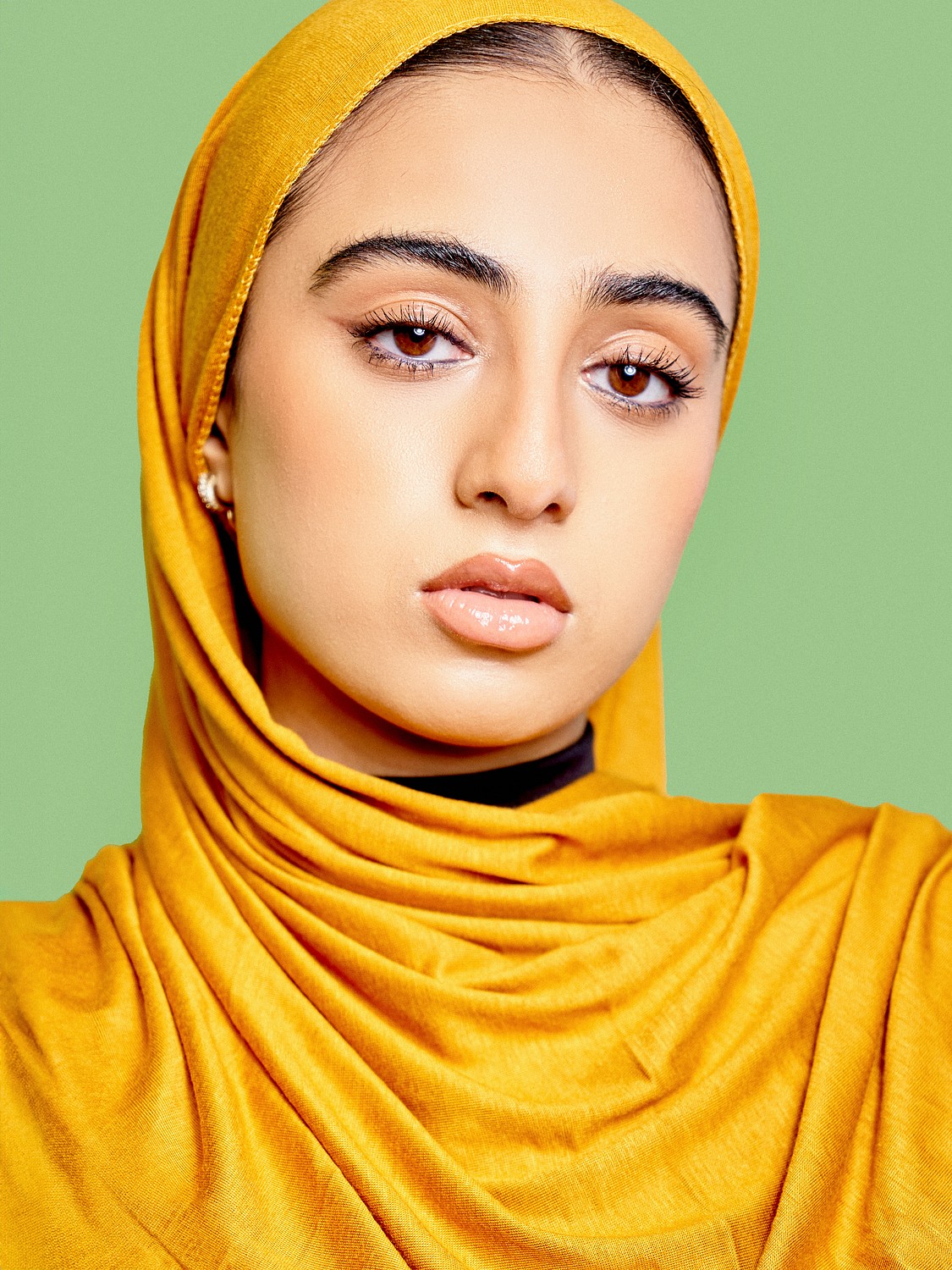
Lingerie Models UK: A Commercial Guide — TDA London
Blog · Booked
Lingerie Models UK: A Commercial Guide — TDA London
- UK lingerie modelling is a serious commercial discipline: high-street e-commerce, campaigns, swimwear and bra-fit. It is not page-three or topless work.
- Lingerie models and glamour models do different jobs. Commercial lingerie shoots are closed-set, contracted, and never require nudity.
- Body diversity is now the casting norm. UK 6 to 22+, every skin tone, every age, men and women, are all booked for branded lingerie work in 2026.
- Pay is structured around a session fee plus usage. Fit modelling is steadier salaried work; campaign work pays more per day but less often.
- Free to apply, commission only. Any UK agency asking for an upfront fee is the wrong agency.
Why lingerie modelling has quietly become a serious commercial lane
UK lingerie models work a market worth around USD 4.28bn and growing about 7.3% a year. Every one of those bras, knickers, slips, shapewear pieces, swimwear ranges and sleepwear sets has to be photographed, shot on video, and fitted on a real body before it ships. That is what lingerie modelling actually is in 2026: branded retail product on a real person, for a high-street audience.
The cultural ground has shifted as well. Brands like Aerie, Bluebella, Curvy Kate, Pour Moi, Boux Avenue and Bravissimo do most of their casting around body diversity now, not against it. When Aerie stopped retouching its lingerie imagery in 2014, sales went up, not down. UK regulators have since taken the same direction of travel, with the ASA reviewing how digital alteration of body images should be handled in advertising.
The implication for anyone considering this work: commercial lingerie is one of the rare commercial categories where casting genuinely wants size range, age range, and ethnic range on screen. Booked diversity outperforms.

What is commercial lingerie modelling?
Commercial lingerie modelling is modelling branded underwear, bras, knickers, shapewear, sleepwear and swimwear for high-street retailers, online lingerie brands and direct-to-consumer labels. The work covers e-commerce flat-day shoots, campaign hero imagery, packaging, social, print, and increasingly short-form video.
It is a commercial discipline, the same way that beauty modelling, e-commerce modelling and bridal modelling are commercial disciplines. The product happens to be intimate apparel. The job is to show the product fitting, moving and looking like itself on a real body, so a customer will buy it. There is no nudity in commercial lingerie work. Models wear the product, sometimes with a swimsuit cover-up or robe between setups, and the set is closed to anyone not involved in the shoot.
That is the entire frame. If a brief asks for anything beyond that, it is no longer a commercial lingerie job.
How does commercial lingerie modelling differ from glamour modelling?
Commercial lingerie modelling is product-driven, closed-set, contracted and clothed; glamour modelling is image-driven, often topless or implied-nude, and aimed at a different audience entirely.
There are real glamour models working in the UK. They shoot for adult publications, lads-style content, calendar work, and boudoir. That market exists, and the models in it do it deliberately. It is not the same job as shooting an M&S bra range or a Pour Moi swimsuit, and the two should not be confused, even though both will use the word "lingerie" in passing.
The Diversity Agency represents commercial lingerie, underwear, swimwear and bra-fit talent. We do not represent glamour models. That is not a judgement on the work, just a difference in the lane. If you are applying as a lingerie model and you want to keep your work strictly commercial, ask any agency you talk to whether they take glamour briefs. The honest ones will tell you. Asking the question early saves a lot of confusion later.
What kind of work do UK lingerie models actually shoot?
UK lingerie models shoot e-commerce, campaign, packaging, social and fit. Most days on set fall into one of five jobs:
- E-commerce flat days. Forty to eighty product shots in a day, against a clean backdrop, for a brand's website. The bread-and-butter work. The brief is fit, finish and pace.
- Campaign. Hero imagery used across paid media and print. Smaller cast, longer setups, far more usage.
- Packaging and POS. The image on the box, the in-store stand. Tight crops, very specific posing.
- Swimwear. Often shot abroad or studio in winter, on-location in summer. Counts as lingerie-adjacent work in casting terms.
- Bra-fit and fit work. Smaller, slower, technical. Trying samples, giving feedback, repeated measurements. Salaried for some retailers.
A working lingerie model in the UK will usually move across all of these. The same booker who casts a Curvy Kate swimwear campaign in May may need a fit model for a high-street label in June and an e-commerce day for a sleepwear brand in July.
Who books lingerie models in the UK?
UK lingerie models are booked by high-street retailers, lingerie specialists, online pureplays, swimwear labels and the agencies who serve them. The casting pool includes Marks & Spencer, John Lewis, Next, Sainsbury's Tu, Asda George, Asos, Boux Avenue, Bravissimo, Curvy Kate, Bluebella, Pour Moi, Figleaves and a steady stream of smaller direct-to-consumer brands.
M&S alone runs a national in-store bra-fit service covering first bras, fuller bust, nursing and post-surgery. That whole service exists because the product range covers hundreds of size combinations, every one of which is tested on a fit model before it goes near a shop floor.
The work is not seasonal in the way runway is. Lingerie ranges drop year-round, with swimwear loaded into early spring and Christmas gifting loaded into autumn.
What does a lingerie model agency look for?
A UK lingerie model agency is looking for accurate measurements, healthy skin, reliable timekeeping and the ability to work on a closed, technical set without losing focus. The list of "nice to haves" is much shorter than aspiring models tend to assume.
For women, the typical commercial range is around 5'4" to 5'9". For curve and plus, height range opens up. For men, 5'11" to 6'2" is common, with a fitter physique for swimwear. Fit models usually need to sit close to a standard sample size (often around UK 8 to 10 for women, 32 inch chest for men, but every retailer has its own block).
Beyond measurements, what gets a lingerie model rebooked is unglamorous: turning up early, hitting a count, knowing how to find a clean line, being respectful of the closed set, and being unbothered by the technical conversations a fitter or designer has around them. The model who is calm and quiet in a fit-room is the model the retailer hires back next quarter.
This is also the part of the industry where casting is now actively diverse. Body type, skin tone, age, faith, hair and gender expression are all in the brief. A lingerie model agency with a real spread across its boards is usually the most useful first call for both models and clients.
How is sizing handled across body type, age and ethnicity?
This is the part of UK lingerie modelling that has moved fastest in the last five years. Sizing is no longer a barrier to entry; it is the casting brief.
Curve and plus is the clearest example. Specialist brands like Curvy Kate, Bravissimo and Pour Moi build their entire ranges in UK 12 to 22+, D to K cup, and they cast accordingly. High-street ranges from M&S, Next and Asos run inclusive size casts almost by default now. The curve board at TDA exists precisely because that work is consistent and growing, not a niche favour.
The same applies to age. Mature lingerie casting (50+) is now a routine line on a brief, particularly for fuller-bust, post-surgery and post-mastectomy ranges. Modest and faith-aware lingerie product, including longline pieces, sleepwear, modest swimwear and bridal lingerie, is shot on models who are comfortable in the lane and dressed appropriately for it. Men's underwear and swim is cast across heights, skin tones and ages, not only on the 22-year-old gym body.
The honest position is this: a casting director booking a 2026 UK lingerie campaign is now expected to deliver a cast that looks like the UK. That is the brief, not an aspiration.
How much do UK lingerie models earn?
UK lingerie models are typically paid a session fee plus a usage or licensing fee. The session fee covers the day; usage covers where, how long and in which territories the brand can run the imagery.
We never promise specific earnings or guaranteed bookings, but the public ranges are public. Photographic day rates for commercial print in the UK tend to land in the £400 to £800 region for e-commerce, with campaign work paying a higher base plus a usage figure that can be a multiple of the day rate, depending on what the brand wants. Swimwear and lingerie campaigns often attract higher usage figures because of how aggressively the imagery is reused and where.
Fit modelling is a steadier number. The reported UK fit-model salary average sits around £26,368, with the range stretching from £14,094 to £49,330 depending on retailer, frequency, and specialism. That is not a campaign-day figure, it is annualised, and it reflects how regular fit work tends to be.
Either way, the structure to look for on a model contract is the same: clear session fee, clear usage, clear territory, clear media. Anything else is a yellow flag.
What about usage rights and licensing in lingerie work?
Lingerie imagery is heavily licensed. A clean buyout for a UK lingerie campaign will define three things: time period (often 6, 12 or 24 months), territory (UK, Europe, worldwide), and media (print, digital, in-store, social, outdoor). Each of those expands the fee.
Why this matters more for lingerie than for, say, knitwear: intimate imagery follows the model around. A 24-month worldwide buyout on a swimwear or lingerie shot is meaningful in a way that the same buyout on a winter coat is not. UK agencies negotiate accordingly, and any reputable agency will keep the model informed about exactly what has been bought and how long it runs.
Consent on intimate imagery is also explicit. Modern UK contracts will name the specific garments shot, the body areas shown, the deliverables, and the right to refuse new uses after the fact. If a contract is vague on any of that, it gets fixed before the shoot, not after.
What are the ASA rules around lingerie advertising in the UK?
The UK Advertising Standards Authority allows partial nudity in lingerie and swimwear advertising only where it is relevant to the product. Gratuitous nudity, sexualisation, or objectification is not permitted, and outdoor placement is restricted around schools.
The ASA's own guidance is direct on this. Some partial nudity in ads for lingerie, swimwear or beauty is acceptable "as this would be relevant to the product being advertised". That does not extend to gratuitous or sexually explicit imagery. The ASA's separate position on objectification makes clear that content which presents people as sexual objects will fall foul of the rules, and that sexually suggestive material should not appear within 100 metres of a school.
The regulator has also tightened recent guidance on sexualised imagery in fashion advertising specifically. In practice this means that the briefs handed to UK lingerie models are now noticeably more product-led and less suggestive than they were ten years ago. That suits the work.
What is bra-fit modelling and how does it work?
Bra-fit modelling is a specialist arm of lingerie modelling where the model wears samples from a brand's development range, gives detailed feedback to designers and pattern cutters, and helps the brand grade a style across sizes before it goes to manufacture.
Fit work is technical. A fit model is usually selected because she sits exactly on a brand's chosen sample size, often around 34B or 32D for women's bras, with consistent under-bust and over-bust measurements that hold steady over months. Sessions are quiet, slow, repetitive, and important. Comments are specific: the gore lifts, the strap drops, the wire bites here, the back rides. The designer adjusts and goes again.
Some retailers run fit on a contract basis, with a set number of sessions a month at a fixed fee. Bravissimo, Curvy Kate, M&S and several of the high-street ranges all run dedicated fit programmes. For the right model, fit modelling can be a more reliable income than photographic work, because the bookings are regular and the relationship with the brand is long.
How do you stay safe on a UK lingerie shoot?
Closed set is the default. Anyone not involved in the shoot, including non-essential agency or brand staff, leaves the room. A robe or cover-up is on hand between setups. The model has a chaperone if she has asked for one, and the right to ask for one is built into a real contract.
What the model wears is named in advance. Garment swaps mid-shoot get checked. There is no pressure to do anything outside the brief, and any attempt to push that line ends the shoot. That is the ground.
A few signals that an agency or job is not safe: an upfront fee to join the agency, a vague client list, contracts that arrive after the shoot, a brief that drifts toward "implied" or "topless" without warning, or a casting that asks for full nudity test shots at the application stage. Real commercial lingerie work does not need any of those things. The Diversity Agency is free to apply, commission only, and we do not ask any model for money to be on the books.
The right to refuse is non-negotiable. A model who turns down a setup that goes outside what was agreed is doing the right thing, not the difficult thing.
How to become a lingerie model in the UK
The actual path is short and unglamorous. There is no academy, no audition season, no upfront course to pay for. The work is six steps:
- Get clean digitals. Natural light, no make-up, hair down, one front, one side, one back. Plain wall. Underwear is fine for the shots, it does not need to be branded.
- Take honest measurements. Bust, under-bust, waist, hips, height, weight, dress size, bra size. Write them down. Do not round.
- Apply to a real, commission-based agency. A UK model application at a real agency is free. There is no fee to be on the books at TDA. If an agency asks for money to join, that is the wrong agency.
- Be specific about the lane. Tell the agency you are interested in commercial lingerie, underwear, swimwear or bra-fit. Tell them what you will and will not do.
- Decide your boundaries before, not during. Topless, robe-on, swimwear only, no swimwear, robe between every setup, chaperone on every job: pick the ones that apply to you and have them written down.
- Be patient with the first six months. Commercial casting is slow at the start. The first three jobs are usually the hardest to land. After that the work compounds.
Lingerie modelling FAQ
Do you need to be a specific height to be a lingerie model in the UK?
No. Commercial lingerie in the UK is cast far more on fit, body, skin and presence than on height. Women working in this lane sit broadly between 5'4" and 5'9", but the curve and plus boards run wider. Men sit 5'11" to 6'2" for most underwear and swim casting.
What size do you need to be?
There is no single size. Mainstream high-street ranges cast across UK 6 to 22+, and specialist brands do D to K cup as standard. The brief drives the size.
Can you do lingerie modelling without doing topless?
Yes. Commercial lingerie modelling does not include topless work. If a brief moves into topless, implied nude or "boudoir" territory, that is glamour or adult work, and you can decline it without losing your place on a commercial agency's books.
How old do you need to be?
Eighteen. UK lingerie casting is 18+ across every reputable agency. There is no shortage of work in the mature 35 to 60+ lane, particularly for fuller-bust and post-mastectomy ranges.
Do lingerie models need to do glamour work?
No. Lingerie and glamour are different categories. Commercial agencies, including TDA, can represent lingerie models without ever sending them on a glamour brief. Many models work strictly commercial across their whole career.
How much does it cost to join a lingerie model agency?
Nothing. Joining a real UK agency is free. The agency earns commission on bookings, not from the model. Any UK agency asking for an upfront sign-up fee, "portfolio package" or paid course is not a reputable commission-based agency.
Will I have to do swimwear too?
Often, yes, if you say yes. Most commercial lingerie models also shoot swimwear, because the casting overlaps and the brands often overlap. If you do not want to shoot swimwear, that goes on file and the agency briefs around it.
Booking diverse lingerie casts
For brands and casting directors booking a UK lingerie shoot, the practical question is whether one agency can cover the whole brief: high-street women's, curve, classic, men, modest, mature, and bra-fit. TDA is built to cover that brief from one roster. You can book a cast directly through the contact page.
For models considering this lane, the path is the same as the rest of commercial modelling in the UK: clean digitals, honest measurements, a real commission-based agency, and clarity about what you will and will not do on set. The Diversity Agency is free to apply, and the work is there.