Modelling Jobs in the UK: How to Get Them — TDA London
Blog · Booked
Modelling Jobs in the UK: How to Get Them — TDA London
The Diversity Agency, London. Founded 2016. An independent UK model agency representing around 330 commercial and diverse models across women's, men's, curve, classic, modest, family and parts. This is the booker's-desk guide to modelling jobs in the UK — what the work really is, what it pays, and how to get it.

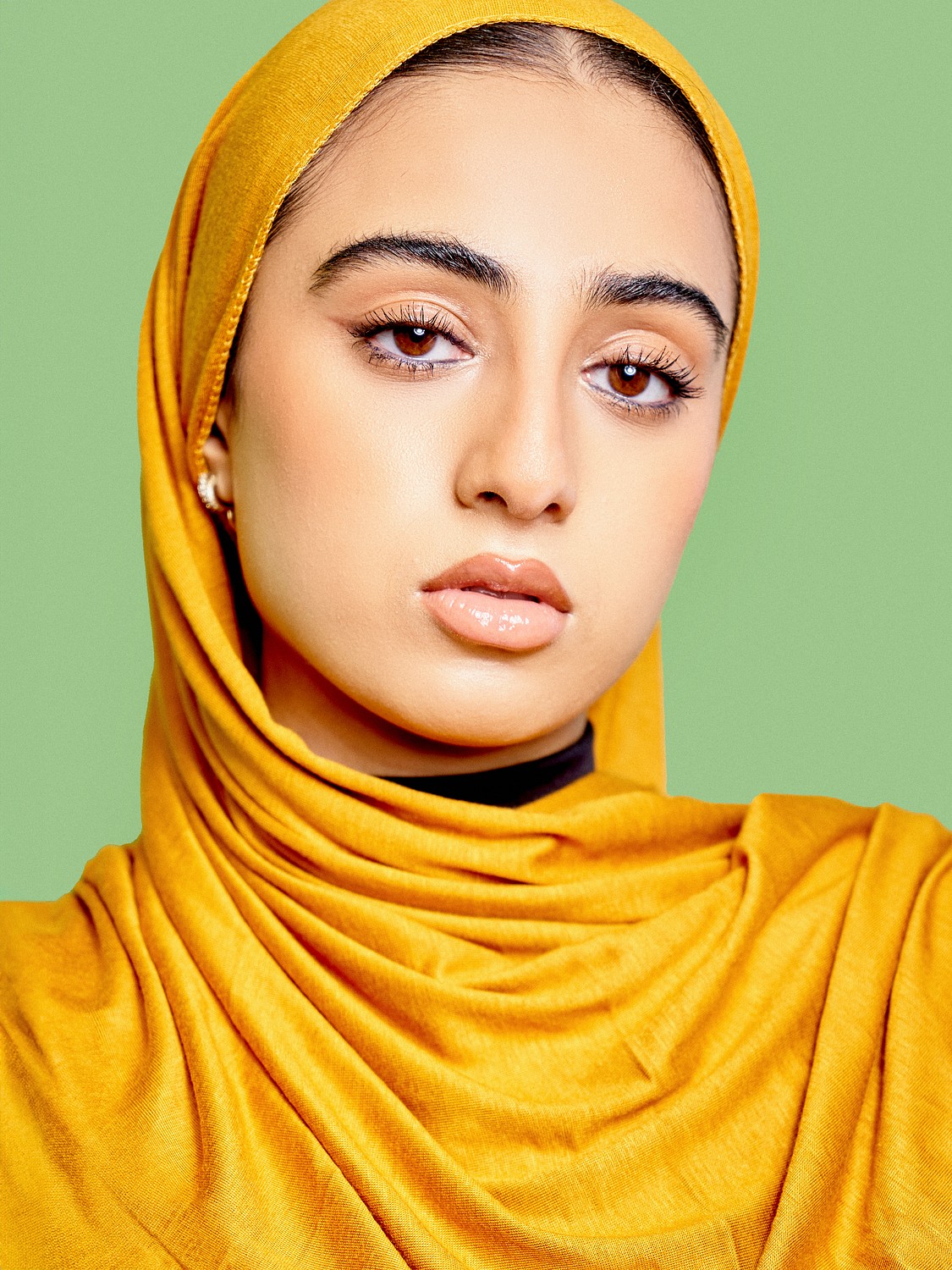
Most paid modelling work in the UK is commercial and e-commerce — studio shoots like this, not the runway.
The short version
- Modelling jobs in the UK are paid bookings: e-commerce, commercial, catalogue, fashion, fitting, promotional, parts (hand and foot), UGC, music video and TV.
- Most paid work in the UK is commercial and e-com, not Fashion Week. Day rates run roughly £150 to £300 for e-com and £500 to £1,500+ for a commercial campaign, with usage on top.
- You don't need prior experience. A real (commission-only) UK agency signs new faces and builds the experience for you — and never charges you upfront.
- Jobs come in through agencies: a brand briefs the agent, the agent submits, the client picks, you get booked. There is no public job board for real modelling work in the UK.
- Under-18s can work legally in the UK with a local authority licence and chaperone. Adults work direct through agencies. Both should avoid any "agency" demanding a sign-up fee.
Modelling jobs in the UK aren't what most people picture. The mental image is the runway, a magazine cover, the supermodel. The reality, for the people actually working most weeks, is an e-commerce shoot in a Hackney studio, a catalogue day for a high street brand, a fitting in a showroom, a hand-modelling job for a watch, a commercial for a banking app, a beauty campaign, an occasionwear lookbook, a UGC clip for a DTC brand.
There is real, paid, professional work in this country for every kind of face and body. There is also a lot of noise: fake "agencies" charging £400 to "sign" you, Instagram DMs offering "casting opportunities", scam ads selling "courses" before you can audition. This post lays out, plainly, what a modelling job actually is in the UK in 2026, who books them, how they pay, how to get them, and what to avoid.
What counts as a modelling job in the UK?
A modelling job is any paid booking where you (or your body part) appear in a brand's images, video, or live presentation. It can be a stills shoot, a video shoot, a fitting where the brand uses your body to sample garments, a live event where you wear or carry a brand, or a parts shoot where only your hands or feet appear.
If you're paid for your image or your physical presence on behalf of a client, that's a modelling job. Influencer work, content creation for your own channel, and friend-of-the-photographer test shoots are not. They're something else. The line is "paid by a client, booked through an agent, for use in marketing or production".
The real types of modelling jobs (and who books them)
There are nine categories that account for almost every paid booking in the UK.
E-commerce
Studio stills (and increasingly short video) for online product pages. Day rates are flat, no usage. The model who shoots 80 pieces of knitwear on a grey background for an online retailer is doing e-commerce. This is the highest-volume work in the UK by a wide margin.
Catalogue
Stills shot for a brand's seasonal catalogue or lookbook, used in stores or on a brand-owned channel. Similar to e-com, slightly more styled.
Commercial (campaign / advertising)
A brand campaign across stills, video, OOH (out-of-home posters), social and paid digital. The shoot is one day. The usage fee covers where it runs, for how long, and where in the world. The biggest category by money paid per day.
Fashion (lookbook and editorial)
Brand lookbooks, magazine editorial, designer campaigns. Often shot in London for high street brands and DTC labels. Fashion Week itself is a tiny fraction of the work most working models do.
Fitting and showroom
Garment fittings (your body is the dummy designers shape clothes on) and showroom modelling (you wear the collection while buyers view it). Regular, steady, well-paid in the right showroom, and a useful income stream for working models.
Promotional and brand ambassador
Live brand activations, trade shows, retail events. Sometimes called "promo" work. Still real modelling jobs but more performance-led: you're representing the brand to the public in person.
Parts (hand and foot)
Brands shooting watches, jewellery, nails, skincare, shoes, hosiery and tights book parts models specifically for hands or feet. A surprisingly steady niche, and a board TDA built out deliberately.
UGC (user-generated content)
A newer category, growing fast. Brands book models to film natural-looking phone footage demonstrating a product, then licence it for paid social. Shorter sessions, often filmed by you, sometimes from home.
TV, film and music video
Background and featured work, music promos, commercials for broadcast. Often booked through the agency rather than via traditional casting platforms, especially for diverse and commercial casting.

Commercial campaigns pay the best day rate — and brands book a genuine range of faces.
How much do modelling jobs pay in the UK?
The honest answer: it depends on the category, the client, the usage and the negotiation. A high street e-com day in London is roughly £150 to £300. A commercial stills day for a national campaign can be £500 to £1,000+ with usage on top, sometimes far more. Fashion lookbooks vary hugely. Fitting work pays steady, hourly or per-fit. Parts work pays close to commercial rates for the right brand.
For full real-world UK day rates by category, see our model earnings guide.
The UK performers' union Equity sets recommended minimums for some union work and publishes guidance on usage and conditions, which agencies negotiate around. Most paid commercial modelling in the UK sits above those minimums, but the structure (day rate plus usage) mirrors the performer-contract model.
What you should not believe: any "guaranteed earnings" claim from an "agency" or course. Real agencies don't promise money. They book you when there's work for you.
Can you get modelling jobs with no experience?
Yes. This is the part the industry's noise distorts the most.
You do not need to have modelled before to be signed by a real UK agency. You do not need a "portfolio you build yourself". You do not need a "casting reel". You do not need to pay for a course. A commission-only agency signs you because of how you look and what you can be booked for. They then take new digitals (basic, clean phone-shot photos), brief you, and put you up for the jobs you suit.
The experience is built in your first six to twelve months on books. The first job is often a fitting, a small e-com day or a UGC piece. You learn how a shoot runs by being on shoots.
The catch is the word "real". A real agency does not charge you to be signed. If anything more than your travel costs leaves your bank account before you've earned anything, that isn't how UK modelling works. That is the scam.
How do modelling jobs actually come in?
The path is almost always the same. A brand or production company has a job (shoot, campaign, fitting, event). They brief their agency contacts directly, or post the brief on an industry casting platform (an e-cast). The agency selects models from its roster who match the brief and submits them with images and rates. The client picks. The agency confirms the booking with the model, sends the call sheet, negotiates the fee and usage, invoices the client and pays the model after the client pays.
There are three flavours of this:
- Direct booking: the client knows who they want, the agency confirms the date and fee. No casting.
- E-casting: the client reviews a longer shortlist of digitals or short video before picking.
- In-person casting: rarer at the commercial end, more common in fashion and TV.
You will also see the word "option". That's a soft hold on a date while the client decides. Options don't pay; bookings do.
Importantly, this is all run agency-to-client. There is no public job board for real paid commercial modelling work in the UK. If a website claims to list "modelling jobs you can apply to directly", it is either selling you membership or routing you to scams.

Hair and make-up is part of the working day on most bookings.
Where do you find paid modelling jobs near you?
If you're searching "paid modelling jobs near me", the realistic answer is: you don't find the jobs, you find the agency. The agency finds the jobs.
Look here:
- Established UK commission-only agencies. Their websites have an apply page. Free. No fee to be considered, no fee to be signed.
- The agency's category boards. Look at who is actually on them. That's the rough shape of who they sign.
- Direct apply links. TDA's is /apply; other UK agencies have similar pages.
Don't look here:
- Anyone asking for an upfront fee to "register", "join", or "feature you on the platform".
- DMs from strangers offering "casting opportunities" via WhatsApp.
- "Modelling courses" that gate the job hunt behind a £300+ class.
- "Talent platforms" that charge models to be visible.
In UK commercial modelling, the model never pays first. That's the whole rule.
Modelling jobs in London vs the rest of the UK
London concentrates the work. The biggest brands, most agencies, and most production are based there or shoot there. If you live in London (or can travel easily), you'll be available for more jobs.
But London isn't the only paid market. Manchester has a strong commercial and e-com base. Birmingham, Leeds, Glasgow and Cardiff have regular commercial and TV work. Bristol and Brighton both shoot meaningful e-com and lifestyle. Many UK agencies represent models across the country and pay travel for shoots.
If you're outside London, you'll do well to:
- Apply to a London agency that genuinely books regional shoots, not just London-only.
- Be honest about travel availability on your application.
- Keep digitals current. E-cast briefs are won on look, not location.
Fashion modelling jobs in London: what they actually look like
A "fashion modelling job" in London in 2026, for the vast majority of working models, is not London Fashion Week. It's a brand lookbook for a high street or DTC label, a campaign for a designer launch, a press-day fitting, occasionwear and bridal stills for an online retailer, or hair and beauty fashion work.
The Fashion Week numbers are tiny. Most of the work that pays the rent for fashion-leaning models is brand stills and video. That isn't a downgrade; it's where the budget actually sits.
This matters when picking the right agency. Houses focused on editorial-only careers (the London "Fashion Houses") sign a small number of new faces a year, mostly under 5'9" size 6 for women and very narrow for men. Commercial and diverse agencies sign for the full range of working bodies the high street and digital brands actually book.
Are there modelling jobs for teens and under-18s?
Yes, and they are legal in the UK, regulated, and absolutely require an agency that knows the rules.
The direct answer: anyone under school-leaving age (in England and Wales, the end of Year 11) needs a child performance licence from their local authority for every paid job, plus a registered chaperone on set, written parental consent, regulated hours, and a learning provision if the shoot falls during school time.
What this means in practice:
- Real agencies won't book a child without the licence in place.
- Parents and guardians manage every interaction. Casting communication goes through them.
- Photos sent in an application should be recent, clear, plain-clothed (no swimwear, no makeup, no styling). Agencies want to see the child, not a styled image.
- Never send photos directly to a stranger or a "talent scout" who messaged your child. Apply through the agency's apply page only.
TDA represents under-18s on its Family and New Faces boards. The process to apply is the same as for adults, with parental consent.
How do you actually get modelling jobs?
The order matters. Skip a step and you waste months.
- Honest self-assessment. Look at the boards of three commercial UK agencies. Where do you actually fit? Curve, classic, men's commercial, parts, modest, family. There is a category for almost everyone. Pick the closest match.
- Take clean digitals at home. Plain top, natural light, hair off the face, no makeup, no filters. Two body shots, two head shots. That's it. Real agencies do not need a styled portfolio at this stage; they need to see you.
- Apply through the agency's apply page. Free. Just the photos, basic measurements, your contact. Apply to two or three real agencies, not twenty. Read our how to apply guide for what each agency wants to see.
- If interested, the agency invites you to a meeting (in person or video). They explain the contract (commission-only, non-exclusive or exclusive), board placement, and next steps.
- You sign. The agency builds your profile, takes new digitals if needed, sets your rates, and starts submitting you for briefs.
- Briefs come in. You're submitted. Some you book, most you don't. The hit rate is normal: new faces book one in many. The work compounds across the first year.
For the longer walk-through, see how to become a model in the UK.
Frequently asked
Can I get modelling jobs in the UK without an agency?
Technically yes, mostly no. Some experienced models work direct with repeat clients. Almost no brand will book an unrepresented model from a cold message at the rates a working model needs. The agency exists because brands need protection (contracts, insurance, usage rights, payment terms) and models need representation (rate negotiation, booking management, invoicing). Cutting out the agency means cutting out the protection on both sides.
Are paid modelling jobs near me real?
The paid jobs are real. The "near me" listing sites usually aren't. Real paid commercial modelling work in the UK is briefed agency-to-client, not posted on a public board. If you're searching the phrase, you're searching for an agency in your region, not a job ad.
What's the difference between a casting and a job?
A casting is the selection step (often e-cast, sometimes in person). The job is the paid booking afterwards. Castings don't usually pay; jobs do.
Do I need to be a certain height for modelling jobs?
For commercial, e-com, parts, family, modest, and most working categories: no fixed height bar. For high-fashion editorial: yes, very narrow. The whole reason agencies like TDA exist is that the height and size bar elsewhere shut a huge proportion of the working population out of the work brands now actively want.
How quickly will I get modelling jobs after signing?
Anywhere from a fortnight to nine months for the first booking. Most new faces book their first job in the first three months if their board fits live briefs. Steady working rhythm typically builds across months six to twelve.
Are there modelling jobs for older models, curve models, and parts models in the UK?
Yes, all three. Older (classic, "mature") models book a steady stream of e-com, commercial and TV work, especially in beauty, banking and lifestyle. Curve models are now mainstream commercial casting. Parts models work for jewellery, watches, beauty, footwear and hosiery brands all year. These boards exist because brands ask for them.
If you're a new face who wants real, paid modelling jobs in the UK, the next step is the apply page. Free, three minutes, photos and basic measurements. TDA reviews every application. Apply at /apply.
Related reading: How to become a model in the UK · How much do UK models get paid? · How to apply to a UK modelling agency.
You might like
View all →